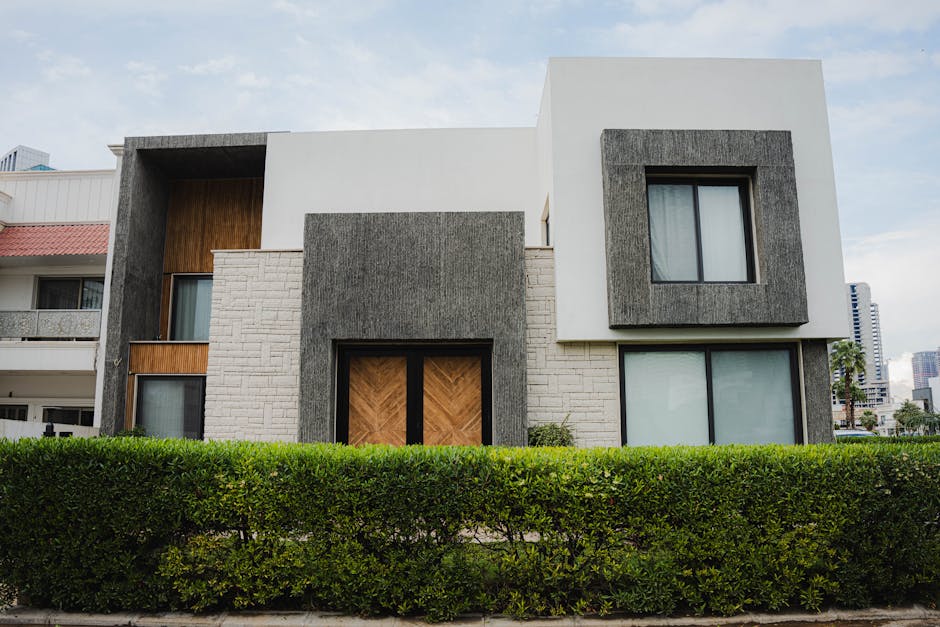
Picking the perfect white paint is tougher than it looks. You’re not just choosing ‘white’; you’re deciding on undertones, light reflection, and how it plays with your existing furniture and natural light. For most homes seeking that signature warm, inviting Joanna Gaines aesthetic, I recommend starting with Magnolia Home by Joanna Gaines’ Silos White. It’s a versatile, livable white that works in almost any space.
The Best Overall Joanna Gaines White for Most Homes
Hands down, Silos White is the most forgiving and universally loved white from the Magnolia Home collection. It strikes a beautiful balance, leaning slightly warm without ever appearing yellow or dingy. This makes it an excellent default for open-concept homes or when you need a consistent white that won’t clash with varying light exposures.
Why Silos White Wins
Silos White has a Light Reflectance Value (LRV) of 83. It’s bright enough to make a room feel expansive and fresh, but its subtle warm undertone of greige (gray-beige) prevents it from feeling stark or cold. This warmth is crucial for achieving that inviting, layered look Gaines is famous for. It plays well with natural wood tones, antique furnishings, and a variety of fabric textures. Unlike some very crisp whites that can feel institutional, Silos White brings a soft glow.
Its versatility means less stress when choosing trim colors. You can pair it with a slightly brighter white for trim, like Sherwin-Williams Pure White, or use Silos White on both walls and trim for a seamless, cozy feel. Expect to pay around $50-60 per gallon for Magnolia Home paint, available through Sherwin-Williams.
Ideal Rooms and Lighting
Silos White truly shines in living rooms, bedrooms, and hallways. In south-facing rooms with abundant natural light, its subtle warmth prevents it from becoming overly bright or glaring. In north-facing rooms, where light is cooler and often grayer, Silos White introduces a much-needed softness, countering the cool tones without looking yellow. It’s also a fantastic choice for kitchens, providing a clean backdrop that complements both warm and cool-toned cabinetry.
Demystifying White Paint Undertones

You can’t talk about white paint without understanding undertones. These subtle colors hidden within the white dictate how it appears in your home. Get this wrong, and your walls might look unexpectedly blue, pink, or green. Learning to spot them is critical for making the right choice.
The Blue/Gray Spectrum
Whites with blue or gray undertones are often called “cool whites.” These whites tend to make a space feel crisp, clean, and modern. Think of a bright winter morning. While beautiful, too much blue or gray can make a room feel cold or unwelcoming, especially in spaces with northern exposure or minimal natural light. Examples outside of Gaines’ line include Sherwin-Williams Extra White. They pair well with blues, greens, and true grays, creating a sophisticated palette. If your home has a lot of cool-toned elements like concrete, stainless steel, or specific tile, a cool white might be a natural fit, but always test it first.
The Yellow/Warm Spectrum
On the other side are “warm whites” with yellow, red, or beige undertones. These whites bring coziness and comfort to a space, evoking sunlight or a creamy latte. They’re excellent for softening harsh light and making a room feel more inviting. However, if a warm white leans too yellow, it can sometimes appear dingy or dated, especially in rooms with already warm artificial lighting. Warm whites complement natural wood, brown leather, and earth tones beautifully. They are often favored in traditional or farmhouse-style homes, as they provide a gentle backdrop that feels lived-in and welcoming.
Testing Undertones in Your Space
The only way to truly understand a white paint’s undertone in your home is to test large samples. Paint 2×2 foot swatches on at least two different walls in the room you intend to paint. Observe them throughout the day, under different lighting conditions—morning, afternoon, and evening with artificial lights on. Don’t rely on tiny paint chips, as the surrounding white of the chip can trick your eye. You can purchase peel-and-stick samples, often 12×12 inches, for about $5-10 each from various online retailers or paint stores. These are invaluable for seeing the true color without committing to a full can.
Magnolia Home’s Top White Paint Colors: A Quick Breakdown
Joanna Gaines offers several white and off-white options within her Magnolia Home paint line, all designed to create a sense of calm and classic beauty. Here’s a closer look at some of the most popular choices beyond Silos White, providing specific contexts where each might be the perfect fit.
- Silos White: As discussed, this is the most balanced warm white. LRV around 83. It has a subtle greige undertone that makes it incredibly versatile, never too stark, never too yellow. It’s ideal for open floor plans, living rooms, and bedrooms where you want a soft, inviting atmosphere. Its slight depth allows it to hold its own against bright light without washing out.
- Shiplap: This white is a true fan favorite for its creamy, vintage feel. LRV around 80. Shiplap possesses a definite warm, almost off-white character with prominent yellow-beige undertones. It’s perfect for creating a cozy, old-world charm, especially when paired with natural wood and antique finishes. Use it in rooms where you want significant warmth, like a farmhouse kitchen or a rustic dining area. Be mindful that in rooms with little natural light, it can appear more yellow.
- One Horn White: A brighter, cleaner white than Shiplap, but still with a soft warmth. LRV around 85. One Horn White has very subtle beige undertones, making it a good choice if Silos White feels just a touch too warm for your preference, but you still want to avoid anything stark. It’s excellent for trim, ceilings, and walls where you desire a crisp yet friendly look. It provides a beautiful backdrop for art and colorful decor without competing.
- True White: This is Magnolia Home’s purest white. LRV around 88. True White is a bright, clean white with minimal discernible undertones. It’s the go-to if you want a genuinely crisp, modern white that still feels connected to the Gaines aesthetic without any obvious creaminess. It’s perfect for ceilings, trim, or contemporary spaces where you want maximum brightness and a stark contrast with other colors. It can feel cold in north-facing rooms, so test carefully.
Comparing Joanna Gaines Whites: LRV, Undertone, and Price
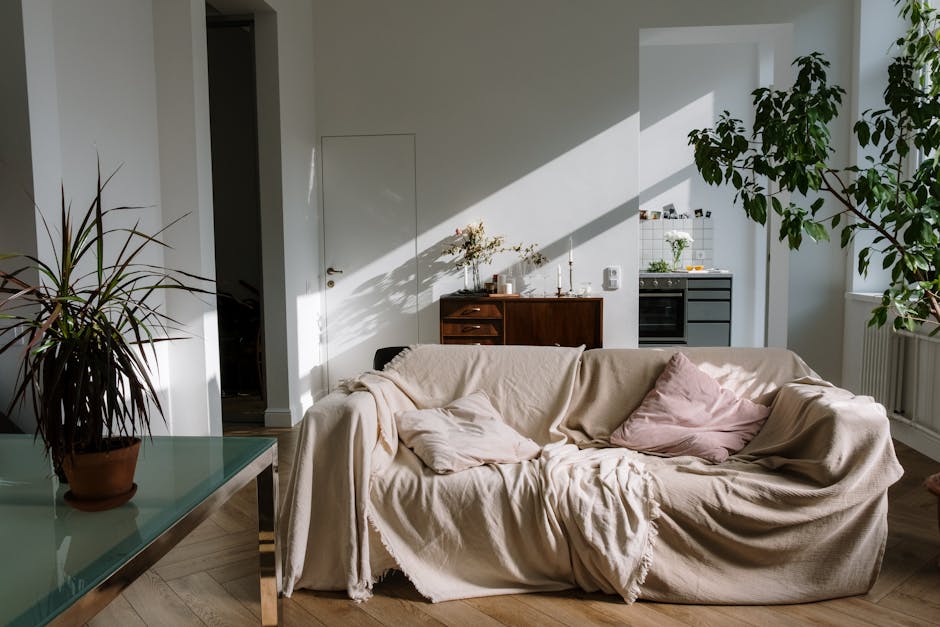
Understanding the technical specifications of each paint can simplify your decision process. Here’s a comparison of Joanna Gaines’ popular whites, focusing on key elements:
| Paint Color | LRV (Approx.) | Primary Undertone | Feel | Approx. Price/Gallon (2026) |
|---|---|---|---|---|
| Silos White | 83 | Greige (Gray-Beige) | Balanced, Soft, Inviting | $50-60 |
| Shiplap | 80 | Yellow-Beige | Creamy, Cozy, Vintage | $50-60 |
| One Horn White | 85 | Subtle Beige | Clean, Soft Warmth | $50-60 |
| True White | 88 | Minimal/Neutral | Crisp, Modern, Bright | $50-60 |
What is LRV and Why It Matters
LRV, or Light Reflectance Value, is a number that indicates how much light a color reflects. A higher LRV means the color reflects more light and will appear brighter. An LRV of 0 is absolute black, and 100 is pure white. For white paints, LRVs typically range from 75 to 90. A paint with an LRV in the low 80s, like Silos White or Shiplap, will have more depth and feel softer, while one closer to 90, like True White, will feel brighter and more stark. Consider your room’s natural light; a lower LRV white can feel oppressive in a dark room, while a high LRV white can be blinding in a very bright room.
Cost Per Gallon
Magnolia Home by Joanna Gaines paint is typically sold through Sherwin-Williams. As of 2026, you can expect to pay around $50-60 per gallon for their interior latex paint. Prices can vary based on sales, specific product lines (e.g., higher durability finishes), and region. Always check with your local Sherwin-Williams store for current pricing. A typical 10×12 foot room requires about 2-3 gallons for two coats, including ceilings, depending on surface porosity and color change.
The Single Biggest White Paint Mistake
Don’t skip large samples. It’s that simple. Picking white paint without seeing it on your walls is like buying shoes online without knowing your size—it almost always ends badly. This seemingly small step prevents huge frustrations and costly repaints.
Forgetting Paint Samples
The biggest pitfall is choosing a white based solely on a small paint chip or online image. White paint is a chameleon. It dramatically shifts appearance based on natural light, artificial light, surrounding colors (like flooring, furniture, or exterior landscaping reflecting light indoors), and even the time of day. A small sample doesn’t provide enough surface area to accurately gauge how it will behave. Investing in several large, peel-and-stick samples (12×12 inches or larger) and moving them around your space is the most critical step. Budget about $20-30 for 3-4 samples, which is a tiny fraction of what a repaint would cost.
Ignoring Your Fixed Elements
Another common mistake is ignoring the existing elements in your home that aren’t changing. Your flooring, kitchen countertops, backsplash, fireplace stone, and even the color of your roof or surrounding greenery outside your windows all cast subtle reflections and dictate the underlying undertones that will harmonize best. If your countertop has a strong warm-yellow vein, a cool blue-white paint will clash. If your wood floors are rich and red-toned, a very stark white might feel abrasive. Hold your paint samples up against all these fixed elements. They should look like they belong together, not like strangers forced into the same room.
Q&A: Your Joanna Gaines White Paint Questions Answered
How does lighting affect white paint?
Lighting is the single most influential factor on how white paint appears. Natural light changes dramatically throughout the day and with cardinal direction. North-facing rooms receive cooler, bluer light, making even warm whites appear more subdued. South-facing rooms get bright, warm light, which can amplify yellow undertones. East-facing rooms get bright morning sun, then cooler afternoon light. West-facing rooms get warm afternoon light. Artificial lighting also matters. Incandescent bulbs (older style) emit a warm, yellow light, while LED bulbs come in various temperatures, from warm white (2700K) to cool daylight (5000K+). Always test your white paint samples under both natural and artificial light sources that you plan to use in the finished space. For a true reading, use 3000K or 3500K LED bulbs, which provide a neutral white light.
Can I mix different whites in one house?
Absolutely, and often, it’s encouraged! Using a single white throughout an entire home can sometimes feel monotonous. Varying your whites can add subtle depth and character. For instance, you might use Silos White in the main living areas for warmth, a brighter True White on ceilings and trim for crisp contrast, and a creamier Shiplap in a bedroom for a cozier feel. The key is to ensure the whites you choose have harmonious undertones. Avoid pairing a very cool, blue-based white with a very warm, yellow-based white in adjacent spaces, as this can create a jarring effect. Stick to whites that share a similar warmth level or those that are clearly different (e.g., a warm wall white with a very neutral trim white) for an intentional, layered look.
Is “Pure White” always the best choice?
No, “Pure White” is not always the best choice, despite its popularity. While Sherwin-Williams Pure White (SW 7005) is an excellent, versatile white with minimal undertones and an LRV of 84, it’s not a one-size-fits-all solution. It’s often recommended as a good trim or ceiling white because of its neutrality. However, for walls, especially if you desire the specific warmth and character of Joanna Gaines’ aesthetic, a slightly creamier or greigier white like Silos White or Shiplap might be a better fit. Pure White can sometimes feel too stark or bright on walls in certain lighting conditions, particularly in north-facing rooms or if your home leans heavily towards warm, natural textures. Always consider your specific style, lighting, and existing furnishings before defaulting to any “pure” or “clean” white.
Prepping Your Walls for a Flawless Finish
Even the best white paint will fall flat on poorly prepared walls. Proper prep is not just about a clean canvas; it’s about ensuring an even absorption of paint, which is crucial for uniform color and finish, especially with whites that highlight every imperfection.
Cleaning and Repairing Surfaces
Start by clearing the room. Remove all wall hangings, outlet covers, and switch plates. Lay down drop cloths. Thoroughly clean your walls. For most rooms, a simple wipe-down with a damp cloth and a mild degreasing cleaner (like a few drops of dish soap in warm water) is enough. For kitchens or bathrooms, a stronger cleaner might be needed to cut through grease and grime. Rinse walls with clean water to remove any soap residue. Next, inspect for damage. Fill any nail holes or small cracks with spackle. For larger holes, use drywall compound. Allow repairs to dry completely, then sand smooth with fine-grit sandpaper (120-220 grit). Dust off all sanded areas with a tack cloth or damp sponge.
Essential Priming Steps
Priming is non-negotiable for white paint, especially if you’re painting over a darker color or uneven surfaces. Primer creates a uniform base, seals porous surfaces, blocks stains, and ensures the true color of your white paint shines through in fewer coats. Choose a high-quality, white-tinted primer. For covering dark colors, a stain-blocking primer is essential. Apply one even coat of primer using a roller for large areas and a brush for edges and corners. Let it dry according to manufacturer instructions—typically 2-4 hours. In some cases, especially with very dark previous colors or significant repairs, a second coat of primer might be necessary to achieve a perfectly uniform base for your chosen white.