5 Outdoor Rugs That Actually Survive Rain, Mud, and Sun
Nearly 40% of outdoor rug buyers replace their purchase within 18 months. Mold, UV bleaching, and waterlogging end most rugs long before they look worn out.
The problem isn’t price. A $200 outdoor rug made with the wrong construction fails just as fast as a $40 one. It comes down to material and whether the rug can drain and dry before mold takes hold on the underside.
Here’s what holds up, what doesn’t, and which specific rugs are worth buying for different outdoor setups.
Why Most Outdoor Rugs Fail After One Season
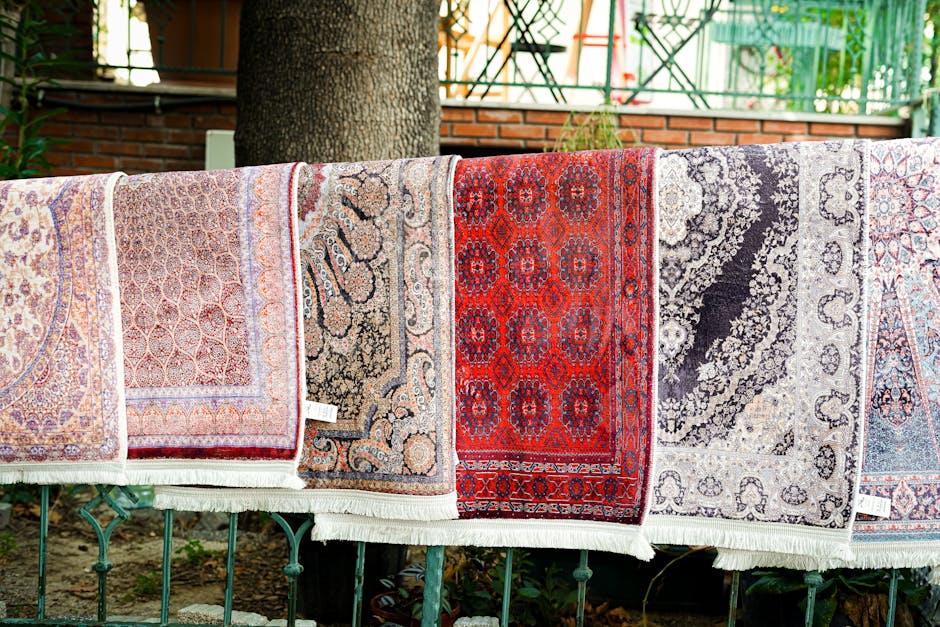
The failure pattern is almost always the same. The rug absorbs water, stays damp on the underside for two or three days, and mold starts growing where you can’t see it. By the time you notice the smell or the discoloration, the backing has already broken down.
The “Outdoor-Rated” Label Means Almost Nothing
There’s no binding standard a rug must meet before manufacturers can label it “outdoor use.” Polypropylene is the most common outdoor fiber — it resists fading and doesn’t absorb water the way cotton or nylon does. But a tightly looped polypropylene pile still traps water inside the weave structure itself. A dense polypropylene rug on a concrete patio after heavy rain can stay wet underneath for 48 to 72 hours. That’s enough time for mold to colonize the backing.
Natural fibers are worse. Jute, sisal, and seagrass get marketed for “covered patios,” but a few rain splashes are enough to start the degradation process. These materials absorb water, swell, and break down from the inside. They don’t belong in any outdoor space with any real moisture exposure.
What Genuinely Waterproof Construction Looks Like
Two things separate a truly waterproof outdoor rug from a water-resistant one. First: non-absorbent fiber — either polypropylene filament or PVC-coated plastic strips. Second: an open weave that lets water drain through rather than pool in the pile. When both are present, rain passes through the rug and the surface dries in 20 to 30 minutes. You can hose it down and use it again the same afternoon.
Plastic straw mats — the flat-strip woven construction common in beach mats and picnic blankets — satisfy both requirements. The strips are solid PVC or plastic film. Rain hits the surface and falls through the gaps in the weave. There’s no fiber to hold moisture.
The Underside Problem Nobody Mentions
Even a waterproof rug traps water if the underside can’t breathe. Solid rubber-backed rugs are the worst offenders — they form a seal against smooth decking and keep the surface beneath wet for days. On hardwood or composite decking, that trapped moisture accelerates rot and can damage the deck itself, not just the rug.
Concrete and stone patios drain faster and tolerate this better. Wood decks are highest risk. On any wooden surface, choose a mat with an open-weave underside or use a breathable outdoor rug pad to create an air gap between the mat and the deck boards.
For covered porches that see occasional rain splash but not direct downpours, a polypropylene flatweave like the Safavieh Courtyard collection ($120–180 for an 8×10) works fine and offers far more design variety. For full sun and direct rain, you need construction closer to a mat than a traditional rug.
The DiiKoo 8×10 Black and White Mat: A Straight Assessment
At $75.99 for an 8×10, the DiiKoo black and white outdoor mat sits in a practical range — not so cheap you’d treat it as disposable, not so expensive that a patio or deck purchase requires extended justification.
The 4.6/5 rating across 933 reviews breaks into a consistent pattern: color holds through a full summer of direct sun, the mat cleans completely with a garden hose, and it’s far lighter and more packable than any traditional outdoor rug. The main criticisms are edge curling in sustained heat and a firm texture underfoot — both normal characteristics of plastic straw construction, not individual defects.
Specs Side by Side
| Feature | DiiKoo 8×10 Plastic Straw Mat | Standard Polypropylene 8×10 |
|---|---|---|
| Core material | PVC-coated plastic strips | Polypropylene fiber |
| Waterproof | Yes — drains through the weave | No — water-resistant surface only |
| Reversible | Yes | Rarely |
| Foldable | Yes — folds for storage and travel | No — rolls only |
| Dry time after rain | 15–30 minutes | 6–24 hours |
| Price (8×10) | $75.99 | $90–$200 |
| Ideal use | Patio, RV, beach, camping, deck | Covered patio, sheltered outdoor use |
The Reversible Design Is More Useful Than It Sounds
Most buyers don’t think much about reversibility until one side picks up a permanent scuff from a chair leg or a stain that won’t hose off. Flip it. The DiiKoo’s geometric black and white pattern is identical on both sides, so the switch is seamless. You’ve effectively doubled the rug’s service life without any added cost.
For RV and camping use, foldability is the bigger differentiator. Standard outdoor rugs roll but never fold — they’re bulky, take up floor space, and can’t fit in a standard storage compartment or gear bag. The DiiKoo folds down to roughly the size of a large sleeping bag. That matters inside a 30-foot RV where storage space is a zero-sum equation.
Plastic Straw vs. Polypropylene: The Call

For any space that gets direct rain, direct sun, or regular hose-down cleaning — plastic straw wins outright. It drains in minutes, dries in under 30, and doesn’t degrade from repeated hosing. Polypropylene flatweaves make more sense for covered patios where softness and design variety matter more than drainage speed. Skip polypropylene loop pile for outdoor use entirely — it holds water like a sponge and becomes slippery when wet, which crosses from inconvenient into a safety issue.
How to Size an Outdoor Rug Without Getting It Wrong
Sizing causes more buyer regret than any other outdoor rug decision. A rug that’s too small looks proportionally worse than no rug at all. Returns on large outdoor rugs are expensive and logistically difficult — shipping costs alone often make returns impractical.
Five Sizing Rules Worth Following
- Leave 12–18 inches of bare floor around the rug’s perimeter. A rug that fills the entire patio reads as wall-to-wall carpet and compresses the visual space.
- For any seating or dining group, front legs of all chairs must sit on the rug. If only the table sits on it, you’ve bought too small.
- Measure the furniture footprint first, then add 18 inches per side. Most buyers measure the patio and pick a rug to fill it — that’s the wrong order of operations.
- An 8×10 comfortably handles most 6–8 chair outdoor dining sets. A 4-person bistro setup works with a 5×8.
- For RV awning areas: most residential RV awnings span 10–15 feet wide. An 8×10 mat works for standard 24–30 foot RVs at full awning extension. Measure your specific awning before ordering.
Mark It Out Before You Order
Use painter’s tape to outline the exact rug dimensions on your patio or deck before placing an order. Step back. Look at it through a glass door from inside. Let it sit there for a full day before deciding. Five minutes of tape costs nothing — an oversized rug return is a genuine hassle.
Plan for your fully-furnished configuration, not what you have right now. If you’re adding a chaise lounge or a second seating cluster later in the season, account for those pieces now. Undersizing for current furniture and reordering at full price costs more than getting it right the first time.
Best Outdoor Rug for Each Specific Setup
The right rug depends on where it’s going, not just what it looks like. Here’s a direct breakdown by situation with a concrete pick for each.
Patio Dining Sets: Choose Plastic Straw
Food drips, drink spills, and direct rain combine into the most demanding possible conditions for any rug. Plastic straw mats handle all three: spills sit on the surface until you hose them off, rain drains through the weave, mud rinses clean. Both the DiiKoo and this boho reversible straw mat version perform equally well at $75.99 with a matching 4.6/5 rating across 952 reviews. The boho pattern reads slightly warmer and pairs better with rattan or natural wood furniture. Same material, same durability — the choice is purely about which pattern fits your furniture.
Covered Porches: Prioritize Softness and Pattern Options
With a full roof overhead and no direct rain exposure, you don’t need waterproof — you need something that looks good year-round and feels comfortable underfoot. The Safavieh Courtyard line covers both at $120–180 for an 8×10, with hundreds of pattern options in polypropylene flatweave. If you have pets or kids who track in mud, the Ruggable outdoor collection ($185 for 8×10) justifies the premium — the cover layer detaches and goes directly into a standard washing machine. No other traditional outdoor rug matches that.
Camping and RV Use: Foldability Is Non-Negotiable
Portability eliminates every other category. Polypropylene rugs roll but don’t fold — they’re heavy and burn storage space that RVs simply don’t have. The DiiKoo mat folds to roughly the footprint of a sleeping bag and weighs a fraction of a polypropylene equivalent. At exposed campsites in wind, anchor the corners with tent stakes or weight them down with camp chairs — lightweight plastic straw mats will shift in a sustained breeze.
Balconies: Weight and Fit Matter Most
Balconies typically have built-in drainage slopes, so full waterproofing matters less than finding the right dimensions. For oddly shaped balconies, the Foss Floors outdoor carpet (custom-cut rolls at roughly $1.50–2.00 per square foot) handles non-rectangular spaces better than any fixed-size rug. For standard balconies under 6×8 feet, the Target Threshold outdoor flatweave ($60–80 for 5×7) is practical and affordable.
One Tip on Rug Pads for Outdoor Use
On smooth decking, polished stone, or painted concrete, any lightweight mat — plastic straw included — can slide. Rug Pad USA makes open-mesh outdoor pads ($25–40 for 8×10) that grip both rug and floor while still allowing drainage. On textured decking, gravel, or grass, extra grip isn’t necessary. Near a pool or on outdoor stairs, it always is.
When a Plastic Straw Mat Is the Wrong Pick
Is it comfortable to sit or lie on directly?
Honestly, no. The surface is firm and slightly textured — fine for walking and setting furniture on, but not comfortable for extended barefoot sitting or lounging directly on the mat. If your outdoor setup involves people sitting on the floor or kids playing at ground level, a polypropylene flatweave or the Ruggable outdoor version will be significantly more comfortable. The straw mat is functional, not soft.
Does it work in upscale or formal outdoor spaces?
No. The black and white geometric pattern is casual — it works in beach house, farmhouse, and bohemian settings. It doesn’t belong on a curated stone terrace with teak furniture and linen cushions. For elevated outdoor aesthetics, Pottery Barn’s outdoor rug line ($199–399 for 8×10) and the CB2 outdoor flatweave collection ($180–320) carry the visual weight to match premium furniture. You’re paying for design sophistication — the raw durability at that price point isn’t significantly better than a straw mat.
What about slip risk on smooth surfaces?
Real concern. Any lightweight mat slides on polished composite decking, smooth stone, or painted concrete. Near a pool or on outdoor steps, that’s a safety issue. A breathable mesh rug pad from Rug Pad USA solves it for $25–40 and also creates the air gap that lets both surfaces dry out after rain. Factor that cost into your total if your surface is smooth. On grass, gravel, or rougher decking textures, the mat holds position without any help.
For most patios, decks, RV setups, and camping use at under $80, the DiiKoo 8×10 black and white mat is the clearest pick. It drains, dries in under 30 minutes, folds for travel, and reverses to extend its life — practical advantages no traditional polypropylene rug at that price can match. If softness or a more elevated aesthetic is the priority, budget up to $185 for the Ruggable outdoor line and plan to keep it in a covered or semi-sheltered location.
Disclaimer: The information on this page is for educational purposes only and does not constitute financial advice. Rates, terms, and eligibility requirements are subject to change. Always compare multiple lenders and consult a licensed financial advisor before borrowing.