The “Less Is More” Rule Has a Missing Clause
Empty rooms don’t feel calm. They feel unfinished.
The assumption driving most failed minimalist living rooms is that removing objects automatically creates peace. Strip a room of everything and you’re left with whatever the underlying structure offers — and most living rooms have nothing notable underneath. Popcorn ceilings, trim that reads as filler, carpet that shows every footprint.
Cozy minimalism works on a different premise. It’s not reduction for its own sake. It’s selecting a small number of objects that carry warmth — through material, texture, or organic form — and giving each one enough space to register. The Scandinavian concept of hygge gets mentioned constantly in this conversation, but hygge allows clutter: candles everywhere, stacked books, layered blankets. Cozy minimalism is more edited than that.
What Actually Makes a Room Feel Cold
The usual culprits, ranked by how often they’re overlooked:
- Light bulbs above 3000K color temperature — anything marketed as “bright white” or “daylight”
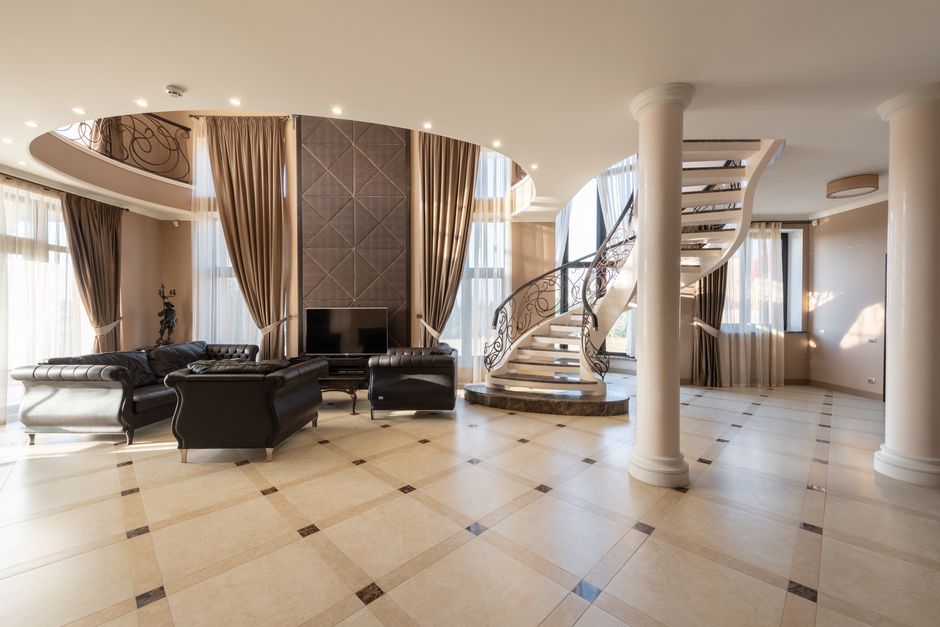
- Matching furniture sets where the sofa, loveseat, and armchair all come from the same collection — this reads as showroom floor, not home
- High-gloss surfaces with no texture to interrupt them
- Furniture on thin chrome or black metal legs sitting directly on bare hardwood with no rug underneath
Any single one of these undercuts an otherwise well-executed room. All four together and no amount of throw pillows will save it.
The One-Sentence Framework
Every surface in a cozy minimalist room should either serve a function or create warmth — ideally both.
A ceramic vase does nothing functional but adds warmth through texture and organic form. A linen throw serves both purposes. A tray holding your remotes does both. If an object does neither, it has no logical place here — not because rules are fun, but because that’s what creates the visual coherence the entire look depends on.
The Material and Color Combinations That Actually Work
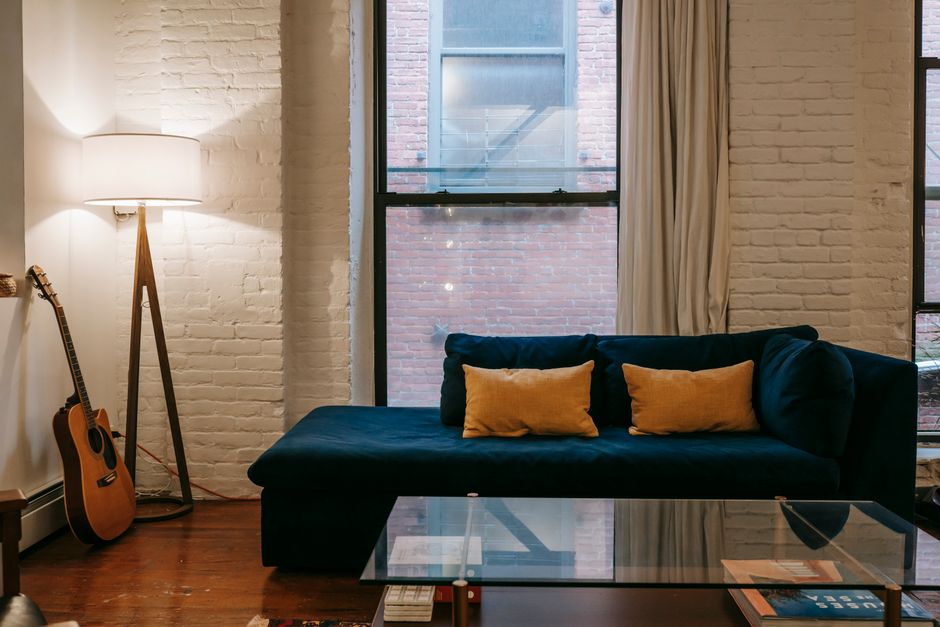
Most guides treat this as vague inspiration. It isn’t. There is a clear hierarchy of materials by warmth level, and knowing it prevents buying the wrong thing twice.
| Material | Warmth Level | Price Range | Best Application |
|---|---|---|---|
| Chunky knit wool throw | High | $35–$120 | Sofa, accent chair |
| Linen cushion covers | High | $15–$45 each | Sofa, floor pillows |
| Jute or sisal rug | High | $80–$350 | Under coffee table |
| Matte ceramic in warm tones | Medium-High | $20–$80 | Side tables, open shelves |
| Oak or ash wood furniture | High | Varies | Coffee table, shelving |
| Aged brass hardware | Medium-High | $15–$50 per piece | Lamp bases, drawer pulls |
| Chrome or nickel hardware | Low | $5–$30 per piece | Avoid as a feature element |
| Polyester microfiber | Low | $25–$80 | Avoid as primary textile |
| High-gloss white paint | Low | $30–$60 per gallon | Avoid as primary wall color |
The Texture Direction Dominating 2026
One or two textures executed with intent beats seven competing textures every time. A room with a single jute rug, a linen sofa, and three matte ceramic objects reads more sophisticated than a room where the eye doesn’t know where to rest.
Three specific products worth calling out: the Parachute Home Linen Throw in Oatmeal ($89) delivers strong texture for the price — the drape and weight both read as quality. The H&M Home Chunky Knit Throw in Natural ($35) is the best budget option in this category by a clear margin. For a rug, the IKEA STOENSE in off-white ($99, 5’3″x7’7″) holds its look longer than most alternatives in its price range.
Wall Color: Three That Work, One to Avoid
Sherwin-Williams Accessible Beige (SW 7036), Benjamin Moore White Dove (OC-17), and Behr Aged Beige all work. They photograph cleanly, read warm under 2700K lighting, and don’t compete with natural wood tones.
Stark cool whites — anything with a blue or gray undertone — actively fight the cozy minimalist premise. If your current walls are a cool white, repainting is the highest-leverage change you can make before spending money on anything else in the room.
The 5 Pieces That Do the Heaviest Lifting
Ranked by impact on the overall look, not by price.
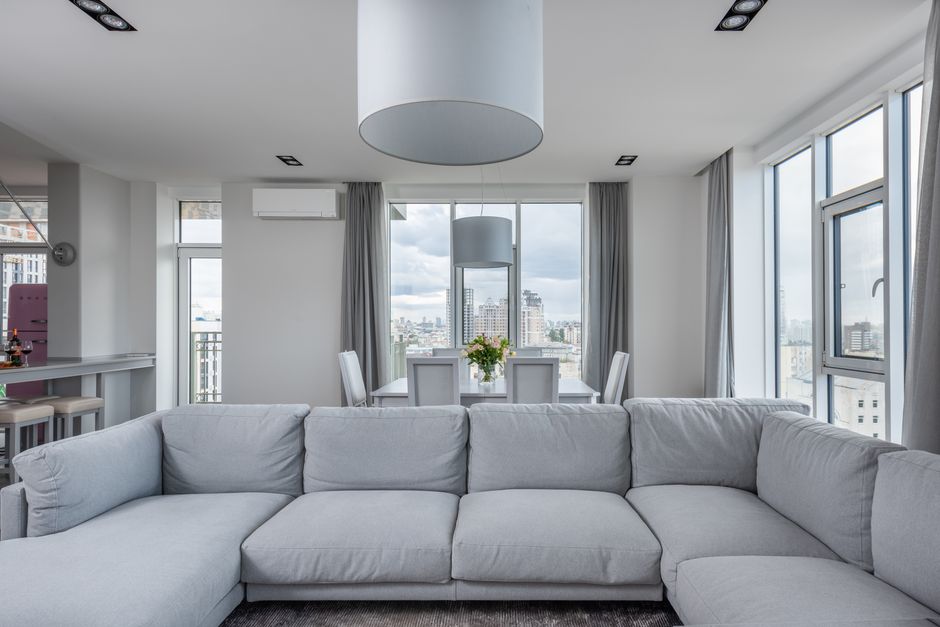
- A sofa in a warm neutral — oatmeal, warm ivory, dusty rose, or camel. Not charcoal gray, not navy. Those colors pull a room cold regardless of everything else surrounding them.
- A correctly sized area rug — 8×10 ft minimum for most living rooms, with all front furniture legs resting on it. An undersized rug floating in the center of the room is the single most common mistake in this aesthetic.
- 2700K light bulbs in every fixture — replace them before buying any decor at all. Amazon Basics Warm White A19 LEDs cost about $2.50 each. This change costs under $15 total and has more impact on perceived warmth than almost any decorative purchase you can make.
- One natural wood coffee table at low profile — the IKEA LISTERBY ($149) in brown-stained ash performs well here. Low profile, slightly organic shape, holds up to real daily use.
- A floor lamp with a fabric or linen shade — the Brightech Sparq LED Floor Lamp ($65) with a warm white bulb handles this role well. Chrome torchieres read as college apartment regardless of context.
The Sofa Decision Deserves More Thought Than People Give It
The sofa is your largest single purchase and the piece everything else responds to. Get it wrong and no arrangement of throw pillows will compensate. For cozy minimalism, the West Elm Harmony Sofa ($1,299–$1,799 depending on configuration) in Performance Velvet Camel checks the critical boxes: low profile, visible but not ornate legs, fabric that genuinely reads as warm. If that’s over budget, the Article Timber Sectional in Boucle ($1,395) delivers similar visual warmth and builds texture directly into the sofa itself rather than relying on accessories.
If replacing the sofa isn’t an option right now: a linen slipcover from Comfort Works ($200–$350 depending on sofa size) can transform a mismatched piece without the replacement cost.
What to Buy Last
Decorative objects. Always last. Get the sofa, rug, lighting, and wall color right first, then buy one or two ceramic pieces and a plant. Most cozy minimalist rooms fail because the owner bought accessories before anchoring the room with the right foundational pieces — then tried to compensate by adding more accessories. The problem compounds instead of resolving.
This Look Has a Real Failure Mode
Cozy minimalism requires visible surfaces to stay clear — and that is a real maintenance burden. If you have children under 8 or pets that shed heavily onto furniture, the upkeep will either frustrate you or you’ll abandon the aesthetic within six months. In that situation, warm maximalism — same materials and color palette, more relaxed about object count — is the more sustainable long-term direction.
Three Questions This Aesthetic Always Raises
How many decorative objects is actually the right number?
Three to seven visible objects total on open surfaces in the room. Not per shelf — total. A large floor plant like a Monstera deliciosa, which reaches 4–6 feet indoors, counts as one object. A ceramic vase counts as one. Two books stacked horizontally with a small object on top counts as one grouping.
Above seven objects and you’ve moved into decorated minimalism, which is a valid look but a different one. Below three and the room reads as unfinished rather than restrained. The range between those numbers is where cozy minimalism actually lives.
Can this look be done on a budget under $500?
Yes — but the order of operations matters more than how much you spend. Start with 2700K bulbs ($15), then a warm-toned throw in linen or knit ($35–$89), then one area rug in the right size — IKEA and Ruggable both run $80–$130 for acceptable quality at this price point. That combination is the core. Add one ceramic object and a plant, and stop there.
Skipping the rug to save money is the most common budget mistake. An undersized or absent rug costs the room more perceived warmth than almost any other single variable.
Does cozy minimalism actually work in small living rooms?
Better than large rooms, in most cases. The intentional object selection the aesthetic requires becomes easier when square footage naturally limits what fits. One adjustment for tight spaces: replace the floor lamp with wall-mounted sconces. They don’t consume floor space and direct light up the wall, which visually raises ceiling height — a meaningful effect in any room under 150 square feet.
Change your light bulbs to 2700K first. Everything else in this aesthetic builds from that single decision.