Matcha Whisk Set Buyer’s Guide: What to Look for at $30 and Under
Most people buying their first matcha kit assume the bamboo whisk is mostly decorative — a prop for photos. It isn’t. The chasen is the single piece of equipment that determines whether your matcha turns out frothy and smooth or clumpy and flat. It’s also the component most likely to fail within a few months of regular use. That one misunderstanding drives a lot of bad purchases.
This guide covers what a matcha ceremony set actually needs, what to watch for in the under-$30 price range, and where two near-identical TEANAGOO kits serve completely different buyers.
Prices reflect Amazon listings as of 2026. This is a product review, not financial advice.
What a Complete Matcha Ceremony Kit Actually Needs

The Japanese tea ceremony codified matcha preparation centuries ago, and the required tools haven’t changed much. That’s reassuring if you’re buying into a tradition. It’s also a reminder that there’s no tech breakthrough coming — the right bamboo whisk in a wide ceramic bowl is still the standard, and kits that deviate from that formula usually cut corners somewhere you’ll notice.
The underlying problem matcha tools solve: matcha powder is ground to roughly 2,500–4,000 mesh particle size. It’s finer than flour and clumps on contact with liquid. You need specific tools to break those clumps and create a stable emulsion. A regular kitchen whisk won’t generate the micro-froth that defines well-prepared matcha — the geometry is wrong and the tine count is too low.
The Five Tools Worth Paying For
Any kit missing one of these five components is incomplete. This isn’t marketing — it’s what the preparation method physically requires.
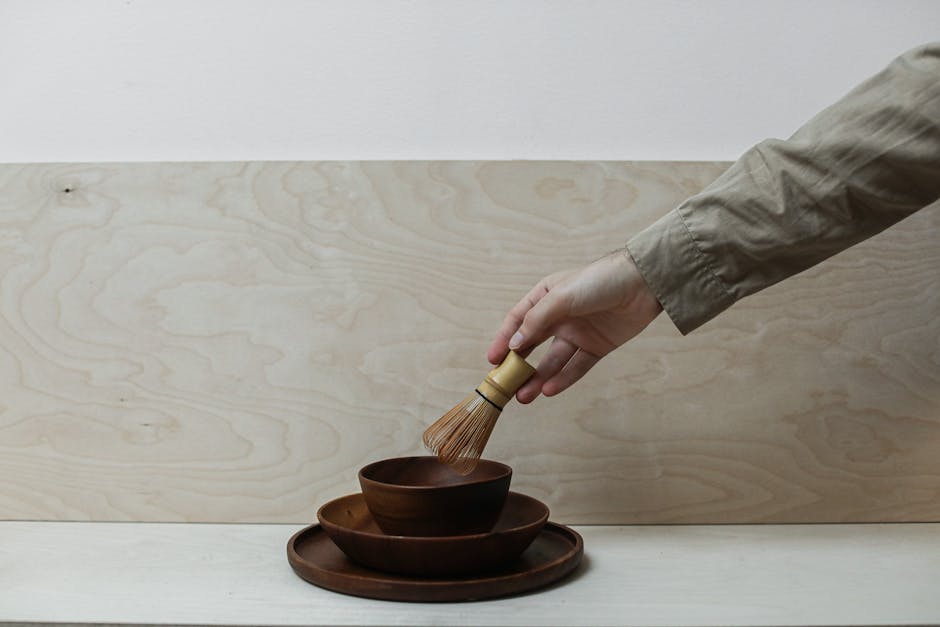
- Chasen (bamboo whisk): 80 tines minimum for lattes, 100–120 tines for formal ceremony. Tine count determines froth density. This is the most critical component in any matcha kit, bar none.
- Chawan (ceramic bowl): Wide enough — 4.5 to 5.5 inches interior diameter — to allow a proper “W” or “M” whisking motion without splashing. A too-small bowl is one of the most consistent beginner frustrations and almost never gets flagged in product listings.
- Chashaku (bamboo scoop): Measures roughly 1–2 grams of powder per scoop. Skip this and you’ll consistently over- or under-dose, which affects both taste and texture. Cheap component, real function.
- Sifter (furui): Fine-mesh, breaks up clumps before whisking. The most underrated component in any matcha kit. Sets that exclude it are cutting corners at your expense — you’ll spend your whisking energy on clumps, not froth.
- Chasen holder (kusenaoshi): Maintains the chasen’s curved tine shape while drying. Without it, tines splay permanently and the whisk loses effectiveness within weeks. Often missing from bargain sets — its absence is always a downgrade, never a neutral omission.
What You Don’t Need in a Starter Kit
A lacquered tray, a tea caddy, a scoop rest, matching napkins — beautiful, but none of them affect your matcha. Kits padded with extras to hit a piece-count are often under-investing in the components that matter. Be skeptical of any listing that leads with “12-piece set” without itemizing what twelve things those actually are.
One extra that genuinely earns its place: a ceramic bowl with a pouring spout. If you’re transferring whisked matcha into a smaller cup for a latte, the spout eliminates drips. It’s a small functional detail that makes daily use significantly cleaner. The one optional component actually worth having.
The Bamboo Whisk Durability Problem
Every bamboo chasen will eventually mold, fray, or break. That’s not a defect — it’s the nature of the material. One verified buyer described it plainly: “the bamboo whisk, which got moldy pretty quickly. In my experience, bamboo tools are just hard to maintain.” This applies equally to an $8 replacement chasen and the $60 Takayama-crafted one from Ippodo Tea. The material has a lifespan, full stop.
Realistic expectation with daily use: 2–4 months before fraying begins. Up to 6 months with consistent care using a holder and full air-drying after every session. Standalone replacement chasen run $8–15 from Matcha Outlet or Ippodo Tea — budget for one per year and the total cost of ownership looks much more reasonable than the initial sticker price suggests.
| Care Step | Why It Matters | Frequency |
|---|---|---|
| Rinse in warm water immediately after use | Removes matcha residue before it hardens on tines | Every use |
| Place on chasen holder upright to dry | Preserves tine curve and prevents permanent splaying | Every use |
| Store in an open, dry space | Bamboo needs airflow — a sealed drawer causes mold | Always |
| Replace chasen when tines fray visibly | Frayed tips reduce froth quality and can break into your drink | Every 2–6 months |
TEANAGOO 7-Piece Purple Set: What You’re Actually Getting

Clear verdict upfront: the TEANAGOO 7-piece cherry blossom matcha kit at $28.99 is the strongest recommendation in the under-$30 category. Not because the bamboo components sidestep the durability issues covered above — they don’t — but because the ceramic design details and functional additions outclass competitors at this price. A 4.7/5 rating across 2,615 reviews is unusually consistent for a kitchen product at this price point; at scale, those numbers get harder to fake with quality issues.
What’s in the Box at $28.99
Seven pieces: ceramic chawan bowl with pouring spout, bamboo chasen, chasen holder, chashaku scoop, matcha sifter, cleaning brush, and a whisk rest. Every component from the essential five checklist is present. Nothing critical is missing, and the extras that are included — holder, brush, rest — are functional, not decorative padding.
The ceramic bowl’s pouring spout is the practical standout. One reviewer confirmed: “The pouring spout is really helpful so I don’t make a mess transferring it to a cup.” At $28.99, having that detail built in rather than requiring a separate spouted bowl purchase reflects genuine design attention — or at minimum, someone on the product team who actually makes matcha.
The built-in sifter is the other differentiator at this price. Many kits at $30 either skip the sifter entirely or include a version that doesn’t seat properly in the bowl. This one integrates cleanly and actually gets used rather than lost in a drawer within a week.
Design: Does the Product Match Its Photos?
For gift purchases, this question matters more than most product specs. Buyers consistently report the purple cherry blossom ceramic matches its listing photos accurately — what you see on the product page is what arrives. That’s not guaranteed with overseas-sourced ceramics at this price tier, and it’s worth stating explicitly.
The glaze is handpainted, which means slight variation between pieces. If mechanical uniformity is the priority, look elsewhere — the Cuzen Matcha Maker system ($249+) prioritizes machine consistency but operates at an entirely different price point and use-case category. For handcraft aesthetics under $30, TEANAGOO’s consistency across thousands of verified purchases is above average for the segment.
TEANAGOO 7-Piece vs. 9-Piece: The Only Comparison That Matters
These two sets are priced one cent apart — $28.99 versus $28.98. The price differential is irrelevant. The actual component difference is the only thing worth examining.
| Feature | 7-Piece Purple Set ($28.99) | 9-Piece Classic Set ($28.98) |
|---|---|---|
| Ceramic Chawan with Pouring Spout | Yes | Yes |
| Bamboo Chasen | Yes | Yes |
| Chasen Holder | Yes | Yes |
| Chashaku Scoop | Yes | Yes |
| Built-in Sifter | Yes | Yes |
| Extra Drinking Cups | No | 2 × 7.2oz cups included |
| Design Style | Cherry blossom, purple ceramic | Classic ceramic |
| Total Verified Reviews | 2,615 | 827 |
| Average Rating | 4.7/5 | 4.7/5 |
| Best Fit | Gifts, solo use, aesthetic priority | Two-person households, daily practicality |
The 9-piece set’s two 7.2oz ceramic cups solve a real problem if two people in your household drink matcha daily — you avoid the cycle of pouring from the chawan and immediately washing for the second person. For solo use, those cups are a nice addition but not a compelling upgrade over the 7-piece.
The 7-piece set carries three times the review volume at the identical rating. That’s a meaningful trust signal when choosing between two unfamiliar products at the same price. More reviews means the rating has been tested across a wider range of buyers and expectations.
Bottom Line: 7-piece for gifts and solo ceremonies. 9-piece if two people drink matcha regularly in your household.
Five Mistakes First-Time Matcha Kit Buyers Make
- Buying a kit without a sifter. Clumpy matcha is a prep problem, not a whisk problem. Without sifting, the chasen spends its energy breaking clumps instead of building froth. The sifter is also the first component cut from budget sets — check the component list before purchasing, not after.
- Skipping the chasen holder. One buyer confirmed the difference directly: “the inclusion of the whisk holder, it helps maintain the shape of the chasen and extends its life.” Standalone holders sell for $5–8. A kit that excludes one is a cost you’ll eventually pay separately, plus the months of degraded performance before you do.
- Brewing with boiling water. Matcha at 175°F (80°C) is smooth and slightly sweet. At 212°F it turns bitter and grassy. Two minutes of rest after the kettle boils is all it takes. This single habit change improves more matcha results than any equipment upgrade at any price point.
- Choosing a bowl that’s too small. A chawan under 4 inches interior diameter doesn’t give the chasen room to move. Whisking in a small bowl produces splash, not froth. This is one of the most common complaints in negative matcha reviews — and it’s almost always a bowl problem, not a matcha or whisk problem.
- Expecting complete beginner instructions. Most matcha kits include minimal documentation. One reviewer noted: “I wish the instructions were a bit more detailed for beginners.” That’s a fair criticism across the category. Plan on watching a 3-minute instructional video on chasen technique when starting out. The included paper insert is a reference, not a tutorial.
One situational mistake worth naming separately: buying a bamboo ceremony kit when an electric frother is actually what you need. If speed matters more than ritual, a $15 Bodum handheld milk frother produces a perfectly acceptable matcha latte in 30 seconds with essentially zero maintenance. The bamboo kit is a slower, more intentional experience. Neither choice is wrong — they serve different purposes, and conflating them leads to buyer’s remorse in both directions.
Who This Kit Is and Isn’t For
Is this a strong gift for a matcha enthusiast?
Yes, with minimal caveats. The 7-piece purple cherry blossom set ships in a gift-ready configuration, matches its product photos, and lands at $28.99 — a price that reads as deliberate rather than cheap. For someone starting a matcha practice or someone who would display a ceremony kit rather than hide it in a cabinet, this is a well-matched choice. The complete cherry blossom ceremony set has the visual presentation to justify the gift context.
What about experienced matcha drinkers — is the quality good enough?
Probably not for daily formal ceremony use. Dedicated practitioners typically invest in Takayama-crafted chasen ($25–60 for the whisk alone, sourced through Ippodo Tea or specialty importers) and purpose-built chawan from Japanese ceramicists. This set operates in a different category — it’s calibrated for home enjoyment and gifting, not competitive ceremony. Buying it for an advanced practitioner is like gifting a home espresso machine to someone who owns a La Marzocco. The intention is right; the product category isn’t.
When should someone skip this entirely?
If durability is the top priority over aesthetics, look for matcha sets with stainless steel or synthetic whisk alternatives. They outlast bamboo significantly and won’t develop mold with improper storage. The honest trade-off: synthetic whisks don’t produce froth as effectively as a properly made bamboo chasen, and they don’t carry the visual weight of a traditional ceremony tool. There’s no option that wins on all dimensions — pick the trade-off that fits your actual use pattern.
Also skip the full ceremony kit if your goal is quick weekday matcha lattes. A $15 electric frother and your existing kitchen bowl handle that use case more efficiently, with less cleanup and zero chasen maintenance.
Bottom Line: At $28.99 with a functional pouring spout, a built-in sifter, an included chasen holder, and 2,600+ consistent reviews, the TEANAGOO 7-piece cherry blossom set offers more genuine value than most matcha kits at twice the price — the bamboo whisk will need replacing in a few months, and that’s a normal maintenance cost, not a product failure.
This article contains affiliate links. Prices were accurate at time of writing. This is product research, not financial advice.
Disclaimer: The information on this page is for educational purposes only and does not constitute financial advice. Rates, terms, and eligibility requirements are subject to change. Always compare multiple lenders and consult a licensed financial advisor before borrowing.