Comfortable Wide Width Sneakers for Women That Work All Day
If you’ve sized shoes by length your entire life and still dealt with aching feet by 3pm, width is probably the problem. Most women’s sneakers are built on a standard B-width last — the foot-shaped mold that determines how a shoe fits across every dimension. That standard accommodates roughly 60% of feet. The other 40% spend years squeezing into shoes that fit lengthwise but compress the toe box, blister the pinky edge, and let the arch collapse mid-afternoon. The $50-60 price range now has genuinely good options for this. But you need to know which shoes are actually wide and which just say so on the label.
Why Wide-Width Shoes Are a Completely Different Category
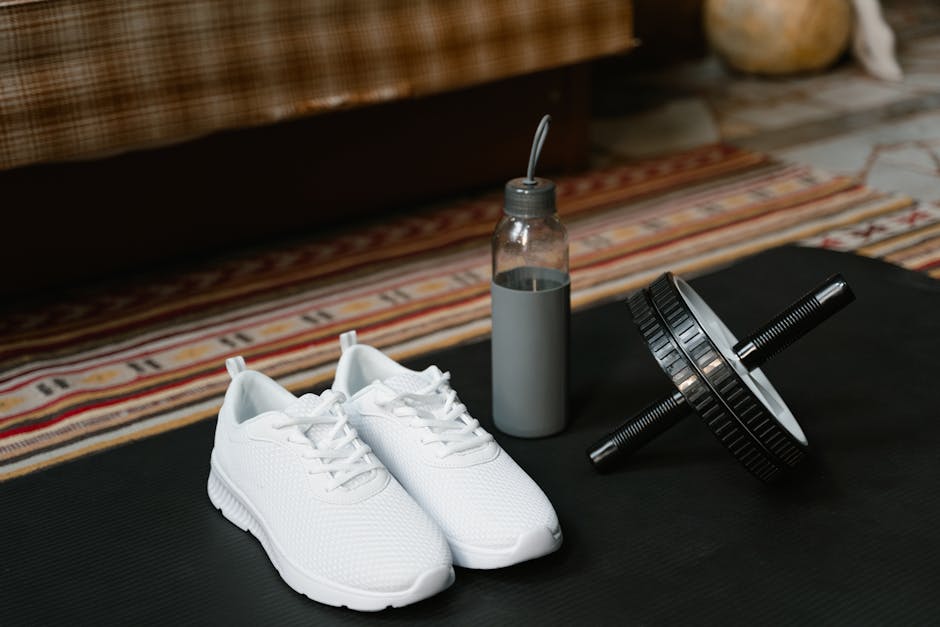
Wide-width shoes are built on a different last — meaning the entire geometry of the shoe changes, not just the outer dimensions. A wide-last shoe has a broader toe box, more room across the ball of the foot (the widest point of a walking stride), and often a wider heel cup. That shape change affects how the insole sits, how the upper stretches under load, and how your foot distributes weight through each step.
The industry labels are a mess. “Wide” typically means D-width in women’s footwear. “Extra wide” is 2E or 4E depending on the brand. Some brands just stamp “Wide” on the box without specifying the actual measurement. When you see a shoe labeled “W” at checkout, assume D-width — roughly 3/8 to 1/2 inch wider across the ball of the foot than the standard B-width default.
That fraction of an inch sounds trivial. If your foot falls outside the standard range, it isn’t.
What Happens When You Wear the Wrong Width for Years
Short-term: blisters along the pinky toe, numbness across the ball of the foot, and fatigue that arrives well before your day ends. Long-term, chronic compression in the toe box contributes to bunion formation, hammer toes, and metatarsalgia — pain localized across the ball of the foot that worsens with walking. None of these develop overnight. They’re the accumulated result of wearing the wrong shape year after year.
Plantar fasciitis is another downstream consequence. When the shoe compresses your foot sideways, it subtly alters your gait. That altered gait distributes load unevenly across the plantar fascia — the thick connective tissue band along the sole — eventually triggering inflammation. This is why podiatrists ask about shoe width, not just size, during intake assessments.
Arch Support vs. Cushioning: They Are Not the Same Thing
Soft cushioning and arch support are often conflated by brands and confused by buyers. A thick foam midsole feels good for the first 20 minutes. But if there’s no structural element holding your arch in a neutral position — a rigid or semi-rigid component that resists collapse under body weight — your foot pronates (rolls inward) with each step. That’s overpronation, and it’s a significant driver of knee, hip, and lower back pain that gets blamed on everything except the shoes.
Real arch support has firmness to it. The thumb test: press your thumb into the arch zone of any shoe from the inside. It should push back meaningfully. If it compresses like memory foam, that’s cushioning — not support.
Brands like Brooks (the Adrenaline GTS runs around $140) and ASICS (the Gel-Kayano series from $160) build their reputations on medically validated support geometry. But the $50-60 bracket has improved noticeably. What to look for at this price: a contoured footbed with a raised arch, a midsole that resists twisting when you grab both ends and rotate them, and a firm heel counter. Those three features separate a functional comfort shoe from a fashion sneaker with a marketing paragraph.
How to Actually Test a Shoe Before Committing
The twist test works for any shoe: hold the heel in one hand and the toe box in the other, then try to rotate them in opposite directions like wringing a towel. A shoe with structural midsole integrity resists clearly. One that flops has a weak base — no footbed contouring compensates for that. Also press the back heel cup from outside. A soft, collapsible heel counter means your foot will rotate laterally with every step, generating the kind of blisters that confuse people because they show up on the heel rather than the toe.
The somiliss Wide Width Sneaker: The Right Call for Wide Feet Under $60
At $53.47, the somiliss wide width sneaker earns a clear recommendation for one specific reason: it’s built on an actual wide last, not a standard shoe with extra foam stuffed in. Most budget brands in this range add the word “comfortable” to their listings without changing the underlying construction. This one addresses the geometry problem directly.
The somiliss wide width sneaker in brown/yellow holds a 4.5/5 rating across 34 reviews. The sample size is modest, but the rating is consistent with the spec sheet — there’s nothing in the construction that would disappoint a buyer who needs a wide-fit daily walker.
Specs Worth Knowing Before You Buy
The upper is breathable mesh fabric — not the stiff synthetic that cracks and stiffens after a season of wear. Mesh allows airflow during extended wear, which reduces moisture buildup and the foot fatigue that comes with it. The outsole uses a non-slip rubber pattern suited to interior surfaces: hardwood floors, tile, light pavement. Not a trail shoe, but capable beyond the sidewalk.
The insole has a contoured arch section with noticeable firmness — it passes the thumb-press test. The wide-width last provides genuinely extra room in the toe box compared to a standard-width shoe in the same size. If you’ve been borderline squeezing into narrow shoes, the difference in the toe box is immediately obvious.
Where This Shoe Works — and Where It Doesn’t
Best situations: daily errands, casual office environments, walking jobs with 6-8 hours on your feet, kitchen and retail settings where non-slip outsoles matter. Women with wider-than-average feet who’ve dealt with chronic pinching in standard shoes will feel the difference in the first wear.
Honest limitations: this isn’t a running shoe. The midsole isn’t built for repetitive high-impact stride loading. Trail surfaces aren’t ideal. And if you use custom prescription orthotics, the insole depth in most budget sneakers doesn’t accommodate thick aftermarket insoles well — you’d need to remove the stock insole entirely, which changes the fit. The brown/yellow colorway is bold and casual; it doesn’t cross into smart-casual territory. For a more versatile aesthetic, read the next section.
Three Things to Check on Any Comfort Shoe Before You Buy
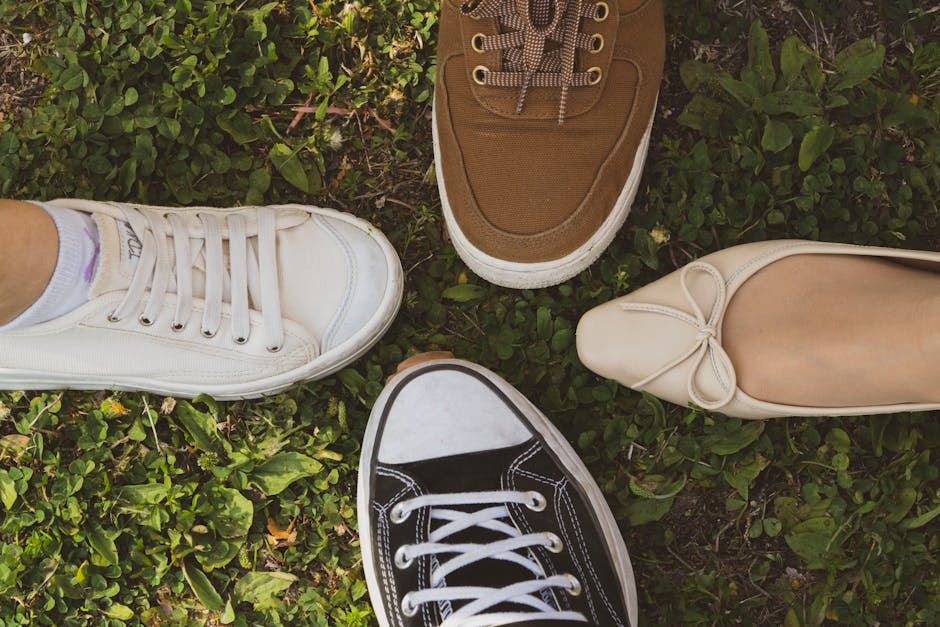
These apply across the board — somiliss, Skechers, Naturalizer, anything in the $40-80 comfort sneaker range. Most buyers check none of them.
- Confirm the return window before ordering. Comfort shoes need a real-world test — a full walking day, not a 30-second try-on. Any retailer offering less than 30 days return on footwear is asking you to make an uninformed decision. Online especially: never commit without a clear return path.
- Run the twist test. Grab the shoe by the heel in one hand and the toe box in the other. Try to rotate them in opposite directions. Good midsole structure resists clearly. A shoe that flops like cloth has a weak base — no amount of arch contouring on the insole fixes that. This is the fastest quality filter you have at any price point.
- Press the heel counter from outside. The rigid cup at the back of the shoe shouldn’t cave under moderate thumb pressure. A soft heel counter means your foot rolls laterally with every step — the source of heel blisters and progressive ankle fatigue that people rarely trace back to the shoe construction.
One more worth noting: shoe weight. A sneaker over 400g (14oz) per shoe will feel noticeably heavy after a few hours of walking. Most decent comfort sneakers in the $50-60 range come in between 280-360g per shoe. Check the product listing if it’s listed — some brands include weight specs, others don’t. When in doubt, lighter is better for all-day wear.
Does Budget Arch Support Actually Work? Three Honest Answers
What does real arch support look like at $50?
Better than it did five years ago. Manufacturing processes that were previously cost-prohibitive have become more accessible, and shoes in the $50-60 range now routinely include EVA midsoles with density gradients — firmer in the arch zone, softer at the heel — rather than a single flat foam slab. Some include a TPU shank: a thin plastic plate embedded beneath the arch that prevents the shoe from flexing in that zone. That’s a structural element, not a marketing feature.
The somiliss shoes use a contoured insole approach. It’s not the same engineering as a Brooks GuideRails or New Balance ENCAP post system, but for someone with a neutral to mild overpronation gait who needs their arch to stop collapsing mid-afternoon, the architecture works. The somiliss leather suede sneaker in gray/silver with 2,101 reviews averaging 4.4 stars is useful evidence here: at that sample size, consistent arch support failure would drag the rating down visibly. It hasn’t.
When should you spend significantly more?
Two clear scenarios. First: diagnosed foot conditions. Plantar fasciitis, severe overpronation, posterior tibial tendon dysfunction — these require shoes built around medically validated support geometry. The Brooks Adrenaline GTS 23 ($140), ASICS Gel-Kayano 30 ($160-190), and New Balance 860v13 ($130) are the appropriate starting points. A $53 shoe isn’t a substitute.
Second: heavy daily mileage. Budget sneakers typically need replacing every 12-18 months under heavy use. A New Balance 990v6 at $175 routinely lasts 3+ years with regular wear. Over a four-year window, the cost-per-wear math often favors the premium option. For occasional walkers and daily errand runners, that math flips — the $50-60 range is entirely adequate.
The sizing mistake that ruins otherwise good shoes
Sizing by length only and ignoring width. If your foot is measurably wider than standard, a wide-width shoe in the correct length will always outperform a standard-width shoe in a half-size larger. Larger length doesn’t create width — it just leaves your heel floating in a shoe that’s too long. Size for both dimensions. If you’re between sizes, go half a size up in length rather than down — feet swell during the day, and a shoe that fits perfectly at 9am gets tight by 3pm if you’re at the margin.
The somiliss Leather Suede: When One Shoe Has to Do Everything
At $53.01 with 2,101 ratings at 4.4 stars, this is the better-proven option by volume and the more versatile pick aesthetically. The genuine leather and suede patchwork upper reads noticeably more polished than mesh — it crosses the casual/smart-casual line that most sneakers at this price can’t. Same non-slip outsole, same arch-contoured insole, lace-up fit. If you need a single comfortable sneaker that handles grocery runs, a casual office, and dinner out without looking like you forgot to change shoes, this is the one.
Side-by-Side: Match the Shoe to What You Actually Need
Here’s where the main options at this price point and above stack up on the specs that actually affect daily wear:
| Shoe | Price | Width Options | Upper Material | Arch Support Type | Best Use Case | Review Rating |
|---|---|---|---|---|---|---|
| somiliss Wide Width (Brown/Yellow) | $53.47 | Wide (W) | Breathable mesh | Contoured insole | Wide feet, daily walking | 4.5/5 (34 reviews) |
| somiliss Leather Suede (Gray/Silver) | $53.01 | Standard | Genuine leather/suede | Contoured insole | Smart-casual, all-day versatility | 4.4/5 (2,101 reviews) |
| Skechers Go Walk 6 | ~$70 | Standard / Wide | Mesh | Moderate (Goga Mat) | Lightweight daily walking | Strong across SKUs |
| Brooks Adrenaline GTS 23 | ~$140 | Standard / Wide / Extra Wide | Engineered mesh | GuideRails system | Overpronation, longer distances | Excellent |
| New Balance 990v6 | ~$175 | Multiple (B through 4E) | Mesh / leather | ENCAP midsole + medial post | Serious foot conditions, heavy use | Excellent |
The New Balance 990v6 represents what the category looks like at full investment — multiple width options, precision support geometry, and durability that justifies the price over years of wear. The Brooks Adrenaline GTS 23 is the right pick specifically for overpronation. Neither is necessary for someone who just needs a well-built everyday sneaker without a diagnosed foot condition driving the decision.
- Wide feet, budget priority: somiliss wide-width brown/yellow at $53.47. Solves the width problem that most budget brands sidestep entirely.
- Versatile everyday sneaker: somiliss leather suede gray/silver at $53.01. The 2,101-review track record is hard to argue with at this price.
- Mild overpronation with a larger budget: Skechers Go Walk 6 or Brooks Adrenaline GTS 23.
- Diagnosed foot condition or 10,000+ steps daily: New Balance 990v6 or ASICS Gel-Kayano 30. The premium pays for itself in longevity and precision.
The $53 price point isn’t a compromise for most buyers. It’s a sensible match for what a daily comfort sneaker actually needs to do — if you pair it with the right width for your foot and the right shoe for your use case.
Disclaimer: The information on this page is for educational purposes only and does not constitute financial advice. Rates, terms, and eligibility requirements are subject to change. Always compare multiple lenders and consult a licensed financial advisor before borrowing.