
How to Achieve Off-Leash Freedom with the Right Dog Training Collar
Imagine the scene: you’re strolling through your local park, your dog happily bounding ahead, sniffing every blade of grass. You call their name, and instantly, they spin around and race back to your side, tail wagging furiously. Achieving this level of off-leash reliability might seem like a distant dream, especially if your furry friend has a stubborn streak. However, with consistent training and the right tools, it’s absolutely possible. This guide explores proven training techniques and how a quality dog training collar can be a valuable asset.
Understanding the Importance of Recall
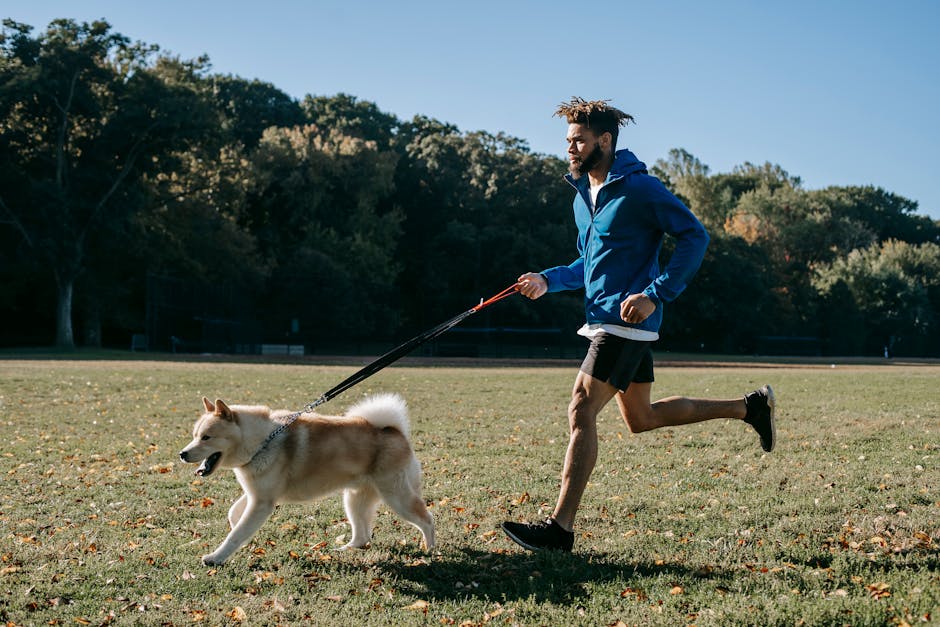
Recall, or the ability to reliably call your dog back to you, is arguably the most important command a dog can learn. It’s not just about obedience; it’s about safety. A solid recall can prevent your dog from running into traffic, chasing other animals, or getting lost. It gives you peace of mind knowing that you can control your dog’s movements, even when they’re not on a leash. Training a reliable recall takes time, patience, and consistency.
Building a Foundation of Positive Reinforcement
Before introducing any training collar, it’s crucial to establish a strong foundation of positive reinforcement. This means using rewards like treats, praise, and toys to motivate your dog and create positive associations with the desired behaviors. Here’s a step-by-step approach:
- Start with a strong verbal cue. Choose a word like “Come” or “Here” and use it consistently.
- Use high-value treats. These are treats that your dog finds irresistible. Think small pieces of cooked chicken, cheese, or hot dogs.
- Practice in a low-distraction environment. Begin indoors or in a fenced yard where your dog is less likely to be distracted.
- Say the cue and immediately reward. Say “Come,” and as soon as your dog starts moving toward you, offer enthusiastic praise and a treat.
- Gradually increase the distance. As your dog becomes more reliable, gradually increase the distance between you and them.
- Introduce distractions slowly. Once your dog is consistently responding in a low-distraction environment, start introducing distractions one at a time, such as other people, dogs, or toys.
Introducing the Dog Training Collar Responsibly

Once your dog has a basic understanding of the recall command, a dog training collar can be a valuable tool for reinforcing the behavior, especially in situations where distractions are high. It’s important to emphasize that these collars should never be used as a punishment. Instead, they should be used as a communication tool to provide gentle reminders and corrections.
One excellent option is the Jugbow Dog Training Collar with Watch-Style Remote. This collar offers several features that make it a safe and effective training aid:
- Multiple Training Modes: The Jugbow collar offers beep, vibration, and momentary shock modes. Start with the lowest level of stimulation and gradually increase it only if necessary. Many dogs respond well to vibration alone, making the shock function unnecessary.
- Long Range: With a 3300FT range, this collar is suitable for training in large open spaces, giving your dog plenty of room to roam while still remaining under your control.
- Waterproof Design: The IPX7 waterproof rating means you don’t have to worry about using the collar in wet conditions, making it ideal for outdoor adventures.
- Hand-Free Remote with 24H Time Display: The watch-style remote is extremely convenient, allowing you to keep your hands free while training. The 24-hour time display helps you keep track of your training sessions.
- Suitable for a Wide Range of Dog Sizes: Designed for dogs weighing between 10 and 120 lbs, this collar is versatile enough to be used on small, medium, and large breeds.
The Jugbow collar operates on a 3.7V 300mAh battery for the receiver and a 3.7V 350mAh battery for the remote. Both offer approximately 10 days of use per charge depending on usage frequency.
You can Check price on Amazon to see the current deal.
Properly Fitting and Using the Collar
A properly fitted collar is essential for both comfort and effectiveness. The collar should be snug enough to make contact with your dog’s skin but not so tight that it restricts breathing. You should be able to fit two fingers comfortably between the collar and your dog’s neck. When introducing the collar, let your dog wear it for short periods at first, gradually increasing the duration as they become more comfortable. Always associate the collar with positive experiences, such as walks, playtime, or treats.
Integrating the Collar into Your Training Routine
Here’s how to effectively integrate the dog training collar into your recall training:
- Start in a controlled environment. Begin in a familiar, low-distraction area.
- Use the verbal cue. Say “Come” in a clear and confident voice.
- Use the collar stimulation. If your dog doesn’t respond immediately, use a brief, low-level stimulation from the collar. Immediately release the stimulation as soon as your dog starts moving toward you.
- Reward and praise. As soon as your dog reaches you, offer enthusiastic praise and a high-value treat.
- Gradually increase distractions. As your dog becomes more reliable, gradually introduce distractions, such as other people, dogs, or toys.
- Practice in different locations. Once your dog is consistently responding in controlled environments, start practicing in different locations, such as parks, trails, or open fields.
Troubleshooting Common Training Challenges
Even with the best training techniques and tools, you may encounter some challenges along the way. Here are some common issues and how to address them:
- Dog is hesitant to come. If your dog hesitates to come, it could be because they associate the recall command with something negative, such as the end of playtime or a bath. Make sure to always end recall exercises on a positive note.
- Dog only responds in certain environments. This could be due to distractions. Gradually introduce distractions and practice in different locations to generalize the behavior.
- Collar stimulation is not effective. If your dog is not responding to the collar stimulation, it could be because the level is too low. Gradually increase the level until you get a response, but never use a level that causes your dog pain or distress. Also, ensure the collar is making proper contact with the dog’s skin.
- Dog becomes collar-wise. If your dog only responds when wearing the collar, they may have become collar-wise. To address this, occasionally put the collar on your dog without doing any training, so they don’t always associate it with work. You can also alternate between using the collar and using other training methods, such as a long leash.
Beyond Recall: Other Uses for a Training Collar
While recall is the primary reason most people use a dog training collar, it can also be helpful for addressing other behavioral issues, such as excessive barking, jumping, or digging. For example, if your dog barks excessively, you can use the collar to interrupt the behavior and redirect their attention to something else. It is important to consult with a professional dog trainer or behaviorist to develop a comprehensive training plan.
Maintaining a Positive Relationship with Your Dog
It’s crucial to remember that dog training should always be a positive experience for both you and your dog. Avoid using harsh corrections or punishment, as this can damage your relationship and create fear or anxiety. Instead, focus on positive reinforcement and create a fun and engaging training environment. Celebrate your dog’s successes and be patient with their mistakes. Remember that every dog learns at their own pace.
Considering Other Training Collar Options
While the Jugbow Dog Training Collar with Watch-Style Remote is a great choice, there are other options available depending on your specific needs. The Jugbow Dog Shock Collar 2 Dogs is another excellent option, especially if you have multiple dogs to train. This collar offers a longer 4200FT range and a security lock to prevent accidental stimulation.
You can See current deal for the two-dog system.
DIY Dog Training Games to Boost Recall Skills
Incorporating fun games into your dog training routine can make the process more enjoyable and effective. Here are a couple of DIY games to help improve your dog’s recall:
- The Hide-and-Seek Recall: Have a friend or family member hold your dog while you hide in a nearby location. Call your dog’s name using your recall cue. When they find you, shower them with praise and a high-value treat. This game helps to build excitement and enthusiasm for recall.
- The Treat Trail Recall: Create a trail of small treats leading back to you. Start with the trail close to you and gradually increase the distance as your dog progresses. Use your recall cue at the end of the trail and reward them with a jackpot of treats when they reach you.
Financial Considerations of Dog Training
Investing in dog training, whether through professional classes, private sessions, or training tools, can be a worthwhile financial decision. A well-trained dog is less likely to exhibit destructive behaviors that can lead to costly repairs or replacements in your home. Additionally, a well-behaved dog is more likely to be welcome in public places, allowing you to enjoy more activities together without worrying about potential issues. While the initial investment may seem significant, the long-term benefits of a well-trained dog can far outweigh the costs.
Long-Term Maintenance and Consistency
Achieving off-leash freedom is not a one-time accomplishment; it requires ongoing maintenance and consistency. Continue to practice recall regularly, even after your dog has mastered the command. This will help to reinforce the behavior and prevent your dog from becoming complacent. Be prepared to adapt your training techniques as your dog’s needs and abilities evolve. And most importantly, remember to always approach training with patience, understanding, and a positive attitude. A Jugbow Dog Training Collar can serve as a reliable backup tool, but the core of off-leash freedom comes from the bond you develop through consistent and loving guidance.
Conclusion
Achieving reliable off-leash recall is a rewarding experience for both you and your dog. By combining positive reinforcement techniques with the responsible use of a tool like the Jugbow Dog Training Collar, you can create a strong bond with your furry friend and enjoy the freedom of exploring the world together. Remember that consistency, patience, and a positive attitude are key to success. With dedication and the right approach, you can unlock your dog’s potential and achieve the off-leash freedom you’ve always dreamed of. Check availability on Amazon.