Three years ago, I stood in my kitchen in South Philly and watched a $300 Black+Decker handheld vacuum literally sneeze a cloud of white flour directly into my eyeballs. I had dropped a bag of King Arthur all-purpose, and instead of cleaning it up, this ‘premium’ machine decided to atomize the powder and redistribute it across my entire life. I stood there, white-faced and blinking, looking like a Victorian ghost who just lost a fight with a bakery. That was the moment I realized that price has almost zero correlation with how well a vacuum actually sucks dirt off a floor.
I’m not a professional reviewer. I work in logistics and I write this blog because I’m tired of seeing people get fleeced by marketing departments. If you’re looking for the best vacuum cleaner low price point, you need to stop looking at the shiny displays at Target and start looking at the stuff that looks like it was designed in a Soviet basement. Those are the ones that work.
The $35 miracle that shouldn’t exist
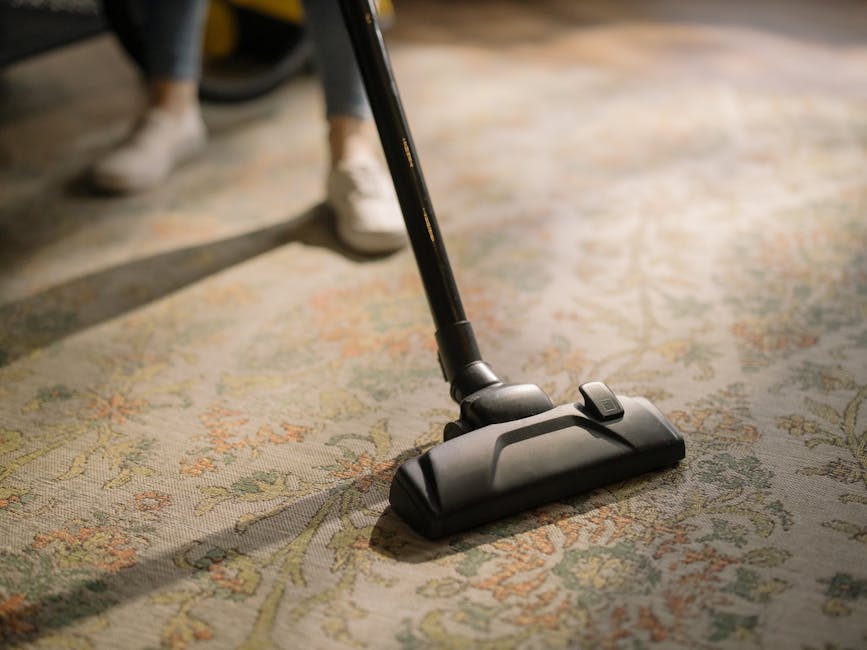
The Bissell Featherweight 2033. It costs about $34.99 depending on if Amazon is mad at you that day. It weighs about four pounds. It feels like a toy. When I first pulled it out of the box, I laughed because I thought I’d been scammed. It’s just a motor, a filter, and a plastic stick.
But here is the thing. I have timed myself. I can do my entire 800-square-foot apartment in exactly 6 minutes and 20 seconds with this thing. Because it’s so light, I actually use it. I’ve owned it for 510 days now, and it hasn’t lost a bit of suction. It’s loud as hell, though. It sounds like a jet engine is trying to take off in your hallway. If you have a cat that is easily spooked, this vacuum will probably send it into another dimension. My cat, Barnaby, still hasn’t forgiven me for the ‘Great Rug Cleaning of 2022.’
Anyway, what I mean is—actually, let me put it differently. The Featherweight is the best vacuum because it doesn’t try to be a computer. It’s just a straw with a motor attached. It’s perfect for hard floors. If you have deep-pile shag carpet, don’t buy this. You’ll just be moving dirt around like you’re raking a zen garden made of filth. But for everyone else? It’s the king.
“The more features a vacuum has, the more ways it has to fail you when you’re just trying to clean up spilled Cheerios at 7 AM.”
The cordless lie we all bought into
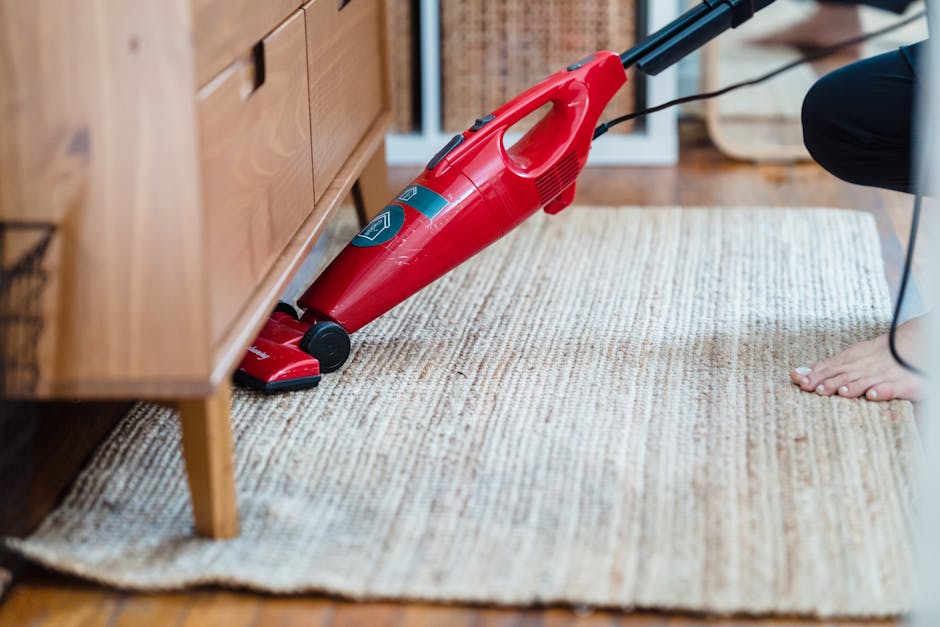
I might be wrong about this, but I think cordless vacuums are a massive scam for 90% of people. We’ve been convinced that the ‘hassle’ of a cord is worth spending an extra $400. It isn’t. Every cordless vacuum I have ever tried—including a Tineco that a friend swore by—starts losing battery life after six months. By year two, you’re rushing to finish the living room before the light starts flashing red like a bomb about to go off.
I used to think cordless was the future. I was completely wrong. Give me a 20-foot cord any day. I tracked the battery degradation on that Tineco; it went from 25 minutes of ‘Max’ suction to about 9 minutes in just under a year. That is planned obsolescence disguised as convenience. It’s offensive.
The part where I get mean about Shark
I know people love Shark vacuums. They’re the ‘affordable’ alternative to Dyson. But I hate them. I genuinely, irrationally hate them. Every time I use one, the plastic feels ‘creaky.’ You know that sound? When you turn a corner and the whole chassis groans? It feels like it’s held together by hope and clever marketing. I refuse to recommend them to my friends because I think they’re built to last exactly 13 months—just past the warranty.
Instead, if you need something for actual carpets and you don’t want to spend more than $80, get the Eureka Mighty Mite. It looks like a yellow canister from 1984. It has no ‘swivel steering.’ It has no LED lights. It just has enough suction to potentially peel the linoleum off your floor if you aren’t careful. It’s raw power. It’s like driving an old truck with no power steering—it’s a workout, but it gets the job done.
- Bissell Featherweight: Best for apartments and hard floors ($35).
- Eureka Mighty Mite: Best for people who actually have dirt to move ($80).
- Kenmore Intuition: If you absolutely must have a bagged upright ($150ish).
Why do we care so much about the brand?
I think people buy expensive vacuums because they want to feel like they have their lives together. A $600 Dyson sitting in a charging dock looks like success. A $35 Bissell leaning against a wall in the utility closet looks like you’re struggling. But my floors are cleaner than my sister’s, and she spent half a mortgage payment on her vacuum.
I’ve realized that the best vacuum is the one you don’t mind breaking. When I sucked up a penny with the Featherweight and it made a sound like a woodchipper, I didn’t panic. If that was a Dyson, I would have been on the phone with customer service for three hours. With the Bissell? I just shook it out and kept going. There’s a certain freedom in owning cheap tools that actually work.
Is the plastic on the Bissell going to yellow over time? Probably. Does the filter need to be washed by hand in the sink every two weeks? Yes, and it’s gross. But I’ve saved enough money to buy literally 10 more of them before I even hit the price of one ‘mid-range’ cordless stick vacuum.
I honestly don’t know why we keep falling for the ‘cyclonic technology’ buzzwords. Suction is suction. Don’t let a sleek commercial convince you that your dirt is special enough to require a digital motor. It’s just dust.
Buy the Bissell. Spend the other $400 on something that actually makes you happy.