Dog Containment Mistakes That Ruin Your Home (And What Works)
Has your dog destroyed a baby gate in under a week? Have you come home to chewed baseboards, a tipped wire pen, or fresh scratch marks on hardwood you just refinished?
You’re not dealing with an unusually difficult dog. You’re dealing with containment products built to a price point rather than to a standard — tools chosen by marketing language rather than by the actual size, weight, and behavior of the dog that needs to use them.
The three formats most owners cycle through — baby gates, wire crates, and wire exercise pens — each have real use cases. The problem is most buyers choose among them without understanding what each one is and isn’t built to do. This is not veterinary or behavioral advice — consult a licensed animal behaviorist for serious behavioral concerns.
Why Your Current Containment Setup Is Probably Failing
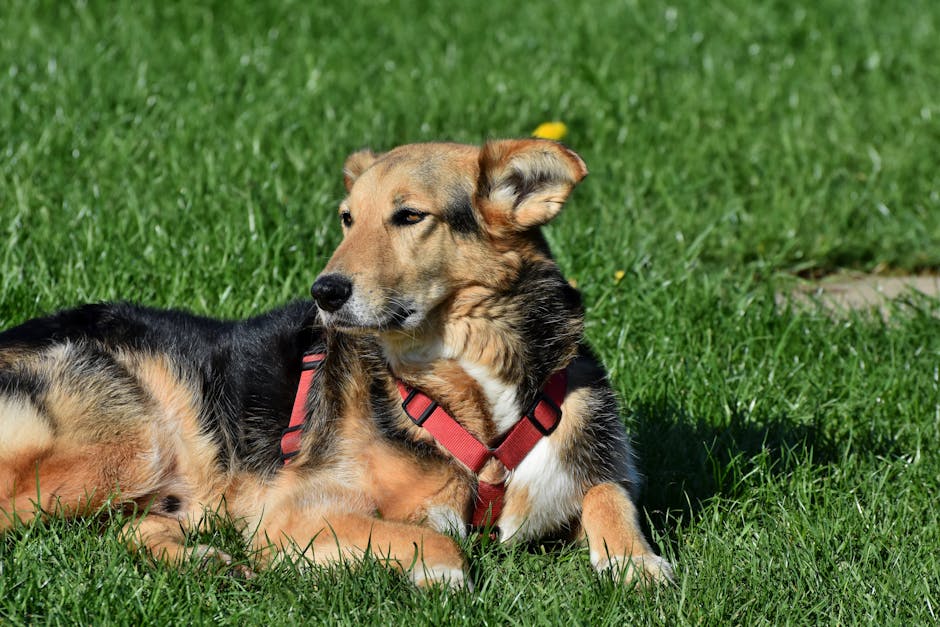
The standard wire exercise pen from a big-box pet store is built to ship at $45–$60. That price determines the gauge of steel used — typically 0.08 to 0.1 inches thick — which is adequate for toy breeds and genuinely insufficient for anything over 25 pounds that leans against walls, runs laps, or bumps barriers at speed.
Medium dogs don’t need to be aggressive to defeat a thin-gauge pen. Labrador Retrievers, Goldendoodles, and Springer Spaniels do it through ordinary daily behavior: leaning when they want attention, pressing against panels, running into enclosure walls during play. A pen rated for 30 lbs will deform under the casual pressure of a 60-lb dog within a few weeks of daily use. That’s not a product defect — it’s a specification mismatch that nobody warned you about at checkout.
Three Setup Mistakes That Cost People Real Money
Mistake one: choosing by price instead of by dog size. The IRIS USA 8-Panel Exercise Pen ($45–$60) is a genuinely solid product for Chihuahuas, Pomeranians, and small terriers. It is not built for anything over 25 lbs. Yet it gets purchased for Cocker Spaniels and Beagles because product photos don’t convey scale and listings say things like “suitable for most breeds.” Read the weight and height specs, not the marketing copy.
Mistake two: underestimating how much panel height matters. The standard 24-inch height on most budget pens works for toy and small breeds. For dogs in the 20–50 lb range, behaviorists typically recommend 30 inches minimum. For confirmed jumpers of any size — Border Collies, Jack Russell Terriers, Australian Shepherds — 36 to 40 inches is generally considered the floor. A dog that successfully clears a panel once will treat it as a reliable exit every session afterward. The successful escape reinforces the behavior in a way that’s genuinely difficult to undo without starting over entirely.
Mistake three: unstable configurations on hard floors. A loose octagon of wire panels on tile or hardwood will slide, shift, and eventually tip. This is both a flooring damage issue and a real safety concern — a collapsed pen can trap a dog in a panicked, injured position. Stability requires rubber feet, weighted bases, wall anchoring, or corner placement. Assuming a freestanding pen is stable just because it looks upright is one of the most common and costly assumptions buyers make.
Why Wire Crates Are the Wrong Answer for Daytime Confinement
Wire crates serve specific functions well: overnight sleep training for young puppies, car travel, post-surgical recovery where movement restriction is medically indicated. For extended daytime confinement — four to eight hours while an owner is at work — most veterinary behaviorists now flag crating as inadequate for adult dogs. Dogs need movement and environmental stimulation across the day. A crate solves “where do I put the dog” without addressing the dog’s welfare during that time.
The functional gap playpens fill is movement without full-house access. A well-sized eight-panel pen gives a 25-lb dog roughly 28–32 square feet — enough to stand, walk a few paces, lie down in different positions, and access a water bowl. A crate gives none of that. For households where free roam isn’t an option but genuine confinement is the goal, that distinction matters significantly over the course of an eight-hour workday.
Playpen vs. Crate vs. Baby Gate — What the Numbers Say
Each of these three formats solves a different problem. Treating them as interchangeable is the root of most containment failures.
| Feature | Dog Playpen (8-Panel) | Wire Crate | Baby Gate |
|---|---|---|---|
| Interior movement space | High — 15–35 sq ft depending on configuration | Very low — stand and turn only | Full room access |
| Indoor/outdoor use | Yes — most plastic and clear panel models | Indoor only (rusts outdoors) | Indoor only |
| Setup flexibility | High — square, rectangle, L-shape, corner-fit | None — fixed form factor | Fixed opening width only |
| Typical price range | $45–$180 | $60–$200 | $25–$90 |
| Home decor impact | Low to moderate (clear panels least intrusive) | High — industrial appearance | Low to moderate |
| Works outdoors | Yes | No | No |
For dogs that need space to move but can’t be given full-house access, playpens are the practical choice. The Carlson Extra Wide Walk-Through Pet Gate ($35–$65) is a well-built gate — but it solves a different problem. Use gates for blocking hallways or staircases. Use a pen when you need a designated, movable zone the dog can’t easily breach.
MidWest Homes for Pets makes what’s generally considered the baseline standard for wire exercise pens — their Life Stages Double Door series runs $55–$95 and is the benchmark most other wire pens are measured against. It’s well-built for the price. The limitation is the format itself: wire, visible in any room, and not suitable for outdoor use without rust developing within a season.
What Actually Matters When Choosing an Indoor-Outdoor Pen

Once you’ve settled on a playpen as the right format, seven factors separate products worth buying from products that fail within six months:
- Panel height matched to your dog’s size and behavior. Under 20 lbs: 24 inches is adequate. 20–50 lbs: 30 inches minimum. Over 50 lbs or confirmed jumpers: 36–40 inches. This is the single most critical specification — the majority of return complaints and containment failures trace directly to height mismatches.
- Panel material and visibility. Clear acrylic or polycarbonate panels allow the dog to see their environment while contained. Dogs that can see their owners through the pen consistently show lower stress indicators than dogs blocked by opaque or solid-wire barriers. For dogs with any separation anxiety tendency, visibility is a functional feature, not a cosmetic one.
- Door quality and latch security. A pen without a properly latching door forces you to step over panels at every entry and exit. That’s how connection points get kicked loose, panels gradually destabilize, and the whole structure eventually breaks. A working latch is structural, not optional.
- Floor protection hardware. Rubber or non-slip feet prevent sliding on hardwood and tile. Without them, expect the pen to migrate several inches per session. If a product doesn’t include feet, adhesive felt pads on each panel base cost under five dollars and solve the problem entirely.
- Ease of cleaning. Panels that wipe down with a damp cloth are non-negotiable for regular use. Porous or textured panel surfaces trap dog hair, dander, and moisture within days and become progressively harder to clean without full disassembly.
- Outdoor durability. For patio or yard use, UV stability and rust resistance matter. Untreated wire rusts within a season of outdoor exposure. Clear plastic panels — ABS or polycarbonate construction — hold up to sun and light moisture substantially longer.
- Enclosure area per panel count. Eight panels at 11–12 inches each form a square with roughly 28–32 square feet of interior space — appropriate for one to two small dogs in sessions up to four to five hours with water access.
The white 8-panel clear playpen at $99.99 checks most of these boxes for small-to-medium breeds under 30 lbs. The transparent panels keep the dog visually connected to the home rather than sealed off — which is the primary functional advantage over wire alternatives at this price point. The white frame blends into most interior color schemes in a way that raw wire simply doesn’t manage.
One honest limitation: at 23.6 inches, this configuration is not appropriate for Beagles, Cocker Spaniels, or any breed with a documented jumping tendency. For dogs over 30 lbs or confirmed jumpers, the 36-inch panel options run $140–$180 and are a better fit. Comparable products from Frisco (Chewy’s in-house brand) run $85–$105 but use wire panels — functionally similar for containment, different in appearance and outdoor longevity.
The One Behavioral Problem Playpens Don’t Fix
Physical containment doesn’t stop barking. A dog that reacts to confinement with sustained vocalization will do it in a well-built clear pen just as reliably as in a cheap wire one. This is what most playpen buyers discover around day three.
Confinement barking is typically attention-seeking or separation-related. The standard behavioral approach — consistent ignoring until the behavior extinguishes — works, but takes days to weeks and requires consistency that’s genuinely difficult in apartments or households with noise sensitivity. An ultrasonic bark deterrent with six adjustable training modes and a 23-foot range ($12.99) gives you an interrupt tool that doesn’t require physical intervention. The high-frequency tone is inaudible to humans and mildly aversive to most dogs — enough to break the bark cycle without causing distress.
These devices work best on dogs under three years old with newer barking habits. Dogs with established vocalization patterns spanning two or more years generally show lower response rates. Use it as a bridge tool during the first weeks of pen training, combined with positive reinforcement for quiet behavior — not as a standalone fix.
Setting Up a Playpen That Doesn’t Take Over Your Space
Where in the room should I place the pen?
Corner placement consistently outperforms center-of-room placement for two concrete reasons. First, two walls provide structural support for two sides of the pen, dramatically reducing sliding and tipping risk. Second, corner positions align with natural denning behavior — dogs typically settle faster and show less restlessness in corner-positioned pens than in open-floor configurations. It’s a small placement decision with a noticeable behavioral payoff.
Avoid high-traffic corridors. Repeated near-approach events — people walking past within two or three feet — register as a continuous low-grade stress trigger for confined dogs, particularly those with any anxiety tendency. A quieter corner of the living room or a dedicated side room produces better long-term outcomes.
How do I stop the pen from sliding on hardwood floors?
Two approaches work consistently. A non-slip rug pad cut to fit the pen footprint ($10–$20 at any hardware store) stabilizes the entire structure and gives the dog better traction inside the enclosure — especially useful for puppies and senior dogs with reduced joint stability. Alternatively, adhesive rubber feet applied to each panel base work at the contact points. The rug pad approach is generally more reliable because it distributes load across the full footprint rather than at isolated points that can still shift.
Can I move the pen between indoors and outdoors?
Yes, with surface-specific adjustments. On grass, use tent stakes or 12-inch landscape anchor pins through the panel bases at corners — dogs that dig will work under an unsecured pen within a single session. On concrete or patio tile, the pen’s own weight plus friction typically provides adequate stability without additional anchoring. Keep the pen out of direct afternoon sun during summer: enclosed spaces heat faster than open ground, and heat stress in confined dogs is a genuine welfare risk that develops more quickly than most owners expect.
How long can a dog realistically stay in a playpen each day?
Adult dogs over 18 months generally manage four to six hours in a correctly sized pen with water access. Puppies under six months should not be confined longer than two to three hours — their bladder control is developmentally insufficient for longer periods, and extended confinement creates housetraining setbacks that take months to correct. This is physiology, not preference.
Pairing pen time with enrichment makes a measurable difference. Puzzle feeders — the Kong Classic filled with frozen kibble, the Outward Hound Hide-A-Squirrel, or Nina Ottosson treat puzzles — placed inside the enclosure significantly reduce restlessness. A contained dog with an engaging task is a fundamentally different behavioral situation than a contained dog staring at four walls.
Pet containment design is improving steadily. Clearer materials, more configurable panel systems, and products built to integrate into real home aesthetics rather than fight against them are already on the market and getting better. The gap between functional containment and something you’d actually choose to put in your living room has been closing for years — and that shift matters, because a setup you’re willing to use consistently is the only setup that actually works.
Disclaimer: The information on this page is for educational purposes only and does not constitute financial advice. Rates, terms, and eligibility requirements are subject to change. Always compare multiple lenders and consult a licensed financial advisor before borrowing.