Baby Clothing on a Budget: What New Parents Actually Need
The average American family spends between $600 and $900 on baby clothing in the first year. Most of that is wasted. Here is a clear-eyed breakdown of where the money goes, which brands deliver real value, and what a rational first-year clothing budget actually looks like.
This is not financial advice. Prices reflect approximate retail values as of 2026 and vary by retailer.
How Much New Parents Actually Spend on Baby Clothes — and What Is Defensible
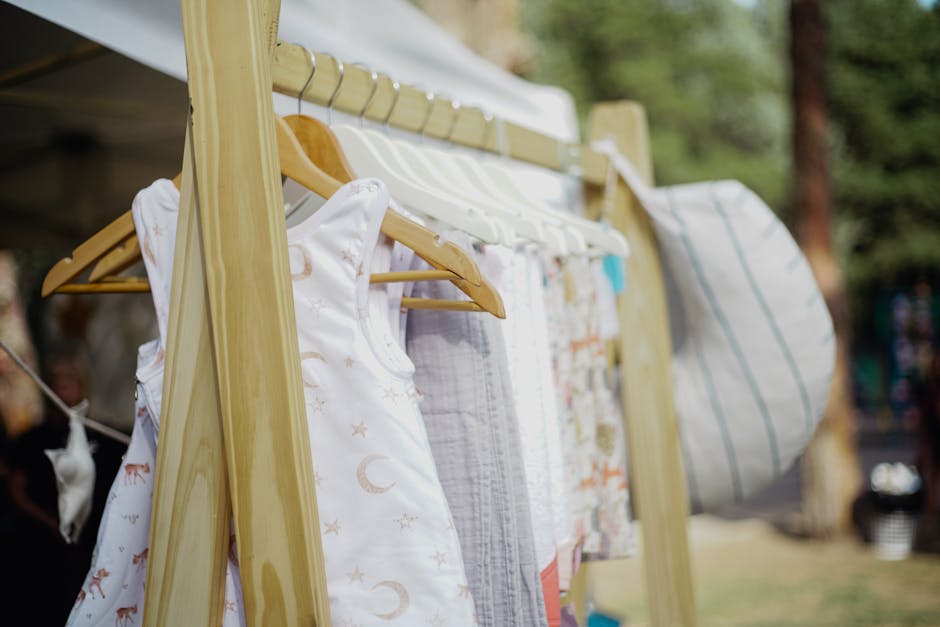
Baby clothing is a $5+ billion annual market in the US. It is also one of the most reliably over-purchased categories for new parents, driven by baby shower gifts, impulse buys, and genuine uncertainty about what infants actually need.
The marketing here is aggressive and emotionally sophisticated. Brands know new parents are sleep-deprived, anxious, and highly motivated to provide for their child. Words like “organic,” “hypoallergenic,” and “premium” are applied liberally to price points that often do not reflect proportional improvements in safety or quality.
Here is what the actual spending breakdown looks like, and what is reasonable:
| Age Range | Average Parent Spends | Reasonable Budget | Core Items Needed |
|---|---|---|---|
| 0–3 months | $150–$250 | $40–$70 | 6–8 onesies, 3–4 sleepers, 2 rompers |
| 3–6 months | $100–$180 | $50–$80 | 8 onesies, 4 outfits, 2 sleeper sets |
| 6–12 months | $150–$200 | $60–$100 | 10–12 items total, 4–5 pajama sets |
| 12–18 months | $120–$180 | $50–$80 | Mix of tops, bottoms, one-pieces |
| 18–24 months | $100–$150 | $50–$75 | Separates become more practical |
The $400 Gap — Where It Actually Comes From
The difference between “average parent spends” and “reasonable budget” above is roughly $300–$400 over two years. That gap does not come from buying unsafe items or cutting corners on quality. It comes from three patterns: overbuying newborn sizes, purchasing coordinated occasion outfits worn once before the baby outgrows them, and buying seasonal items in advance that miss the size window entirely.
Carter’s, Old Navy Baby, and Target’s Cat & Jack line all use volume deal structures — “buy 5 for $30” and “5-pack bodysuits for $20” — that feel like savings but encourage buying more than any baby actually needs. Six onesies is plenty for 0–3 months. Most parents own fifteen.
What a Lean Baby Wardrobe Actually Looks Like
For each size range, aim for: 6–8 bodysuits or onesies, 2–3 rompers or 2-piece sets, 2–3 pajama sets, and one weather-appropriate layer. That is it. A baby wearing the same striped onesie three times a week does not know or care. Rotate laundry every 2–3 days and you genuinely do not need more than 8–10 items per size. Anything beyond that is convenience — and it is a convenience with a real dollar cost across multiple size transitions.
The Newborn Size Trap: How to Avoid Buying Clothes Worn for Six Weeks
Skip 0–3M clothing almost entirely before your baby is born. Most full-term babies arrive between 7–9 lbs and outgrow newborn and 0-3M sizes within six to eight weeks. That is roughly 40–50 wears per item before the size is done.
The math on pre-purchasing newborn clothes is genuinely bad. Ten newborn outfits at $12 each equals $120. If each is worn five times before the size is outgrown, that is $2.40 per wear. A 6M romper worn 20 times at the same price is $0.60 per wear. Same fabric, same brand, four times better cost efficiency — just by shifting to the right size.
The smarter move: have 4–5 newborn items on hand before birth (these will arrive as gifts anyway), keep a saved online cart in 3–6M sizes ready to order in the first week home if needed, and buy nothing else in newborn sizing in advance. The one exception is a December baby in a cold climate — you will need a going-home outfit and a warm layer that actually fits. Buy 2–3 weather-specific newborn items and accept the limited wears as a necessary cost. That is a fundamentally different situation from buying a drawer full of newborn onesies because they look adorable in October.
If your OB estimates a smaller birth weight under 7 lbs, adjust accordingly. That is the only other scenario where stocking newborn sizes makes real financial sense.
Cotton, Bamboo, or Synthetic: What Baby Clothing Fabric Actually Delivers
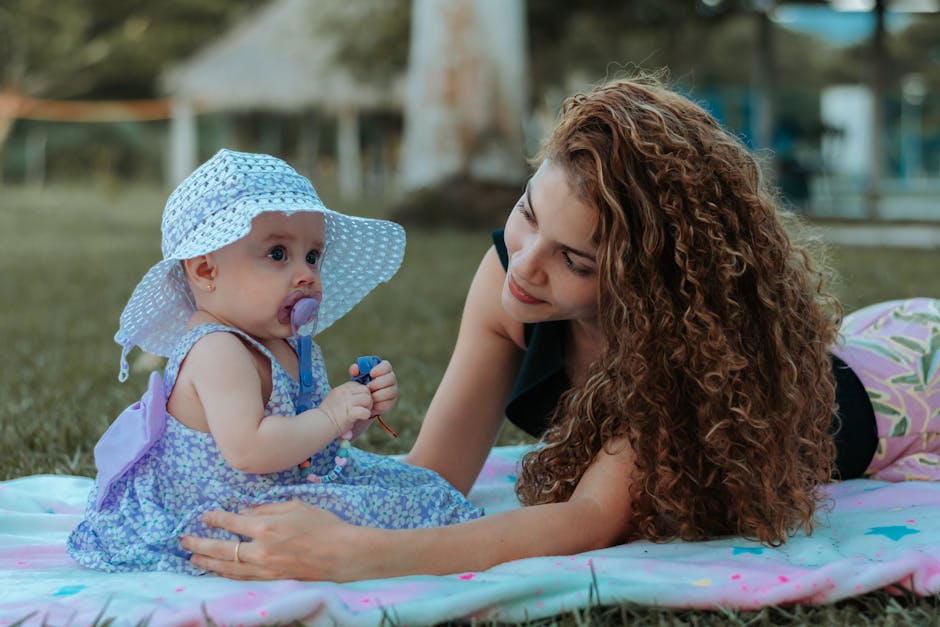
The fabric question drives enormous price variation in baby clothing. A cotton romper from Carter’s runs $10–$14. An equivalent item from Kyte Baby in bamboo viscose runs $28–$38. Is that premium justified? Sometimes. Here is how to think about it honestly.
Is 100% Cotton Worth Prioritizing?
For bodysuits, rompers, and anything touching baby’s skin for extended periods — yes. Cotton breathes better than polyester, which matters because infants’ temperature regulation is not fully developed until around 12 months. It also has lower irritation rates for babies prone to eczema or contact dermatitis, which affects roughly 20–25% of infants according to the American Academy of Dermatology.
The Jimonda Baby Bubble Rompers ($19.99 for a 2-piece cotton set, available in 0–3 months sizing) are made from 100% cotton — the right call for a daily-wear romper at that price point. Carter’s 5-pack bodysuits use a cotton-spandex blend at similar prices, adding stretch while slightly reducing breathability. Neither is wrong. The 100% cotton option is the better call if your baby already shows signs of sensitive skin. Otherwise the functional difference is minimal day-to-day.
Bamboo: When the Premium Is Actually Defensible
Bamboo viscose is genuinely softer than standard cotton and has natural moisture-wicking properties that help with temperature regulation during sleep. Kyte Baby pajama sets run $28–$34 per set. Little Sleepies sells bamboo 2-piece sets at $32–$40. Burt’s Bees Baby organic cotton closes most of that functional gap at $18–$24 per set. For most babies, the Burt’s Bees price point delivers the critical benefits without paying the full bamboo premium.
Bamboo is worth the extra cost in one specific situation: a baby who sweats heavily during sleep and wakes up repeatedly from discomfort. For everyone else, well-fitting cotton pajamas at $12–$18 are sufficient.
When Synthetic Blends Are Completely Fine
Polyester blends are appropriate for outerwear, swim layers, and seasonal items not worn directly against skin all day. They are also more durable through heavy wash cycles, which matters if you plan to resell or pass clothing down. The problem is synthetic-dominant fabrics used for bodysuits and pajamas that stay on for 12+ hours. That is the one context where fabric choice carries a real functional impact — and where cotton wins on breathability and comfort.
Four Sizing Mistakes That Quietly Drain Baby Clothing Budgets
- Buying by age label instead of weight range. Every baby clothing item has a weight range printed inside the collar alongside the age label. A 5-month-old weighing 18 lbs needs 9M or 12M clothing, not 6M. Ignoring the weight range is the single most reliable way to end up with a drawer full of clothes that never get worn because they fit for three days before the baby moves on.
- Stocking up heavily on one size. Growth spurts are unpredictable. Some babies skip a size almost entirely — particularly 3–6M. Buy 6–8 items in the current size and 2–3 in the next size up. Restock as needed rather than loading an entire size in advance based on a developmental milestone schedule your baby has not read.
- Buying seasonal clothes for a future size. A winter jacket bought in October for the size your baby “should be in” by December may not fit until February, when the season is ending. Buy for the size your baby is now, adjusted for current weather. Predicting both the growth timeline and the weather window is genuinely unreliable — do not try.
- Ignoring fastener design as a practical factor. Snaps, zippers, and buttons have meaningfully different usability at 3am. Zipper sleepers allow the fastest diaper changes in low light. Button-front rompers allow partial undressing without removing the whole outfit — useful for warmer days and doctor visits. This affects how often you actually reach for an item. A beautiful snap-front outfit that takes four minutes to change in the dark gets used twice. A zipper sleeper that takes 45 seconds gets used nightly.
These four mistakes compound. A parent who overbought newborn sizes, pre-loaded seasonal items in the wrong projected size, and ignored weight ranges can easily spend $200 on clothes with a combined cost-per-wear above $3.00. That is an expensive lesson available for free right here.
One-Pieces vs. Separates: A Real Cost-Per-Wear Breakdown
The format of baby clothing — one-piece vs. separates — has a direct, calculable impact on spending across the first two years. Here is the math.
| Clothing Format | Typical Price | Est. Wears Before Outgrown | Cost Per Wear | Best Age Range |
|---|---|---|---|---|
| Cotton romper / one-piece set | $10–$20 | 18–28 wears | $0.40–$0.90 | 0–12 months |
| Snap-bottom bodysuit (onesie) | $4–$9 each | 22–35 wears | $0.13–$0.40 | 0–18 months (layering) |
| Separates (top + bottom set) | $12–$30 per set | 10–18 wears per piece | $0.70–$1.50 | 12 months and up |
| Coordinated occasion outfit | $20–$60 | 1–3 wears | $7.00–$60.00 | Any age (low value) |
Why One-Pieces Win in the First Year
For babies under 12 months, one-piece rompers and bodysuits consistently deliver the lowest cost-per-wear. They are faster to put on a non-cooperative infant, eliminate the risk of losing individual pieces in the laundry, and require no coordination effort. A 2-piece cotton romper set like the Jimonda Baby Bubble Rompers at $19.99 covers a complete outfit at a cost that is competitive with buying a Carter’s bodysuit ($6–$9) plus matching pants ($8–$12) purchased separately — two pieces that may not even fit the same way at the same age label.
The practical argument is equally strong. Separates come apart during rolling, crawling, and diaper changes. One-pieces do not. Below 12 months, there is no meaningful functional reason to choose separates over one-pieces except for specific photo occasions or personal preference.
When Separates Make More Financial Sense
Once your child is walking — typically 12–18 months — separates become the more practical and financially flexible option. Pants take more daily abuse than tops. Buying them separately lets you replace just the worn-out piece rather than a full coordinated set. Target’s Cat & Jack offers toddler bottoms for $8–$12 and tops for $6–$10, giving you real mix-and-match flexibility without paying the premium for branded coordinated sets your toddler will destroy regardless.
Bottom Line: Ages 0–12 months, prioritize one-pieces and bodysuits — the cost-per-wear advantage is real. Ages 12 months and up, separates offer better replacement flexibility. Occasion outfits at any age have the worst cost-per-wear ratio in the entire baby clothing category. Borrow them or skip them.
Baby Sleepwear: Where Federal Safety Requirements Change the Price Math
Sleepwear is the one baby clothing category where federal regulations directly shape your buying options — and influence price points in ways that are not always obvious at the shelf.
The Consumer Product Safety Commission (CPSC) requires that infant and toddler sleepwear either be flame-resistant or conform to snug-fit sizing standards using 100% cotton. This is why you see labels reading “snug fit for safety — not flame resistant” on cotton pajamas from Carter’s, Old Navy Baby, Gerber, and Jimonda. These items are legal and safe. They rely on fit rather than chemistry to meet the CPSC standard.
Snug-Fit Cotton Pajamas: The Budget Choice That Meets the Same Standard
For most families, snug-fitting cotton pajamas are the rational default. They meet CPSC requirements, avoid flame-retardant chemical treatments (a preference for many parents), and land at $12–$18 per set across all major brands.
The Jimonda Baby/Toddler Soft Sleepwear 2-piece set ($14.99 at 3T sizing, short-sleeve shirt and shorts in a tie-dye colorway) fits squarely in this category — snug-fit cotton construction, no added flame-retardant chemicals, competitively priced for toddler sleepwear. Carter’s snug-fit cotton 2-piece sets run $14–$18 at comparable sizing. Gerber’s 2-piece pajama options land at $12–$16. All three meet the same regulatory standard. The decision between them is about fabric softness, print preference, and sizing consistency — not safety performance, which is identical across this tier.
Flame-Resistant Pajamas: The Premium Tier, Explained Honestly
Flame-resistant pajamas typically use polyester construction with inherent (not chemically-added) flame resistance built into the fiber. Hanna Andersson sells these at $32–$38 per set. Pottery Barn Kids runs $28–$42. These are genuinely well-made garments that hold up through multiple children if cared for correctly — which is the only scenario where the premium math actually works out.
A $35 Hanna Andersson pajama set for a single child who outgrows it in three months is hard to justify when a $15 snug-fit cotton set meets the same CPSC safety requirement. The premium is defensible when you have three children and will pass pajamas down across five-plus years of use, changing the cost-per-wear calculation entirely. For a first or only child, cotton snug-fit pajamas from Gerber, Carter’s, or Jimonda are the financially rational choice with no meaningful safety tradeoff.
Bottom Line: A Realistic First-Year Baby Clothing Budget
Spend $200–$300 total on baby clothing for the first 12 months. That target is achievable by skipping most pre-birth newborn-size purchases, building your core wardrobe around cotton onesies and one-piece rompers in the $10–$20 range, and holding off on separates until 12 months. Brands like Jimonda, Carter’s, Burt’s Bees Baby, and Gerber all meet the cotton quality standard at prices that keep you well inside that budget. Reserve the $35 Hanna Andersson sleepwear tier for multi-child households where durability pays off over time — for everyone else, $14 cotton pajamas that meet the exact same federal safety standard are the right call.
This is not financial advice. Product prices and availability change frequently. Always verify current pricing before purchasing.
Disclaimer: The information on this page is for educational purposes only and does not constitute financial advice. Rates, terms, and eligibility requirements are subject to change. Always compare multiple lenders and consult a licensed financial advisor before borrowing.