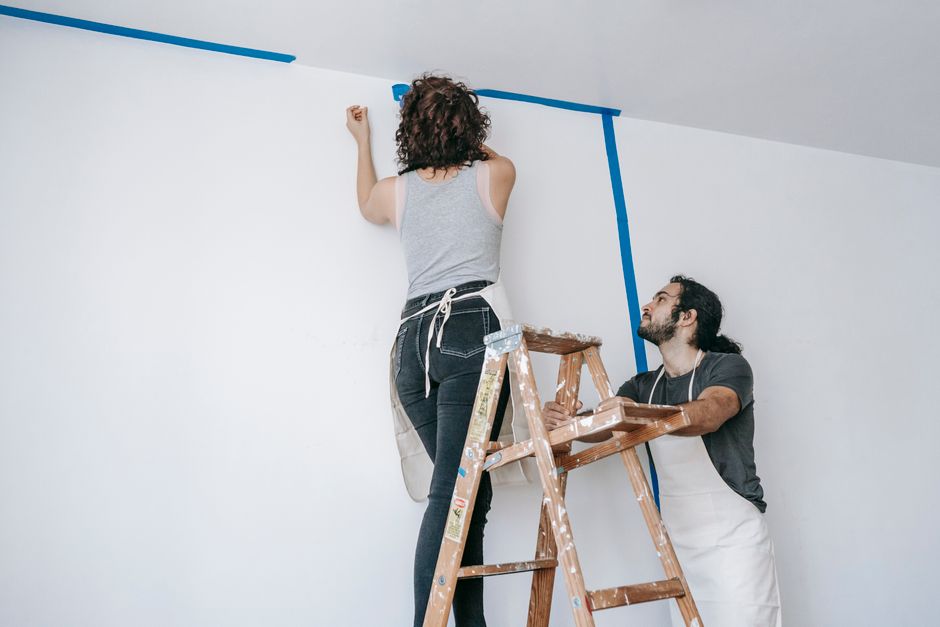
Most renovation guides are written for 2,000 sq ft Western homes with basements and garages. Your 3BHK in Pune or 2BHK in Bengaluru has completely different constraints — monsoon humidity, load-bearing walls you can’t touch, and a family that needs the kitchen functional by tomorrow morning. Here is what actually moves the needle.
Modular Kitchen vs. Carpenter-Built: The Numbers Don’t Lie
This is the renovation most Indian homeowners get wrong. They either overspend on a modular kitchen they didn’t need, or they go with a local carpenter and regret the finish quality two years later.
The honest answer: modular makes sense for apartments under 15 years old with standard cabinet measurements. Older homes with irregular walls usually need a carpenter anyway — modular carcasses don’t accommodate non-perpendicular corners gracefully.
| Brand | Price Range (per linear foot) | Material | Lead Time | Best For |
|---|---|---|---|---|
| Sleek (Asian Paints) | ₹1,800–₹4,500 | HDHMR board | 3–4 weeks | Mid-range apartments |
| Godrej Interio | ₹2,200–₹6,000 | E0 MDF + stainless steel | 4–6 weeks | Premium finish, long warranty |
| IKEA India | ₹1,500–₹3,500 | Particleboard | 2–3 weeks | Budget flats, self-assembly |
| Local Carpenter | ₹900–₹2,000 | Plywood + laminate | 2–3 weeks | Irregular walls, fully custom sizes |
What the price per linear foot actually includes
Most quotes from Sleek or Godrej cover lower cabinets only. Upper cabinets, the countertop, the sink, and the chimney are separate line items. A ₹1,800 per linear foot kitchen for a 10-foot layout lands at ₹2.5 lakh once everything is added. Granite countertops run ₹180–₹450 per sq ft. Quartz runs ₹350–₹750. Plan for the full number, not the headline number.
The hardware upgrade that is always worth it
Hettich or Häfele soft-close hinges and drawer channels add ₹8,000–₹15,000 to any kitchen. The difference between cheap hinges and quality ones is the difference between a kitchen that still feels solid at year seven and one that starts sagging by year three. If a contractor suggests skipping them to save money, decline.
Material that matters most in Indian kitchens
Moisture resistance. Indian kitchens deal with steam, humidity, and water splashes daily. MR (moisture resistant) plywood or HDHMR board holds up. Standard particleboard swells and delaminates. If a carpenter quotes regular commercial plywood to trim ₹10,000 off the bill, that is not a saving — it is a problem deferred by two years.
False Ceilings Are the Highest-ROI Upgrade in Indian Apartments
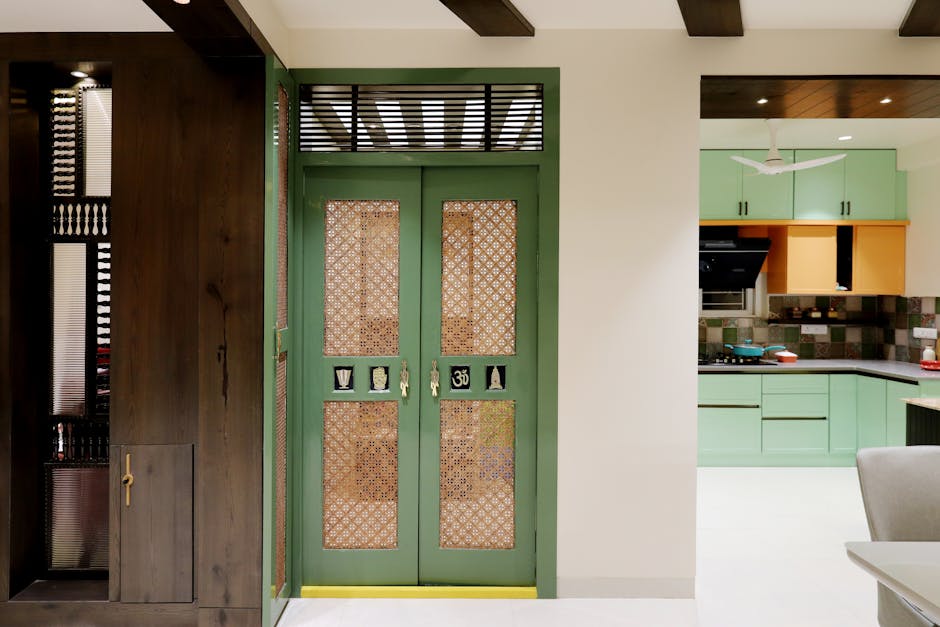
No single change transforms a flat’s appearance faster than a well-executed false ceiling. It hides the web of wires, old AC trunking, and uneven plaster that most Indian apartments accumulate over years. It creates cove lighting that makes a room feel genuinely designed rather than furnished. And it costs less than most people assume.
Gypsum board false ceilings run ₹65–₹110 per sq ft installed. A standard 12×12 ft living room with a flat ceiling and perimeter cove lighting costs ₹9,000–₹16,000 total. That is not a large sum for what looks like a complete visual overhaul in every photograph of the room.
Gypsum vs. POP vs. Calcium Silicate — pick right the first time
Gypsum board from Saint-Gobain Gyproc or USG Boral is the correct choice for most urban apartments. It is lightweight, fire-resistant, and the finish is crisp. POP (Plaster of Paris) was the standard for years but takes longer to set, is heavier on the structure, and develops hairline cracks more readily after a few monsoon cycles. Calcium silicate boards are specifically for bathrooms and high-humidity spaces — they don’t warp where gypsum would.
The most common mistake homeowners make is going too elaborate. Multi-level ceilings with five lighting zones look striking in renders but become maintenance headaches in practice. An LED strip in a perimeter cove — ₹800–₹1,200 per linear foot including strip, driver, and channel — does more for the room’s ambience than most complex multi-tier designs at three times the cost.
Lighting placement is the whole point
The false ceiling is just a vehicle for lighting. Use warm white (2700K–3000K) LED strips in the cove and cool white (4000K) downlights directly below task areas. Install a dimmer — Anchor Roma or Legrand make reliable ones for ₹600–₹1,200. A dimmable cove light changes the entire character of a room depending on the time of day. No other single fixture achieves that.
Critical coordination: the electrician and ceiling contractor must plan conduit placement before any ceiling board goes up. Contractors who pull wires after the ceiling is installed create access problems that stay problems for the life of the ceiling. Get this sequencing in writing before work starts.
Living Room Upgrades That Don’t Require Demolition
Not every renovation needs a contractor. These five changes cost under ₹30,000 combined and make a measurable difference in how the space actually feels.
- Repaint with a feature wall. Asian Paints Royale or Berger Silk on all walls runs ₹18–₹35 per sq ft. Pick one wall in a deeper tone — warm terracotta, dark teal, or charcoal — and keep the other three in a lighter neutral. Total cost for a 15×12 ft room including labour: ₹8,000–₹14,000.
- Replace the ceiling fan. Older fans draw 75–80W and hum noticeably. A Havells Efficiencia Neo or Orient Aeroslim runs at 28–35W and moves equivalent air. In most Indian homes the fan runs 8–10 hours a day. The electricity savings recover the ₹4,000–₹7,500 cost in under three years.
- Fix the sofa before replacing it. Reupholstery by a skilled local karigar costs ₹8,000–₹18,000 depending on fabric and sofa size. A comparable new sofa from @home or Pepperfry costs ₹25,000–₹60,000. If the frame is structurally sound, reupholstering is almost always the smarter financial decision.
- Add a jute or dhurrie rug. Bare floor rooms echo and feel unfinished regardless of how expensive the tiles are. A 6×4 ft jute rug from FabIndia costs ₹3,500–₹6,000. It anchors the furniture arrangement and adds texture that photographs well.
- Deal with the wire situation. TV cables, set-top box wires, and charging cords running along baseboards are the fastest way for a room to look unfinished regardless of everything else. Legrand DLPlus cable raceways in white or off-white run ₹100–₹180 per meter. One afternoon and ₹2,000 in materials changes the room’s finish level noticeably.
The Bathroom Renovation That Actually Pays Off
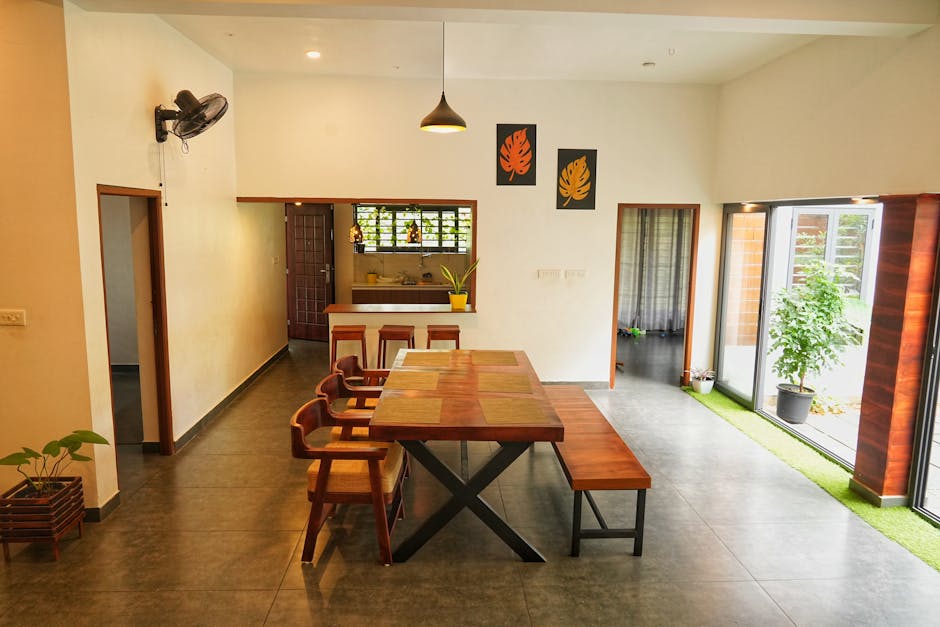
Skip the full gut renovation unless a plumbing problem is forcing your hand. The single upgrade with the highest visible return in an Indian bathroom is replacing the sanitary ware and fittings — the WC, basin, and shower mixer — while keeping the existing tiles. A Jaquar shower mixer runs ₹3,500–₹8,000. A Hindware or Cera wall-hung WC runs ₹8,000–₹15,000. New fittings against old tiles still looks 70% new. A full tile rip-out adds ₹40,000–₹80,000 and weeks of dust for a result that is 100% new. Decide whether that gap justifies it before you commit.
Where Indian Home Renovations Go Wrong
These mistakes cost homeowners lakhs every year. Most are entirely avoidable with a bit of process discipline upfront.
Why do renovations always go over budget?
Because the quote you received was a scope-limited quote, not a total cost estimate. The contractor quoted for the specific work you asked about. He did not quote for seepage repair that became visible after tile removal, the additional electrician visit required when old wiring couldn’t support new load, or the extra material needed because your wall wasn’t perfectly plumb. Add 20% contingency to every renovation budget. Not 10%. Twenty.
Is monsoon season actually a bad time to renovate?
For outdoor work or fresh masonry that needs to cure — yes, avoid it. Interior structural work is mostly fine. But woodwork and paint should not happen during peak monsoon humidity, which runs June through August in most Indian cities. Wood absorbs ambient moisture and swells at joints. Paint applied over humid walls peels within a year even with good primer. If you are laying wooden flooring or getting cabinetry installed, October through February is the window to aim for.
Should you hire a design-build contractor or keep them separate?
Separate them for any project over ₹5 lakh. A designer — even a freelancer from Urban Company’s design service — creates drawings and material specifications. You then take those specs to three contractors for competitive quotes. When a single person designs and executes, there is no independent check on whether the premium material they’re recommending is genuinely better or simply more profitable for them to supply. The designer’s fee pays for itself in contractor accountability alone.
What about Vastu compliance?
If Vastu matters to your household, bring it into the design conversation before demolition starts — not after. Moving a kitchen from a non-compliant corner once the layout is already set costs significantly more than designing the position correctly the first time. The cost of retrofitting Vastu compliance post-construction is real regardless of your views on the practice.
Flooring Options for Indian Homes: A Direct Comparison
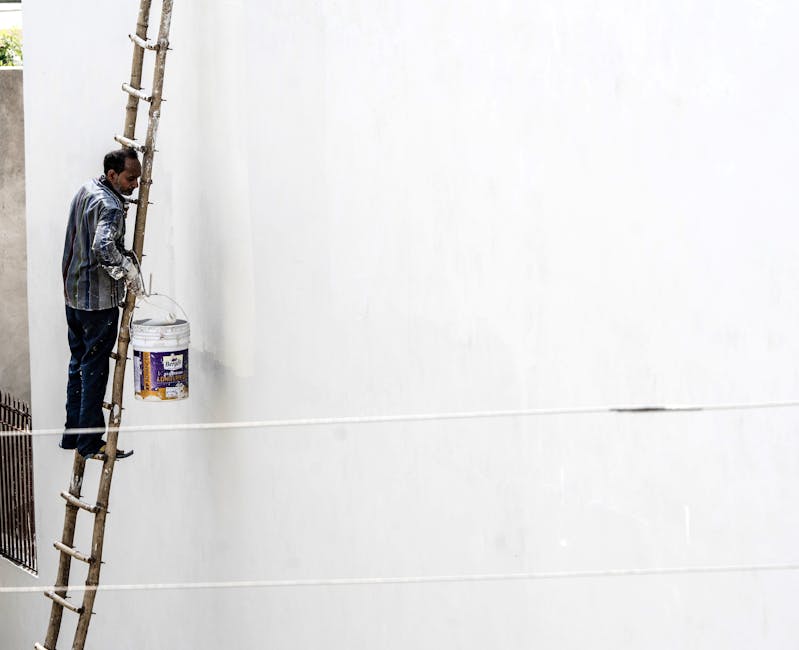
Indian homes have a specific durability problem: grit. Road dust, sand tracked in from monsoon runoff, and general particulate scratch flooring faster than in most other countries. Choose flooring that hides surface micro-abrasions or is easy to maintain. Flooring that shows every scuff is the wrong choice regardless of how it photographs.
| Flooring Type | Installed Cost (₹/sq ft) | Best Application | Weakness in Indian Context | Brands |
|---|---|---|---|---|
| Large-format vitrified tiles | ₹55–₹120 | Living rooms, bedrooms | Cold underfoot in North India winters | Kajaria, Orientbell, Nitco |
| Engineered wood | ₹120–₹250 | Bedrooms, low-traffic areas | Moisture warping in coastal cities | Pergo, Greenlam, Greenply |
| Laminate | ₹70–₹140 | Budget bedrooms | Swells at joints with any water contact | Kronotex, Action Tesa |
| Indian marble | ₹90–₹180 | Formal living, traditional homes | Stains easily, needs annual sealing | Makrana, Kishangarh varieties |
| Luxury Vinyl Plank (LVP) | ₹85–₹160 | Kitchens, bathrooms, full-home | Newer market, fewer local options | Beauflor, Armstrong India |
Why large-format vitrified tiles win for most Indian apartments
For the majority of Indian apartments, 800x800mm or 600x1200mm vitrified tiles from Kajaria or Orientbell are the correct answer. Waterproof. They last decades with minimal care. The larger format means fewer grout lines, which means fewer channels for dirt accumulation. Stay in the ₹80–₹100 per sq ft material range. Below ₹50, the finish quality and lippage between tiles becomes visible and stays visible.
When engineered wood actually makes sense
Bedrooms only — and only if you’re not in Mumbai, Chennai, or Kochi, where ambient humidity causes swelling even in moisture-resistant products. In Bengaluru, Delhi, or Pune, especially in air-conditioned bedrooms, engineered wood from Pergo or Greenlam provides warmth and acoustic softness that no tile can match. Budget ₹150–₹200 per sq ft for material plus installation, and keep it away from any area that sees wet feet.
What a ₹3 Lakh vs. ₹10 Lakh Renovation Actually Gets You
Most Indian homeowners either under-budget or over-scope their renovations. The gap between what people expect at a given budget and what contractors can realistically deliver is where most disappointment originates. Here is an honest breakdown for a 2BHK of approximately 900–1,100 sq ft in a Tier-1 city.
| Budget | What Is Realistically Achievable | What Is Not Possible |
|---|---|---|
| ₹1.5–₹3 lakh | Full repaint, false ceiling in one room, new lighting, basic bathroom fitting replacement | New flooring, kitchen renovation, any structural work |
| ₹3–₹6 lakh | Modular kitchen (basic spec), full repaint, false ceilings across living and bedrooms, bathroom fittings | Full flooring replacement, premium kitchen finishes, multiple room overhauls simultaneously |
| ₹6–₹12 lakh | Kitchen plus bathrooms plus flooring plus paint plus false ceilings in primary rooms | High-end premium materials throughout, custom furniture, structural modifications |
| ₹12 lakh and above | Comprehensive renovation with quality materials and experienced contractors across the full flat | Structural modifications without separate budget allocation |
The ₹6–₹12 lakh range is the realistic sweet spot for a renovation that feels complete rather than piecemeal. Below ₹3 lakh you are doing cosmetic work. That is not inherently a bad outcome — cosmetic work done well looks excellent — but manage expectations accordingly.
One number most homeowners miss: labour accounts for 35–45% of total renovation cost in Indian metros. The same scope that costs ₹8 lakh in Mumbai costs ₹5 lakh in Hyderabad and around ₹4 lakh in Jaipur. Material costs stay roughly stable nationally; labour is the variable.
Get everything in writing before work begins. Scope, materials with brand names and grades specified, timeline with milestones, and payment schedule tied to completion stages — not to calendar dates. Contractors who resist a written contract before starting work are communicating something worth hearing.
Quick Reference: Where to Spend vs. Where to Save
| Worth Spending More On | Worth Saving On |
|---|---|
| Kitchen hardware (Hettich or Häfele hinges and channels) | Cabinet interior laminate grade (mid-range is sufficient) |
| Tile quality (mid-range Kajaria or Orientbell) | Premium tile brand markups beyond the mid-range |
| Electrical work (no shortcuts on wiring gauge or conduit) | Decorative accessories and styling items |
| Bathroom fittings (Jaquar or Cera mid-range) | Exhaust fan brand when basic specs are identical |
| False ceiling lighting (quality LED driver and strip) | False ceiling design complexity beyond cove lighting |