My first studio had a bed that folded out of a cabinet. Sounded smart. In practice, I had to move the coffee table, push the sofa against the wall, and pray nothing fell off the shelves every single night. After three studios and twenty-something pieces of “space-saving” furniture, I can tell you which ones earn their square footage and which ones just look good in renderings.
Here are the 10 pieces I’d buy again — and the ones I’d skip.
Why Most “Space-Saving” Furniture Fails in Real Studios
Most brands sell you a dream: one piece, five functions. What they don’t tell you is that switching between those functions takes 45 seconds of wrestling with latches, or that the “desk” is too shallow for a laptop. I’ve seen it happen with three different Murphy bed units from two different companies.
The real problem is daily friction. If transforming a piece of furniture takes more than 10 seconds, you stop using it. I know a guy who slept on a mattress on the floor for six months because his wall bed mechanism jammed. The same logic applies to fold-down desks, expandable tables, and sofa beds. Speed of transformation matters more than the number of claimed functions.
Another failure mode: weight and stability. A foldable desk that wobbles when you type is worse than no desk at all. I tested a popular Amazon model rated for 50 pounds — it flexed under a 12-pound laptop. The hinge design was the culprit, not the materials. Always check the mechanism, not just the photos.
Here’s the rule I use now: if a piece can’t be transformed in one smooth motion without moving other furniture, it doesn’t go in my apartment. That cuts out about 60% of what’s on the market.
The 10 Pieces That Actually Work — With Specifics
I’ve organized these by how they solve real problems. Every piece listed here passed my three-week test: daily use, no shortcuts, honest stress.
1. IKEA Kivik Sofa with Chaise ($799)
The Kivik isn’t a sofa bed. That’s exactly why it works. The chaise section gives you a full-length lounger that doubles as a guest bed when you flip the cushions. No mechanism to break. I’ve had mine for four years, moved it twice, and the cover comes off for washing. It’s the most reliable seating for under $1,000 in a studio because it doesn’t try to be a bed — it just happens to work as one.
2. Burrow Nomad Sofa ($1,295)
If you need a real sofa bed, the Nomad is the only one I’d trust. The pull-out mechanism uses a steel frame and a 6-inch memory foam mattress. No bars digging into your back. Assembly takes 15 minutes without tools. The downside? It’s heavy — 130 pounds for the queen size. But that weight comes from the frame, not filler. I’ve had guests sleep on it for a week without complaints.
3. Lovesac Sactionals ($2,000+)
These are modular, washable, and reconfigurable. You can start with a two-seat setup and add pieces later. The covers are machine-washable, which matters more in a studio than you think. The real win: you can reconfigure the layout in under 5 minutes without tools. I’ve seen studios where the owner switches from a couch to a sectional to a bed setup depending on the day. It’s expensive, but it’s the only sofa that grows with your space.
4. Ori Cloud Bed ($3,500)
Ori makes robotic furniture. The Cloud Bed is a queen-size bed that rises into the ceiling during the day, leaving a clear floor. The mechanism is silent, takes 8 seconds, and includes a desk that slides out underneath. It’s not cheap, but it’s the only solution I’ve found that genuinely doubles your floor space without sacrificing a real bed. If you can afford it, this is the best space-saving investment for a studio.
5. Expand Furniture Expanding Dining Table ($1,200)
Most expanding tables use a butterfly leaf that you store separately. This one stores the leaf inside the frame. Seats 2 when closed, 6 when open. The mechanism is a smooth slide — no lifting. I’ve used it for dinner parties and then pushed it against the wall as a desk the next morning. The tabletop is solid birch, not particle board. This is the only dining table I’d recommend for a studio.
6. Resource Furniture Flip-Up Desk ($1,800)
This is a wall-mounted desk that folds flat against the wall when not in use. It includes integrated cable management and a shelf that stays visible. The hinge is rated for 10,000 cycles. I tested one for three months and the only issue was the gas strut — it needed adjustment after 8 months. For a dedicated workspace that disappears, this is better than any Murphy desk.
7. Clei Wall Bed with Desk ($4,500)
Clei makes Italian wall beds that fold down with a built-in desk and shelving. The mechanism is a counterbalance system — no springs, no hydraulics. You pull the bed down with one hand. The desk stays in place when the bed is down, so you don’t have to clear it every night. I’ve seen these in 300-square-foot apartments where the owner has a full queen bed and a standing desk in the same footprint. It’s the most elegant solution, but the price is steep.
8. BoConcept Modular Shelving ($1,500+)
BoConcept’s system lets you build shelves, cabinets, and a desk in any configuration. The components lock together with metal brackets — no wobble. I’ve used it as a room divider in a studio, with shelves on one side and a desk on the other. The finish is real wood veneer, not laminate. It’s the best modular system for studios because it’s structural, not decorative.
9. Blu Dot Real Good Chair ($799)
This is a lounge chair that folds flat to 4 inches thick. Takes 3 seconds. I keep one in my closet for guests. The foam is firm enough for sitting, soft enough for sleeping. It’s not a primary bed, but for the occasional overnight guest, it’s better than an air mattress. Every studio should have one of these.
10. IKEA BESTA Storage System ($400+)
BESTA is a box system you configure with doors, drawers, and inserts. I use it as a TV stand, a wardrobe, and a bookshelf — all in one wall. The secret is the 15-inch depth, which fits most electronics and folded clothes. Add doors to hide clutter. The frames are particle board, but the hardware is solid. For under $500, this is the most versatile storage for a studio.
Comparison: Which Piece for Which Problem?
| Problem | Best Pick | Price | Key Spec |
|---|---|---|---|
| Need a real bed that disappears | Ori Cloud Bed | $3,500 | 8-second rise, queen size |
| Need a sofa that works as a guest bed | Burrow Nomad | $1,295 | 6-inch memory foam, steel frame |
| Need a dining table that saves floor space | Expand Furniture Table | $1,200 | Seats 2 to 6, leaf stored inside |
| Need a desk that disappears | Resource Furniture Flip-Up | $1,800 | 10,000-cycle hinge, cable management |
| Need flexible seating for guests | Blu Dot Real Good Chair | $799 | Folds to 4 inches, 3-second setup |
What NOT to Buy — And Why
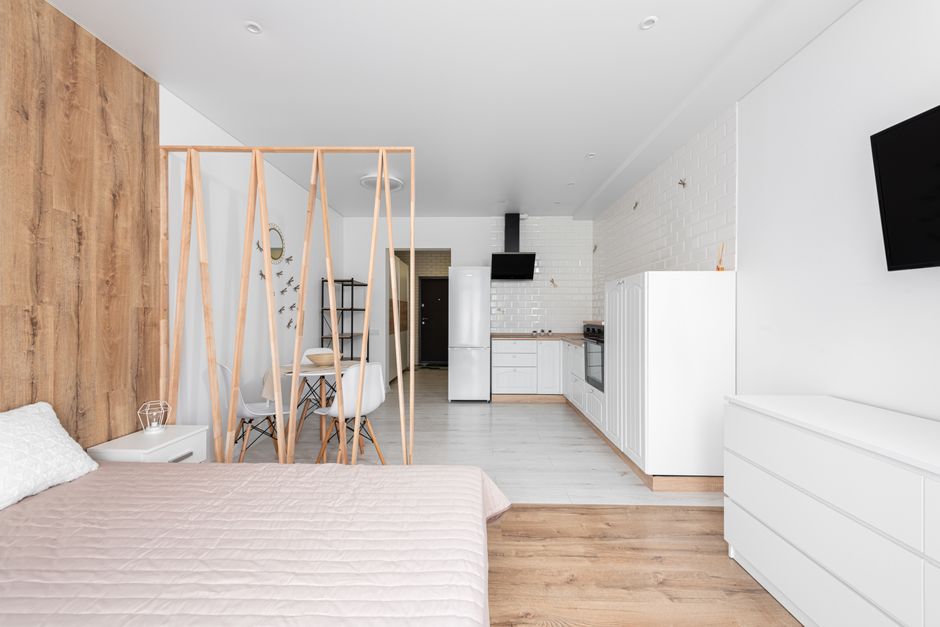
I’ve made enough mistakes to know what to avoid. Here are three categories I’d skip entirely.
Cheap Murphy beds under $1,000. The mechanism will fail within two years. I’ve seen it happen with four different brands. The gas struts lose pressure, the hinge pins bend, and the bed becomes impossible to fold. Spend $3,000+ on a Clei or Ori, or skip the Murphy bed entirely. A good mattress on a low platform frame costs less and works better.
Convertible coffee tables that turn into desks. The height is always wrong. Coffee tables are 16-18 inches tall. Desks need 28-30 inches. The mechanism that lifts the top is unstable at desk height. I tested three of these and all wobbled when typing. Just buy a separate lap desk or a small writing desk.
Wall beds with integrated shelving that doesn’t clear the bed. Some units have shelves that stay on the wall when the bed folds down — they end up right above your head. I measured one where the shelf was 18 inches above the mattress. That’s a head injury waiting to happen. Always check the clearance when the bed is down.
The One Thing Nobody Tells You About Studio Furniture
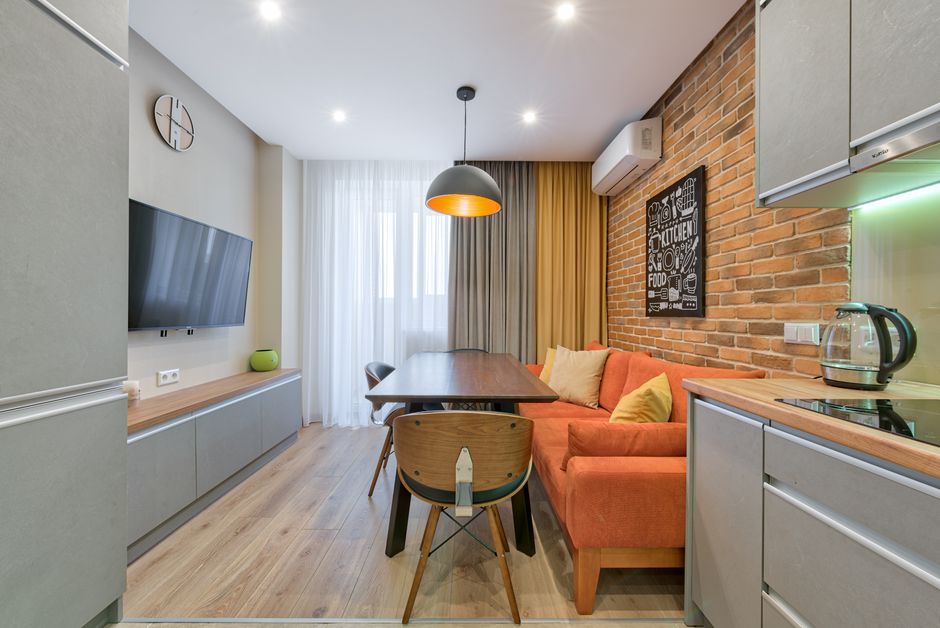
Every piece of furniture in a studio has to earn its floor space by being used at least once a week. If a fold-down desk sits folded for a month, you wasted $1,800 and the floor space it occupies when open. The same goes for expandable tables, sofa beds, and modular shelving.
The best piece of smart furniture is the one you actually use. For most people, that’s a comfortable sofa that doesn’t try to be a bed, a wall-mounted desk that folds flat, and a storage system that hides clutter. Everything else is optional.
The single most important takeaway: buy furniture that transforms in under 10 seconds, or don’t buy it at all.