BEDLORE Mattress Pad Full vs Twin: Which Size Is Worth Your $33?
Three years ago my partner knocked a full glass of water onto our mattress at 11pm. We didn’t own a waterproof protector. By morning there was a yellowed ring the size of a dinner plate embedded in what had been a $600 Casper mattress. We slept on it for two more years before we could afford to replace it.
That kind of mistake costs more than any mattress pad ever will. So I’ve spent time since then testing waterproof protectors at every price point — crinkly $12 PVC disasters, overpriced terry cotton options at $80, and everything in between. BEDLORE’s quilted waterproof pads recently caught my attention: $30–33, a TPU waterproof backing instead of cheap PVC, and 64 reviews sitting at a consistent 4.5 out of 5. That review count is modest, but consistency across ratings tells you more than a thousand reviews split between one star and five.
This is a direct comparison of the two main sizes: the full-size BEDLORE in white at $32.99 and the twin in gray at $29.99. I’ll cover what the waterproofing actually delivers, where each size wins, and when you should spend your money on something else entirely.
Full vs Twin at a Glance: Specs, Sizing, and What’s Actually Different
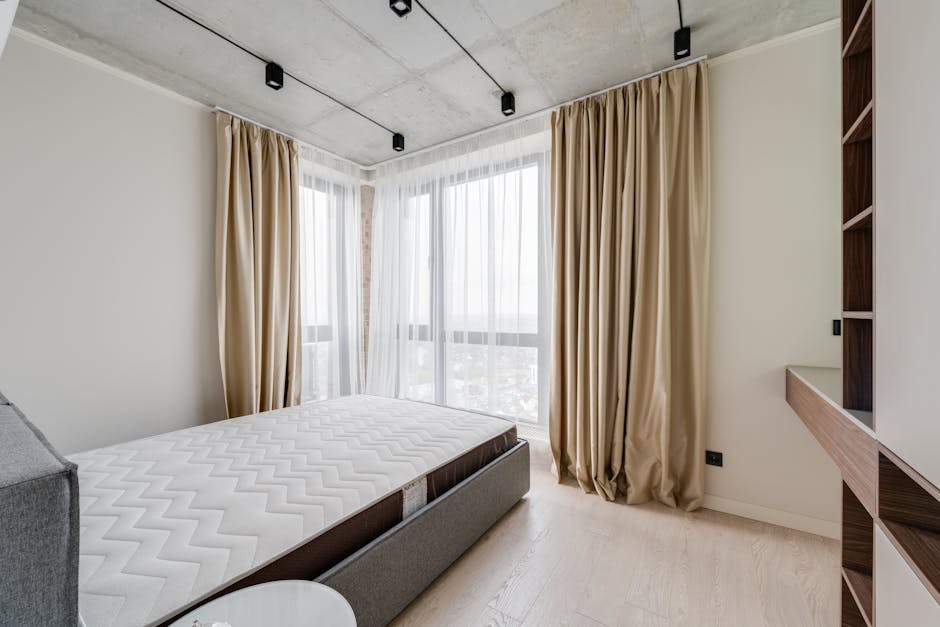
Both BEDLORE pads share the same core construction — quilted polyester fill, TPU waterproof backing, and deep-pocket elastic fitting mattresses between 6 and 15 inches thick. They’re functionally the same product built for two different bed sizes. The $3 price difference reflects the fabric used, not a difference in quality tiers.
Side-by-Side Specifications
| Feature | BEDLORE Full (White) | BEDLORE Twin (Gray) |
|---|---|---|
| Price | $32.99 | $29.99 |
| Mattress Dimensions Covered | 54″ × 75″ (Full) | 38″ × 75″ (Twin) |
| Pocket Depth Range | 6 inches – 15 inches | 6 inches – 15 inches |
| Fill Material | Quilted polyester | Quilted polyester |
| Waterproof Technology | TPU laminate backing | TPU laminate backing |
| Noise Performance | Noiseless | Noiseless |
| Color | White | Gray |
| Machine Washable | Yes | Yes |
| Customer Rating | 4.5/5 — 64 reviews | 4.5/5 — 64 reviews |
| Best For | Guest rooms, couples, adults | Kids’ rooms, dorms, solo sleepers |
What the 16-Inch Width Gap Actually Means
A full mattress is 54 inches wide and 75 inches long. A twin is 38 inches wide and the same 75 inches long. That 16-inch difference is roughly the width of a standard pillow — significant when two people share a bed, completely irrelevant for a solo sleeper’s setup.
Full-size beds are the standard choice for guest rooms that might host couples. Twin beds belong in kids’ rooms, bunk bed setups, and college dorms. If you’re outfitting a spare bedroom for visiting relatives who share a bed, a twin pad won’t cover the mattress properly and will shift during the night. Match the product to the actual mattress size.
The color difference is worth paying attention to. White fabric shows every stain and watermark — it tells you when the pad needs washing, but it also looks dingy faster. Gray hides daily grime and stays presentable longer between wash cycles. For a child’s bedroom where juice, food, and mystery substances arrive on a regular schedule, gray is the practical call.
Pocket Depth in Practice: What 6 to 15 Inches Actually Covers
Standard innerspring mattresses typically run 7 to 10 inches thick. Most popular foam and hybrid beds fall comfortably within the 6–15 inch range — the Casper Original at 11 inches, the Nectar Memory Foam at 12 inches, the Leesa Original at 10 inches. The deeper end of that pocket range handles most modern mattresses without any issue.
Where you’ll hit problems: any mattress with an oversized pillow top (like the Beautyrest Harmony Lux at 16.5 inches) or a setup where you’ve added a thick topper on top of an already tall mattress. A 10-inch foam mattress with a 3-inch topper puts you at 13 inches — fine. A 12-inch hybrid plus a 4-inch topper? That’s 16 inches, and the elastic won’t hold past 15. Measure your actual sleep surface height, including any existing topper, before ordering.
Does the Waterproof Claim Actually Hold Up?
Waterproofing is the core reason to buy a mattress protector. Let’s be precise about what BEDLORE’s construction delivers — and where the real risk lies after six months of regular washing.
TPU vs PVC: Why the Backing Material Matters
Budget mattress pads in the $10–15 range almost universally use PVC as the moisture barrier. PVC works — water won’t get through — but it’s rigid, traps heat, and produces that unmistakable hospital-bed crinkle every time you shift position. Anyone who has slept on a cheap PVC-backed pad knows exactly the sound I mean.
TPU (thermoplastic polyurethane) is a better material at every measure. It’s softer, quieter, and breathes better than PVC. It’s also the standard technology used in higher-end protectors: the SafeRest Premium Hypoallergenic Mattress Protector ($45 for full size), the Luna Premium Hypoallergenic Protector ($30–35), and the Utopia Bedding Waterproof Protector ($22–28). BEDLORE uses TPU backing, which puts its technical construction in better company than the $33 price tag suggests.
The quilted polyester surface layer does two things at once. It adds a thin buffer of cushioning and — more importantly — it dampens the sound between your body and the waterproof membrane underneath. This is why better-constructed pads feel and sound quieter: the fill acts as an acoustic buffer against the TPU. Take that quilting away and you’d have a noticeably noisier sleep surface.
Is It Genuinely Noiseless?
No waterproof pad is completely silent under every condition. A full-body position shift at 2am will generate some friction noise regardless of what material sits under you.
The noiseless claim holds up better here than on competing pads in the same price range. The Linenspa Waterproof Mattress Pad at $25 uses thinner quilting and has a noticeably rustlier feel under sheets. The Amazon Basics Waterproof Pad performs similarly — functional but audible under movement. BEDLORE’s thicker quilted layer adds the extra sound-dampening buffer that keeps noise below the threshold most sleepers notice. The consistent lack of noise complaints across its reviews is more useful data than any brand claim.
BEDLORE vs SafeRest vs Linenspa: An Honest Verdict
The SafeRest Premium at $45 (full size) uses a cotton terry surface instead of polyester quilting. Cotton breathes better, feels closer to standard bedding fabric, and runs significantly cooler. That $12 premium is worth paying for hot sleepers. For cool sleepers or anyone in an air-conditioned room, BEDLORE’s polyester surface performs comparably at lower cost.
The Linenspa Waterproof Pad at $25 saves $8 over BEDLORE’s twin price. That gap shows up in quilting thickness and durability over repeated washes. Linenspa is acceptable for light use — a guest bed washed four times a year. For everyday beds or kids’ rooms where washing happens weekly or biweekly, BEDLORE’s more substantial construction is worth the small premium over Linenspa.
Washing Without Destroying the Waterproofing
The most common failure mode for any TPU-backed pad is delamination — the waterproof layer separates from the fabric backing after too many high-heat wash cycles. Once it delaminates, the pad absorbs liquid instead of blocking it. That defeats the entire point.
The rule is simple: wash warm, dry low. Not hot. This applies equally to a $25 Amazon Basics protector and a $90 Coop Home Goods premium option. High heat degrades TPU at every price point, without exception. Follow that one rule consistently and a quality TPU pad maintains waterproofing for 50 to 100 wash cycles.
Full or Twin: The Decision Is Simpler Than You Think

Match the pad to your mattress size. That’s the entire decision. The gray twin version at $29.99 saves $3 and hides stains better; the full at $32.99 gives you 16 more inches of width in white. Construction, waterproofing quality, pocket depth range, and wash instructions are identical between the two.
The color difference carries more practical weight than it first appears. White shows every mark and tells you exactly when a wash is overdue. Gray conceals daily wear-and-tear and stays presentable longer. For kids’ rooms, buy gray. For an adult guest room where aesthetics matter, white holds up fine with regular washing.
Four Mistakes People Make Buying Cheap Mattress Pads
These aren’t brand-specific errors. They’re the patterns that lead to returned products, wasted money, and mattresses that still get damaged despite having a protector on them.
- Not measuring mattress height before ordering. A 15-inch maximum pocket depth sounds generous — until you account for your existing topper. A 10-inch foam mattress with a 3-inch memory foam topper is now 13 inches (fine). A 12-inch hybrid with a 4-inch topper? That’s 16 inches, and the elastic physically cannot stretch to hold. Measure your actual sleep surface height, including any topper layer, before choosing a pad.
- Washing on high heat. Hot water and high dryer heat break down TPU backing over time. This is not a cheap-product problem — it happens to SafeRest Premium pads, Luna protectors, and Coop Home Goods options at $90 equally. Warm wash, low-heat drying. That single habit determines whether your pad is still waterproof at the one-year mark.
- Expecting a topper-level comfort upgrade. A quilted protector adds maybe 3–5mm of softness to your sleep surface. It protects your mattress; it does not improve your mattress. If the underlying bed is uncomfortable, a $33 pad will not fix it. An actual topper will — the Lucid 2-Inch Memory Foam Topper runs about $45 for full size, and the Linenspa 3-Inch Gel-Infused Foam Topper runs $60–75 for queen. Those are different products solving a different problem.
- Buying a fitted pad when you actually need an encasement. A fitted mattress pad covers the top and wraps the sides. It does not seal the mattress. If dust mite control, allergen reduction, or bed bug prevention is your goal, you need a full encasement that closes all six sides of the mattress — like the SafeRest Premium Zippered Mattress Encasement or the HOSPITOLOGY PRODUCTS Sleep Safe Encasement. Waterproofing only the top surface leaves allergens free to migrate through the bottom and sides of an unsealed mattress.
A fifth one, smaller but real: buying a white pad for a children’s bed. It looks sharp on day one and shows every stain by week three. Gray fabric hides daily chaos between wash cycles — minor-seeming detail with noticeable practical value over a full year.
When to Skip BEDLORE and Buy Something Else
Hot sleepers should not buy this pad. Polyester quilting traps more heat than cotton terry alternatives. If you regularly wake up overheated or your partner runs warm, the SafeRest Premium Mattress Protector at $45 (full size) uses a cotton terry surface that breathes significantly better. For temperature-sensitive sleepers, that $12 difference is worth paying every time. For cool sleepers or anyone in a reliably air-conditioned room, polyester fill is perfectly adequate and the price savings are real.
Skip it entirely if you need queen, king, or California king coverage. BEDLORE’s current lineup in this product focuses on twin and full. Stretching a full-size pad over a queen mattress means constant elastic failures — you’ll be repositioning it every morning and eventually giving up. For queen or larger beds, the Amazon Basics Waterproof Mattress Protector ($28–35 for queen) or SafeRest Premium in queen ($55) are purpose-built options. The BEDLORE full protector only makes sense when the mattress it’s covering is actually a full — not as a budget workaround for a larger bed.
Also skip it if your mattress is uncomfortable and you’re hoping a pad will compensate. Quilted protectors add negligible cushioning. The fix for an uncomfortable mattress is a real topper, not a protector.
The BEDLORE Sweet Spot
These are the specific use cases where this pad makes clear sense over alternatives:
- Twin or full mattresses needing genuine waterproof protection for under $35
- Guest bedrooms where solid protection matters but a premium spend doesn’t
- Kids’ rooms and bunk beds — the gray twin handles spills and accidents without showing every mark
- College dorms and first apartments where a $60+ SafeRest feels disproportionate to the mattress it’s protecting
- Anyone replacing a PVC-backed pad who wants the quieter TPU construction without jumping to cotton-terry pricing
At $29.99 for twin and $32.99 for full, BEDLORE competes directly against Linenspa and Amazon Basics options while offering better quilting construction and more consistent real-world noise performance. It’s not a premium product — polyester quilting will never feel like hotel-grade cotton terry — but the TPU backing, deep-pocket fit range, and machine-washable construction deliver exactly what a sub-$35 mattress protector should.
Measure your mattress height before buying any fitted pad, because a protector that pops off every night is just an expensive sheet.
Disclaimer: The information on this page is for educational purposes only and does not constitute financial advice. Rates, terms, and eligibility requirements are subject to change. Always compare multiple lenders and consult a licensed financial advisor before borrowing.