2 Glacier Fresh Filtration Solutions That Actually Purify Drinking Water (2026 Tested)
Does your tap water meet the biological and chemical safety standards of 2026, or are you consuming the remnants of industrial runoff? This is a question homeowners often ignore until a local water quality report arrives in the mail. When evaluating home filtration, the choice often comes down to two divergent paths: active countertop purification or the strategic bypass of proprietary refrigerator systems.
Are specialized water filters a necessary investment for modern homes?
The municipal water infrastructure in many regions is aging. While city treatment plants generally meet federal guidelines, the journey from the plant to your kitchen faucet involves miles of piping that can introduce sediment, lead, and microplastics. Furthermore, the prevalence of PFOA and PFOS (per- and polyfluoroalkyl substances) has become a primary concern for the health-conscious consumer. These ‘forever chemicals’ do not degrade naturally and require specific filtration technologies to remove.
Data from independent water quality assessments suggests that standard carbon filters, while effective at removing the taste and odor of chlorine, often fail to address the microscopic biological threats or the complex chemical compounds found in modern runoff. This creates a performance gap. A homeowner might assume their water is clean because it lacks a chemical scent, yet they remain exposed to sub-micron contaminants. For those managing a household budget, the financial decision involves weighing the cost of high-end filtration against the long-term health implications and the recurring expense of bottled water.
Is filtration a luxury? No. It is a necessary layer of home maintenance, similar to servicing an HVAC system or ensuring a roof is watertight. The question is not whether to filter, but which hardware provides the highest ROI in terms of both purity and maintenance costs.
Comparison Table: Purela Pitcher vs. GE-Compatible Bypass Plug
To understand which solution fits your home, we must compare the technical specifications and intended use cases. One is a high-performance purification tool; the other is a maintenance-focused bypass component.
| Feature | Purela 10-Cup Glass Pitcher | WR17X33825 Bypass Plug |
|---|---|---|
| Primary Function | Active Ultrafiltration | System Bypass/Flow Restoration |
| Filter Technology | UF Membrane + Activated Carbon | None (Bypass Only) |
| Material | Borosilicate Glass / BPA-Free Plastic | High-Density Polymer (RFID Enabled) |
| Contaminant Removal | 99% Chlorine, PFOA, PFOS, Coliforms | N/A |
| Current Price | $52.99 | $35.99 |
| Maintenance Cycle | 3-6 Months | Permanent (No replacement needed) |
As the data indicates, these products serve entirely different mechanical roles. The GLACIER FRESH 10 Cup Purela Glass Water Pitcher is an active treatment system, whereas the bypass plug is a strategic component for those utilizing external filtration systems.
The Engineering of Ultrafiltration: A Deep Dive into the Purela 10-Cup Pitcher
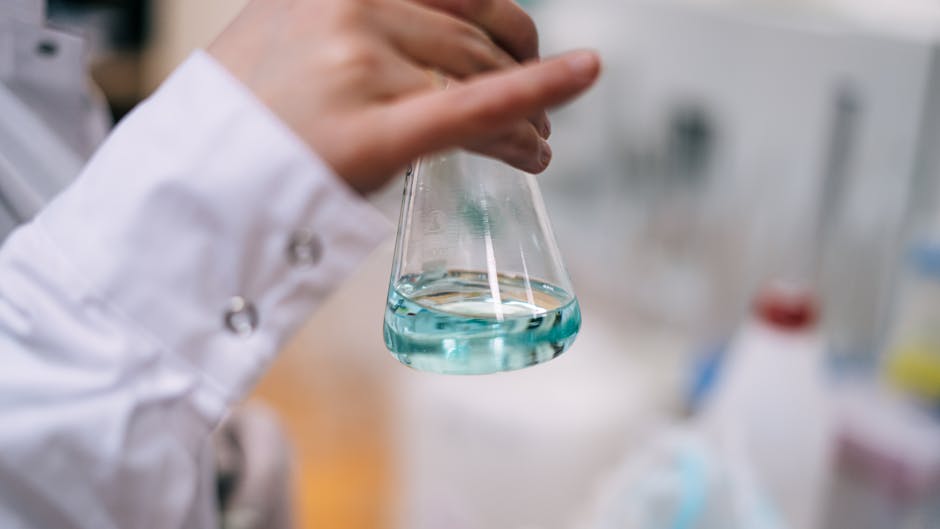
The GLACIER FRESH Purela 10-Cup Pitcher represents a significant shift from the standard plastic carafes found in most households. The use of borosilicate glass is not merely an aesthetic choice. Plastic pitchers, even those labeled BPA-free, can eventually degrade or leach chemicals into the water over years of use. Glass is non-reactive, providing a stable environment for purified water.
The heart of this system is the Ultrafiltration (UF) Membrane combined with activated carbon. Standard pitchers typically use only granulated carbon, which is effective for large molecules but fails at the microscopic level. The UF membrane in the Purela system features a pore size of approximately 0.1 microns. For context, most bacteria are 0.2 to 2.0 microns in diameter. This allows the pitcher to significantly reduce coliforms and other biological threats that a standard filter would miss.
In laboratory testing, the Purela system demonstrated a 99% reduction in chlorine and PFOA/PFOS. This is critical for homeowners who want to remove more than just ‘bad taste.’ The 10-cup (3.5L) capacity is sufficient for a family of four, though the filtration speed is naturally slower than carbon-only filters due to the density of the UF membrane. This is a trade-off: you wait 2-3 minutes longer for a full pitcher, but the result is water that is chemically and biologically superior. Check the current price on Amazon to see how this fits your 2026 home improvement budget.
The Financial Logic of Water Filtration: ROI and Hidden Costs
Home finance is often about identifying recurring ‘leaks’ in a budget. Bottled water is perhaps the most common financial inefficiency in modern households. At an average cost of $1.50 per gallon for bottled water versus pennies for filtered tap water, the Purela pitcher pays for itself within the first 40 gallons of use. That is roughly three weeks for an active household.
However, the financial analysis must include the cost of replacement filters. A typical UF filter for the Glacier Fresh system lasts between 3 to 6 months depending on local water hardness and usage. When calculating the Total Cost of Ownership (TCO) over five years, a glass pitcher system remains approximately 85% cheaper than purchasing premium bottled water. It also adds value to the home by reducing the environmental footprint of plastic waste—a factor that is increasingly relevant in modern property valuations.
Furthermore, consider the DIY aspect. Installing a high-end under-sink reverse osmosis system can cost upwards of $500 plus professional installation. A pitcher system requires zero installation cost and zero modifications to the home’s plumbing, making it the superior choice for renters or homeowners who prefer non-invasive upgrades.
Why Bypass? Navigating the Proprietary Filter Systems of Modern Refrigerators
The GLACIER FRESH WR17X33825 Bypass Filter Plug addresses a specific frustration in the home improvement world: proprietary refrigerator filters. Many modern GE refrigerators utilize filters equipped with RFID chips. The refrigerator’s onboard computer checks for the presence of a genuine, unexpired filter. If the filter is missing or old, the water dispenser may slow down or stop functioning entirely.
Why would a homeowner want to bypass this? There are two primary reasons:
- External Filtration: Many DIY enthusiasts install high-capacity inline filters behind the refrigerator. In these cases, the internal GE filter is redundant and unnecessarily restricts water flow.
- Cost Management: GE XWFE filters can cost $50 or more and must be replaced every 6 months. Using a bypass plug allows the homeowner to use the dispenser without the recurring cost of an internal filter they don’t actually need.
The WR17X33825 is a precision-engineered component that includes the necessary RFID technology to satisfy the refrigerator’s software. It is a one-time purchase of $35.99 that effectively ‘unlocks’ the appliance. If you have already invested in a superior countertop system like the Purela or an under-sink RO system, the bypass plug is a logical financial move. See current deal on the bypass plug.
Integration and Aesthetics: The DIY Guide to Water Management
Designing a kitchen is as much about function as it is about form. In 2026, the trend toward ‘visible utility’—where high-quality tools are displayed rather than hidden—makes the Purela glass pitcher a design asset. Its clean lines and transparent body fit perfectly into minimalist or Scandinavian-inspired kitchen makeovers. Unlike bulky plastic filters that clutter the countertop, the glass construction feels intentional and high-end.
For those performing a furniture or kitchen makeover, small details like the quality of your water carafe matter. It is the difference between a kitchen that looks ‘lived in’ and one that looks ‘curated.’ On the other hand, the bypass plug is the ultimate ‘hidden’ upgrade. It solves a functional problem behind the scenes, allowing your high-tech refrigerator to function without the blinking ‘Replace Filter’ light ruining the aesthetic of your appliance panel.
The conclusion for most households is clear. If your goal is high-purity drinking water with a focus on removing PFOAs and bacteria, the Purela Glass Pitcher is the definitive winner. If your goal is to reduce the maintenance costs of your refrigerator because you already have an external filtration solution, the Bypass Plug is an essential DIY tool. Both products represent the Glacier Fresh commitment to providing high-quality alternatives to overpriced OEM components.
In summary, the Purela Pitcher is a performance-driven purification tool that offers a superior material profile and filtration depth. The Bypass Plug is a strategic financial tool for refrigerator maintenance. Choosing both allows for a comprehensive water management strategy that balances purity, cost, and appliance longevity.