Murky Water Woes: How to Get Sparkling Clean Drinking Water at Home
Imagine this: you twist the tap, expecting a refreshing glass of water, but instead, a cloudy, almost yellowish liquid fills your glass. A slight metallic taste lingers as you reluctantly take a sip. It’s not just unpleasant; it’s concerning. Many homeowners face the frustrating reality of compromised tap water, and it’s a problem that extends beyond mere aesthetics. From old pipes to environmental factors, several culprits can affect your water quality, making it unsafe or simply unpalatable. Understanding these issues and implementing effective solutions is crucial for ensuring the health and well-being of your family.
Common Causes of Poor Tap Water Quality
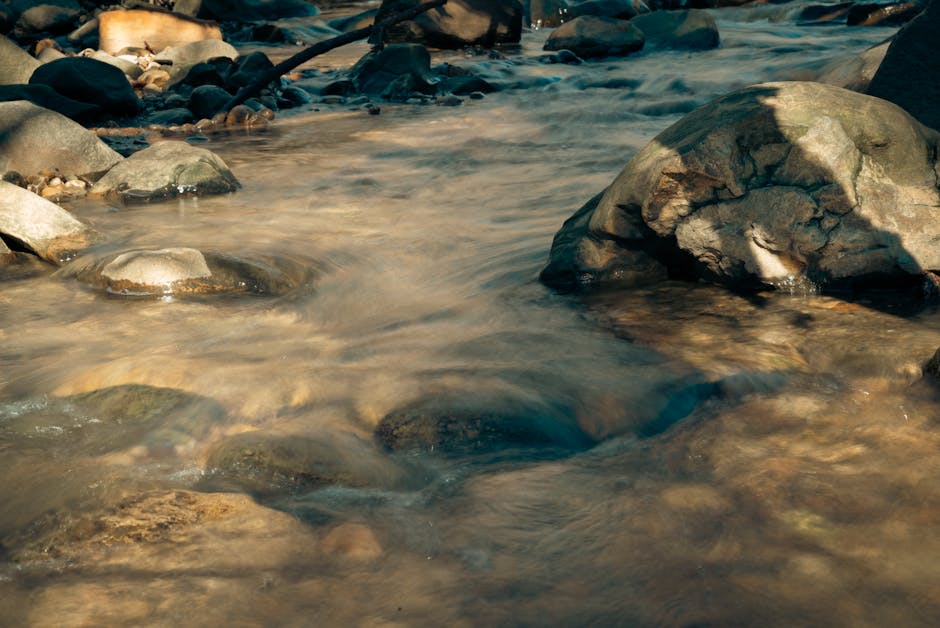
The journey of water from its source to your faucet is complex, and contamination can occur at various points. Here are some common reasons for poor tap water quality:
- Old Plumbing: Aging pipes, especially those made of lead, can leach harmful substances into the water supply. Lead exposure is particularly dangerous for children and pregnant women.
- Sediment Buildup: Over time, sediment such as rust, sand, and dirt can accumulate in pipes, causing cloudiness and affecting water pressure.
- Chlorine and Chloramines: Municipal water treatment plants often add chlorine or chloramines to disinfect water. While effective in killing bacteria, these chemicals can impart an unpleasant taste and odor. The legal maximum residual disinfectant level for chlorine in drinking water is 4 parts per million (ppm).
- Well Water Contamination: Private wells are susceptible to contamination from agricultural runoff, septic systems, and industrial waste. Regular testing is essential to ensure the safety of well water.
- Hard Water: High levels of minerals like calcium and minerals cause hard water, leading to scale buildup in pipes and appliances. Although not harmful to health, hard water can reduce the effectiveness of soaps and detergents. Water is considered hard if it contains more than 7 grains per gallon (GPG) of calcium and minerals.
- PFOA/PFOS Contamination: Per- and polyfluoroalkyl substances (PFAS), including PFOA and PFOS, are man-made chemicals that can contaminate water sources. They’re linked to various health problems, even at low concentrations.
The Importance of Water Filtration
Filtering your water offers numerous benefits, extending beyond just taste improvement. It removes harmful contaminants, protects your health, and safeguards your plumbing and appliances. Here’s why water filtration is a worthwhile investment:
- Removes Contaminants: Filters effectively remove sediment, chlorine, lead, bacteria, PFOA/PFOS and other impurities, ensuring cleaner, safer drinking water.
- Improves Taste and Odor: Filtration eliminates unpleasant tastes and odors caused by chlorine, algae, and other organic matter.
- Protects Plumbing and Appliances: By removing mineral buildup, filters prevent scale formation in pipes, water heaters, and appliances, extending their lifespan and improving their efficiency.
- Cost-Effective: Using filtered water reduces the need for bottled water, saving you money in the long run and reducing plastic waste.
Solutions for Cleaner Drinking Water: The GLACIER FRESH Pitcher

Tired of questionable tap water? The GLACIER FRESH 10 Cup Purela Glass Water Pitcher offers a practical and stylish solution for achieving consistently clean and refreshing drinking water. This pitcher combines advanced filtration technology with a sleek design, making it a welcome addition to any kitchen. Priced at $52.99 and boasting a 4.3/5 rating from 159 reviews, this product is a strong contender for improving your home water quality.
Key Features of the GLACIER FRESH Purela Pitcher
- Ultrafiltration Membrane: The pitcher incorporates an ultrafiltration membrane that removes 99% of bacteria, microplastics, and other harmful particles. This membrane has a pore size of approximately 0.1 microns.
- Activated Carbon Filter: An activated carbon filter effectively reduces chlorine, PFOA/PFOS, and other organic contaminants, improving taste and odor. The activated carbon is derived from coconut shells.
- 10-Cup Capacity: The pitcher’s generous 10-cup capacity makes it ideal for families or individuals who consume a lot of water. That’s approximately 2.3 liters.
- Glass Construction: The pitcher is made of high-quality borosilicate glass, which is durable, heat-resistant, and BPA-free. Glass doesn’t leach chemicals into your water, unlike some plastic pitchers.
- Easy to Use and Maintain: The pitcher features a simple fill-and-pour design. The filter is easy to replace, typically lasting for around 40 gallons or 2 months, depending on water quality.
How the GLACIER FRESH Pitcher Works
The GLACIER FRESH pitcher utilizes a two-stage filtration process:
- Stage 1: Ultrafiltration Membrane: As water passes through the ultrafiltration membrane, microscopic pores trap sediment, bacteria, and other particulate matter.
- Stage 2: Activated Carbon Filter: The water then flows through the activated carbon filter, where chlorine, organic contaminants, and other impurities are adsorbed, leaving you with cleaner, better-tasting water.
Maintaining Your GLACIER FRESH Pitcher
To ensure optimal performance and longevity of your GLACIER FRESH pitcher, follow these maintenance tips:
- Replace the Filter Regularly: Replace the filter every 40 gallons or 2 months, whichever comes first. Mark the replacement date on the filter cartridge as a reminder.
- Clean the Pitcher Regularly: Wash the pitcher with mild soap and water. Avoid using abrasive cleaners or placing the pitcher in the dishwasher (refer to the manufacturer’s instructions).
- Store the Pitcher Properly: Store the pitcher in a cool, dry place away from direct sunlight.
- Prime the Filter: Before using a new filter, prime it by soaking it in water for 10-15 minutes to remove any air bubbles.
Beyond the Pitcher: Additional Water Quality Improvements
While a water filter pitcher is a great starting point, you might consider other measures to improve your overall water quality. Addressing issues at the source or implementing broader filtration solutions can further enhance your water and your health.
Testing Your Water
The first step to improving your water quality is to understand what contaminants are present. You can purchase a home water testing kit or hire a certified laboratory to analyze your water. A comprehensive water test will identify levels of lead, bacteria, pesticides, and other harmful substances.
Whole-House Filtration Systems
For comprehensive water filtration, consider installing a whole-house filtration system. These systems filter all the water entering your home, protecting your pipes, appliances, and your health. Whole-house filters address issues like sediment, chlorine, and hard water, providing clean water at every tap. The initial investment might be higher, ranging from $500 to $2000 plus installation, but the long-term benefits are substantial.
Reverse Osmosis (RO) Systems
Reverse osmosis systems use a semi-permeable membrane to remove a wide range of contaminants, including dissolved solids, heavy metals, and chemicals. RO systems are typically installed under the sink and provide purified water for drinking and cooking. They are particularly effective in removing lead, arsenic, and fluoride. A typical RO system produces about 3-5 gallons of purified water per day.
Water Softeners
If you have hard water, a water softener can prevent scale buildup and improve the effectiveness of soaps and detergents. Water softeners use a process called ion exchange to remove calcium and minerals from the water. A water softener typically requires a salt tank that needs to be refilled periodically.
Understanding Water Quality Reports
Municipal water suppliers are required to provide annual water quality reports, also known as Consumer Confidence Reports (CCRs). These reports detail the levels of contaminants found in your water and whether they meet federal and state standards. Reviewing your CCR can help you understand the specific water quality challenges in your area and inform your filtration choices. These reports are usually available online or can be requested from your local water utility. It’s important to note that the EPA sets legal limits for over 90 contaminants in drinking water to protect public health.
A Quick Mention: GE Refrigerator Filter Bypass
If you own a GE refrigerator with a built-in water filter, you might encounter situations where you need to bypass the filter, such as when using the GLACIER FRESH WR17X33825 Bypass Filter Plug. This bypass plug, priced at $35.99 with a rating of 4.8/5 (14 reviews), allows you to use the refrigerator’s water dispenser and ice maker without a filter installed. This is useful if you are using an external filtration system or if you simply want to temporarily disable the filter function. It replaces various GE filter models and is compatible with refrigerators that use an RFID chip to detect the filter. See current deal.
The Financial Side of Clean Water
Investing in clean drinking water isn’t just about health; it’s also a smart financial decision. Consider the costs associated with buying bottled water regularly. A family of four could easily spend $20-$40 per week on bottled water, totaling over $1000 annually. A water filter pitcher or a more comprehensive filtration system represents a one-time investment that can save you significant money in the long run. Furthermore, improving your water quality can extend the lifespan of your appliances, preventing costly repairs and replacements. Hard water, for example, can reduce the efficiency of water heaters by as much as 20%, leading to higher energy bills. By addressing water quality issues, you’re not only protecting your health but also optimizing your household expenses.
DIY Water Quality Checks
Besides professional testing, you can perform some simple DIY checks to assess your water quality. Fill a clear glass with water and hold it up to the light. Look for any cloudiness, sediment, or discoloration. Sniff the water for any unusual odors, such as chlorine, sulfur, or mustiness. Taste the water, paying attention to any metallic, salty, or chemical flavors. While these checks aren’t as accurate as laboratory testing, they can provide valuable insights into potential water quality issues. For example, a rusty color might indicate iron contamination, while a sulfur odor could suggest the presence of bacteria.
The Future of Home Water Filtration in 2026
The demand for advanced water filtration technologies is expected to grow in 2026 as concerns about water quality increase. We’ll likely see more sophisticated filtration systems that incorporate sensors and smart technology to monitor water quality in real-time and automatically adjust filtration levels. These systems might even connect to your smartphone, providing alerts about potential contamination issues and recommending filter replacements. Furthermore, there will be a greater emphasis on sustainable filtration solutions that minimize waste and energy consumption. Biodegradable filter cartridges and systems powered by renewable energy sources will become increasingly popular, aligning with the growing trend towards eco-friendly home improvements.
Conclusion
Addressing water quality issues is a vital step in ensuring a healthy and comfortable home. From identifying potential contaminants to implementing effective filtration solutions like the GLACIER FRESH pitcher, proactive measures can significantly improve the taste, safety, and overall quality of your drinking water. By understanding the causes of poor water quality and exploring the available options, you can make informed decisions that benefit your health, your home, and your wallet.