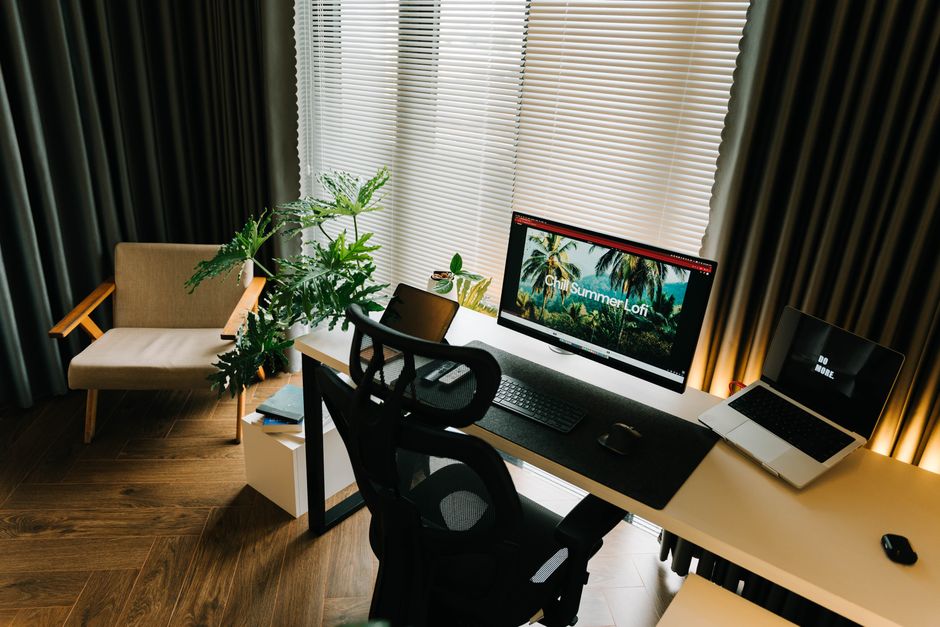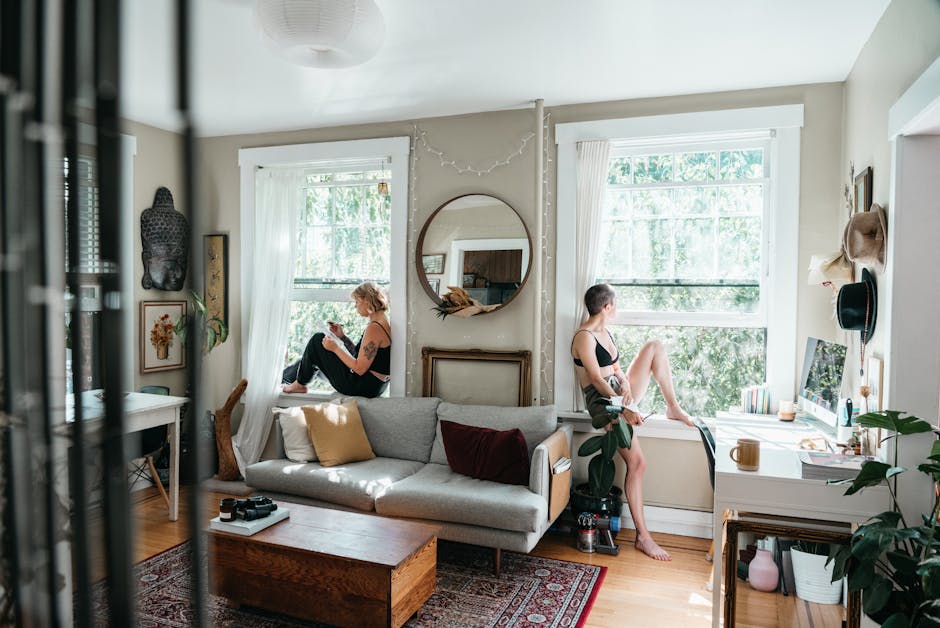
Picture this: you have the macramé wall hanging, the rattan accent chair, the terracotta pots lined up on the windowsill, and a jute rug on the floor. The room still looks like a furniture catalog — technically boho, completely flat. Every individual piece is correct. Nothing coheres.
This is the most common outcome when people approach bohemian decor through a checklist rather than a structure. The items are right. The sequence is wrong. Rooms that read as genuinely pulled-together — the ones that show up on design tours and saved Pinterest boards — are built on a framework most decorating guides skip entirely.
What follows is a breakdown of how that framework actually works, piece by piece.
Start with a Color Anchor — Not Throw Pillows
Most people approach boho decorating backwards. They buy the patterned pillows and woven throws first, then wonder why the room feels restless. The answer is almost always the same: no color anchor.
Bohemian spaces typically succeed because they operate within a defined palette, not despite ignoring one. The visual complexity of boho comes from texture and pattern variation — not from color chaos. When a room has five competing accent colors, the eye finds no place to rest. When it has two dominant tones and three supporting ones, that same complexity reads as richness rather than disorder.
The three-tone rule most boho rooms ignore
Designers who work specifically in the bohemian style — Justina Blakeney of Jungalow is the most prominent working example — consistently build rooms around a three-tone framework. One dominant neutral (warm white, cream, or sand), one mid-tone that carries the main color story (terracotta, dusty sage, or ochre), and one high-intensity accent used sparingly (deep burgundy, forest green, or cobalt).
The mistake most rooms make is treating all three tones as equals. They aren’t. Rooms tend to feel grounded when the dominant neutral covers at least 60% of visible surfaces — walls, large furniture, major textiles. The mid-tone occupies roughly 30%. The accent? Ten percent at most. That means one cobalt ceramic vase and two cobalt-threaded throw pillows. Not four cobalt pieces and a cobalt blanket.
Warm neutrals vs. jewel tones: choosing a direction before buying anything
There are two successful boho color directions, and rooms that try to blend both typically end up with neither working. Warm neutral-based boho (cream, camel, terracotta, rust) reads as desert-influenced and earthy — it photographs warm and works best in spaces with natural light from south- or west-facing windows. Jewel-toned boho (deep teal, plum, emerald, saffron) reads as globally-influenced and maximalist, but needs strong overhead lighting to avoid feeling cave-like in rooms under 200 square feet.
Pick one direction. Commit to it before purchasing a single textile.
The Textiles That Define Authentic Boho Style
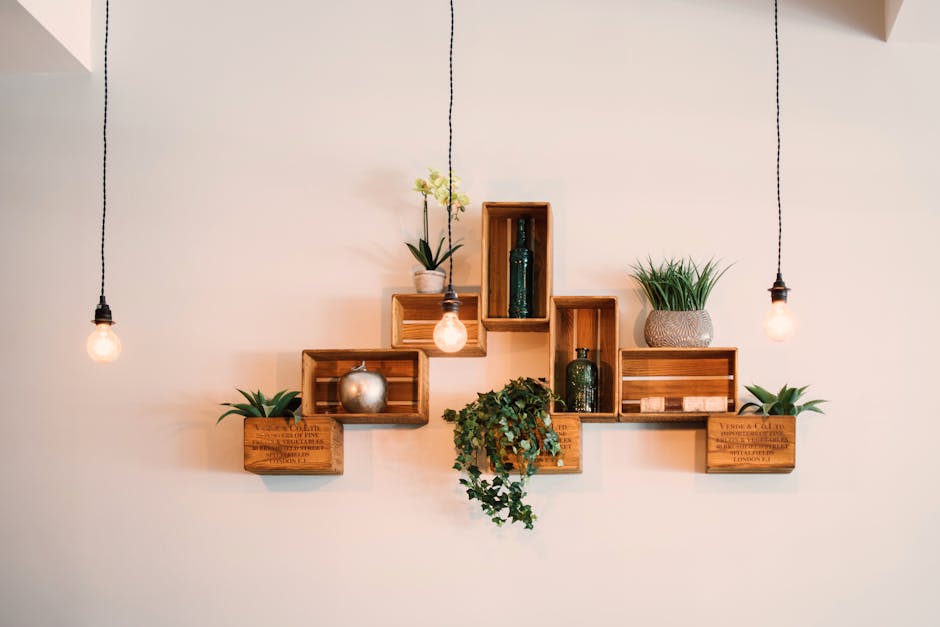
Textile choice is where the visible character of a boho room gets built. Not all boho-adjacent textiles behave the same way in a room, and understanding the differences tends to prevent the most expensive sourcing mistakes.
| Textile Type | Best Use | Common Mistake | Budget Pick | Investment Pick |
|---|---|---|---|---|
| Kilim / Flatweave Rug | Main area rug, layered over jute | Using as the only rug — too flat alone | IKEA STOCKHOLM 2 ($199) | Loloi Amber Lewis Juniper Collection ($450–$900) |
| Macramé | Wall hanging, plant hangers | Oversized piece on a small wall | H&M Home macramé wall hanging ($35–$65) | Anthropologie handwoven pieces ($150–$350) |
| Jute / Sisal Rug | Base layer under kilim | Using alone on hardwood — too coarse | Target Threshold jute rug ($59–$129) | Pottery Barn chunky jute ($249–$599) |
| Velvet Pillow Cover | Texture contrast against woven throws | Pairing multiple velvet pieces together | Urban Outfitters Home ($18–$35 each) | Magnolia Home by Joanna Gaines ($45–$75) |
| Woven Cotton Throw | Draped casually over sofa arm | Folding it neatly — kills the vibe | World Market cotton throw ($25–$45) | Faribault Woolen Mill throw ($125–$175) |
| Block Print Linen | Curtains, table runner, pillow cases | Pairing with too many other patterns | H&M Home linen ($29–$59) | Dash & Albert collection ($89–$149) |
One pattern combination that tends to hold together well: a geometric kilim rug, an organic macramé wall piece, and one block-print textile on the sofa. Three pattern types — geometric, organic, and printed — work without competing because they each operate at different scales and visual frequencies.
Why Your Furniture Is Probably Undermining the Whole Look
Boho decor fails more often at the furniture level than the accessory level. The cause is almost always the same: modern furniture with clean lines and tight upholstery doesn’t absorb textiles — it rejects them. A mid-century modern sofa with tapered legs reads as sleek regardless of how many woven pillows are stacked on it. Rooms that achieve the boho aesthetic typically anchor with furniture that has visual weight and some imperfection — a worn leather chair, a slouchy slipcovered linen sofa, a reclaimed wood coffee table. The furniture needs to look like it has a history, even when it doesn’t.
Natural Elements: A Room-by-Room Breakdown

Plants, dried botanicals, wood, stone, and woven naturals give boho rooms their organic quality. The challenge is calibrating how much is enough — and understanding what actually works in different spaces.
How many plants is actually too many?
There is no universal count, but rooms typically tip from lush to overwhelming when plants of similar scale cluster without variation in height. One large fiddle-leaf fig or bird of paradise (typically 5–7 feet) in a corner, paired with two medium-sized plants at table height (18–24 inches), and three small plants at shelf level generally creates the layered presence boho is associated with. Beyond this threshold in a room under 250 square feet, the effect tends to read as overcrowding rather than abundance.
Species matters less than silhouette variety. Mixing a tall structural plant (monstera, bird of paradise), a trailing plant (pothos, string of pearls in a wall-mounted planter), and a low mounding plant (prayer plant, peacock plant) creates movement across three distinct heights without needing many individual plants to do it.
Which natural materials work in which rooms?
Rattan and cane furniture pieces tend to work best in living rooms and bedrooms, where their lightness complements soft textiles. In kitchens and bathrooms — where moisture is a consistent factor — untreated rattan and cane typically warp or mold over time. Reclaimed wood, ceramic, and stone are more durable natural material choices in those rooms. Seagrass and water hyacinth baskets function well as storage in any room but read most intentional when grouped in odd numbers of three or five.
Dried botanicals vs. live plants: where the line is
Dried pampas grass, cotton stems, and preserved eucalyptus became near-ubiquitous in boho spaces between 2026 and 2026, to the point where rooms relying primarily on them now read as derivative rather than curated. One dried botanical arrangement in a tall ceramic vase, integrated into a shelf alongside live plants, still reads as intentional. An entire room of dried arrangements tends to feel static rather than artisanal. Use dried botanicals as accents within a living plant context, not as a replacement for it.
The Layering Formula That Prevents Visual Chaos
The most repeated mistake in boho rooms is layering without structural logic — items accumulate rather than compose. The sequence below is the order rooms tend to benefit from when building the aesthetic from the ground up.
- Ground the floor first. Lay the largest rug that fits the space — typically a jute or natural fiber base. Layer a smaller kilim or flatweave on top, angled slightly or offset, so both rugs show at the edges. The contrast of textures at the floor level sets the visual tone for the whole room.
- Establish the largest furniture piece as the anchor. The sofa, bed, or dining table should orient toward the primary light source. Everything else in the room positions around it — not around the doorway, not around the television.
- Build vertical interest in the corners. Tall plants, floor lamps with rattan or woven shades, and freestanding shelving pull the eye upward and prevent the room from reading as a flat, horizontal arrangement.
- Add textiles in odd numbers. Three throw pillows on a loveseat, five on a larger sofa. Five different textures layered on a bed. Even numbers tend to look symmetrical and deliberate in a way that contradicts the relaxed ease boho rooms are built around.
- Treat open shelving as curated display, not storage. Shelves in boho rooms typically mix books with ceramics, small plants, and one or two meaningful objects. Every item earns its place — if it is purely functional (a phone charger, a remote control), it belongs in a drawer.
- Hang artwork lower than you think. Gallery walls in boho rooms typically center around 55–57 inches from the floor rather than the conventional 60–65. The slightly lower hang creates a more intimate, settled quality that suits the aesthetic.
- Leave negative space. This is the step most people skip. One empty shelf, one bare corner, one section of uninterrupted wall lets the eye pause — and makes the layered areas read as intentional rather than accumulated. The negative space is not an oversight. It is what makes everything else visible.
Budget vs. Splurge: Where Spending Actually Changes the Room
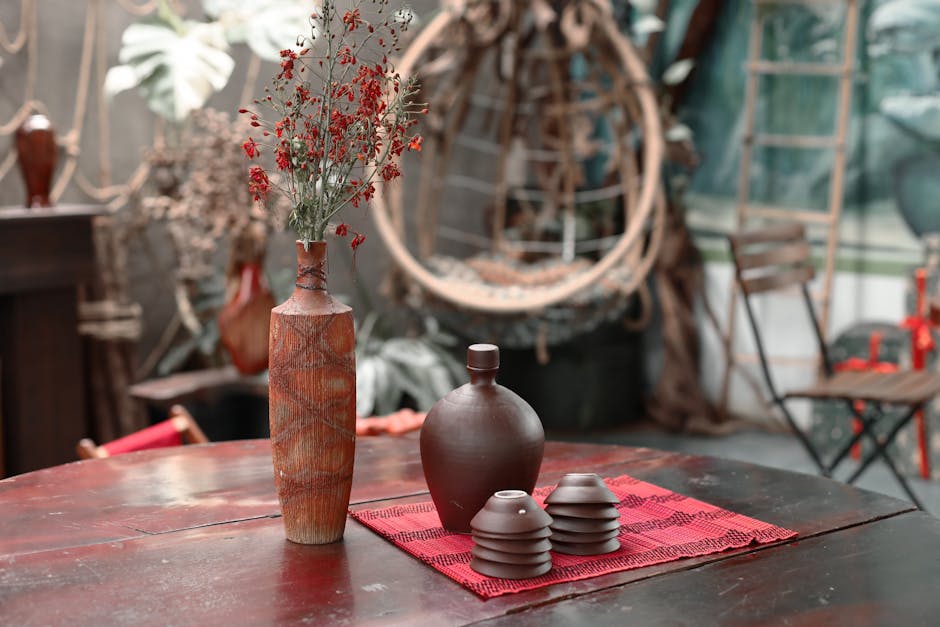
Not every element of a boho room warrants the same investment. Some categories respond strongly to spending more — the difference between a $50 rug and a $400 rug is visible from across the room. Others simply do not.
| Item | Splurge? | Why It Matters | Budget Pick | Investment Pick |
|---|---|---|---|---|
| Area Rug | Yes — top priority | Pile depth and texture are immediately visible. Budget rugs flatten the whole room. | IKEA STOCKHOLM flatweave ($199) | Loloi Juniper or Chris Loves Julia x Loloi ($450–$1,100) |
| Main Sofa | Yes | Proportions and drape determine whether the room reads as relaxed or stiff. | IKEA KIVIK with linen slipcover ($499) | Pottery Barn Pearce slipcovered sofa ($1,899+) |
| Throw Pillows | No | Covers are swappable. Inserts are identical across price points. | World Market pillow covers ($12–$22 each) | Redirect budget to the rug |
| Ceramics and Vases | Partially | One or two handmade pieces elevate an entire shelf. Mass-produced works around them. | Target Studio McGee collection ($15–$40) | Local pottery studio piece ($45–$120) |
| Curtains | Yes | Cheap curtains hang wrong. Linen needs weight to drape and puddle correctly. | IKEA LENDA linen curtains ($49 per panel) | Crate & Barrel pure linen panels ($89–$149 each) |
| Plants | No | Plant price doesn’t correlate with visual impact. A $12 pothos in a good pot outperforms a $60 plant in a bad one. | Any grocery or hardware store | Invest in the ceramic pot instead |
The clearest verdict: prioritize the rug and the sofa above everything else. These two pieces establish the quality level the entire room appears to operate at. Cut costs on pillows, botanicals, and small accessories — no one can tell whether a throw pillow cover cost $14 or $75.
When to Dial Back the Boho Aesthetic
Full bohemian maximalism works in specific conditions. Rooms that don’t meet those conditions tend to benefit from a more restrained approach — boho-influenced rather than fully committed.
Small rooms under 150 square feet
In compact spaces, layering works against the room rather than for it. A 10×12 bedroom with a layered rug situation, a macramé wall hanging, a gallery wall, four plants, and a woven bench at the foot of the bed typically reads as claustrophobic rather than curated. In smaller rooms, the approach that tends to work is choosing one or two boho signature elements — a single statement rug or one large-scale plant plus a macramé piece — and keeping everything else minimal. The restraint makes the chosen elements read with more impact, not less.
Rental properties with structural restrictions
Renters who cannot paint walls or install anchored shelving are working with a limited structural canvas. Gallery walls that require multiple holes, large macramé pieces that need heavy-duty hooks, or floor-to-ceiling curtain rods that require ceiling mounting all typically require landlord negotiation. In rental contexts, the most effective boho strategies concentrate on freestanding elements: large-format rugs, statement plants, furniture with character, and layered textiles that carry the visual work without depending on wall structure to do it.
Back to the room from the start of this piece — the one with all the correct individual pieces that still didn’t cohere. The fix is not buying more. It’s establishing the color anchor first, auditing the existing textiles against it, and editing down accessories to create the negative space that makes what remains feel chosen rather than collected. The layering looks effortless in a finished boho room because the editing is invisible. The accumulation was never the point — the curation always was.