How to Organize Beads Without Buying Storage You’ll Regret
The widespread belief is that disorganized craft supplies mean you need more storage. That’s almost never true. The actual problem, in most cases, is that the storage you bought was designed for something else entirely.
Fishing tackle boxes, kitchen spice racks, and repurposed medicine organizers are the most common improvised bead containers — and they all fail in predictable, expensive ways. This guide covers how to build a storage system that works for seed beads, diamond painting drills, and jewelry findings, without spending money twice because you bought the wrong thing first.
This is not financial advice — but the math on craft storage is straightforward enough to treat it like any other small purchase decision worth getting right.
Why Small Beads Defeat Most Storage Systems
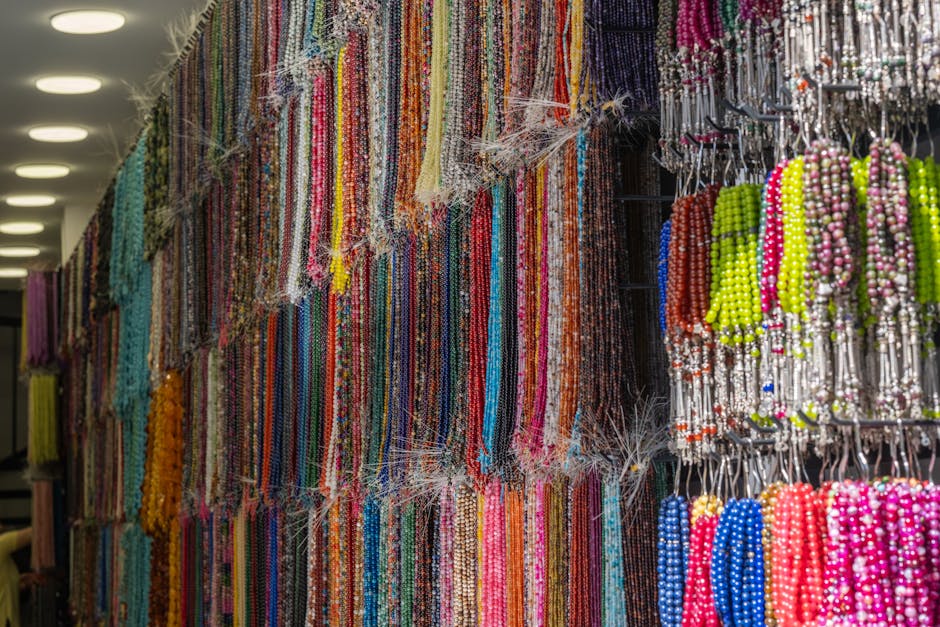
Seed beads, diamond painting drills, and micro-findings share one property that makes standard storage useless for them: they’re small enough to exploit every gap, imperfect seal, and divider gap in a container. A compartment that handles fishing lures without issue becomes a mixing disaster with 2mm Miyuki Delicas.
Understanding exactly why generic storage fails here tells you precisely what to look for in something better.
The Physics Problem With Shared-Lid Containers
Most divided organizers — the Plano 3700 series, the ArtBin Fliptop, the Darice 24-compartment organizer — use a single hinged lid over multiple internal sections. Convenient for access, terrible for security. Tilt the box at 45 degrees and whatever’s in compartment seven migrates into compartments five, six, eight, and nine.
For fishing hooks at 8mm, this is a minor nuisance. For size 11/0 Toho seed beads at 2.2mm, this is 20 minutes of hand-sorting under magnification. Multiply that by six incidents per year and you’ve lost two hours of project time to a container that was the wrong tool from the start.
Why Opening Width Matters More Than Compartment Count
A compartment with a 3-inch opening looks practical — easy to scoop from, easy to pour into. For beads, it’s a spill risk on every use. The standard guidance in beading communities is a maximum 1-inch opening for anything smaller than size 6/0 (roughly 4mm). Narrow openings let you pour directly into a needle tool or control a pour onto a beading mat without scattering half the contents.
This is why the IRIS USA Bead Organizer jar system (~$35 for 30 screw-top jars) has become standard equipment for serious beaders despite costing more than tackle alternatives. The screw-top small-mouth format is simply better matched to the material — even though the jar form factor takes up more desk real estate.
The Real Financial Cost of Mixed-Up Beads
A standard hank of size 11/0 Miyuki seed beads — about 24 grams — runs $4.50 to $6.50 depending on color and finish. Mix two colors because your dividers shifted, and you’ve either written off that inventory or spent 45 minutes sorting by hand. At any reasonable valuation of your time, a $6 bead hank just became a $15 problem.
A crafter working with 40 active colors who mixes up 5% of inventory per year loses real money. A proper individual-lid modular storage system at $25 to $35 eliminates this entirely. The payback period is under five months for anyone spending $20 or more monthly on craft supplies.
How to Set Up a Bead Storage System in 5 Steps
Don’t buy storage before doing this. Buying first is how you end up with a 58-bin organizer and 12 bead colors sitting in it, or a 20-compartment tray and 60 DMC diamond drill colors that don’t fit.
- Audit before you buy. Count every distinct bead type, color, and size you currently own. Separate by category: seed beads, bugle beads, faceted rounds, findings (clasps, jump rings, headpins), diamond painting drills. Each category may need a different storage solution.
- Decide your sorting logic first. Color family, bead size, or project-based are the three common systems. Color family is most intuitive for visual work like diamond painting and jewelry design. Size-based sorting works better for bead weaving where you regularly alternate between size 8/0 and 11/0. Pick one system and commit before you touch a label.
- Match container opening to bead size. Beads under 3mm need small-mouth, individually-lidded containers. Larger beads and findings can go in wider bins. Don’t use one container size for everything.
- Label before filling. Write the label, attach it, then pour the beads in. If you fill first, you’ll skip labeling because it feels inconvenient in the moment. Fifteen unlabeled bins looks manageable. Forty unlabeled bins is just a row of mystery containers.
- Stack vertically, not horizontally. Flat trays sprawl across a workspace. Stackable vertical systems let the collection grow upward. When you add 20 new colors next year, you add a tier — not a second table.
The workflow above is exactly what the Guyuyii 58-piece bead organizer with labels and handle is designed around — 58 individual snap-lid bins, a labeling system included in the box, and a three-tier stackable frame for vertical expansion. At $29.99, that’s $0.52 per compartment with labels included, which is difficult to beat with any comparable individual-lid system on the market.
How Many Bins Do You Actually Need?
Diamond painting: A standard full-coverage 5D kit uses 30 to 60 DMC colors. Working across two or three simultaneous projects, 58 bins fills quickly — but it’s a solid entry point for one-to-three-project crafters.
Seed beading: Collectors working with Miyuki or Toho at 80+ active colors need multiple storage units. Two 58-bin organizers stacked covers 116 colors — a realistic working palette for Peyote or herringbone weavers buying in variety packs.
Jewelry making: Findings plus beads together often require 40 to 70 compartments. Keep findings separate from beads — they have different access patterns, and mixing them in one unit creates confusion mid-project.
The Only Labeling Method That Holds Up Long-Term
Sticky notes fall off. Masking tape peels in humidity. Handwritten labels smudge on plastic when handled with damp fingers. The most durable options are pre-cut label slots built into the organizer, adhesive label tape from a DYMO LabelManager 160 (~$30, tape refills ~$8 each), or a Brother P-touch for high-volume labeling. If the organizer includes labels, use them the day you unbox it. Retroactively labeling 50 filled containers is genuinely unpleasant work that most crafters simply don’t finish.
Guyuyii 58-Piece vs. Real Alternatives: The Numbers
Five options that come up repeatedly in beading and diamond painting communities. Real prices, real ratings — no vague claims about quality.
| Product | Price | Compartments | Individual Lids | Labels Included | Stackable | Rating |
|---|---|---|---|---|---|---|
| Guyuyii 58-Piece Bead Organizer | $29.99 | 58 small bins | Yes (snap-on) | Yes | 3-tier | 4.2/5 (114 reviews) |
| Plano 3700 Tackle Box | ~$10 | 20–28 adjustable | No (single lid) | No | No | 4.4/5 |
| ArtBin Super Satchel 12-Inch | ~$24 | 1 divided interior | No (single latch) | No | Limited | 4.3/5 |
| IRIS USA Bead Organizer Jars | ~$35 | 30 screw-top jars | Yes (screw-top) | No | Yes | 4.0/5 |
| Darice 24-Compartment Organizer | ~$14 | 24 fixed | No (hinged panel) | No | No | 3.8/5 |
The IRIS USA jars offer the most secure individual closure — screw-tops genuinely beat snap-on lids for fine bead security, especially during transport. The problem is cost: $35 for 30 jars with no labels comes to $1.17 per compartment. The Guyuyii 58-bin organizer works out to $0.52 per compartment with labels included. For a fixed desktop setup where security means snap-lids rather than screw-tops, that cost difference is the deciding factor.
The Plano 3700 is a legitimate pick for beads larger than size 6/0 (4mm+) or for chunky jewelry findings where a single open compartment is fine. Don’t spend $30 when $10 covers your actual use case. The ArtBin Super Satchel works well for mixed-media storage or larger components — it’s the wrong tool for anything under 4mm.
Bottom Line: For diamond painting and seed beading with 20 or more active colors, individual-lid modular systems beat divided trays. For casual jewelry making with larger findings, the Plano or any divided craft box is more than sufficient. The Darice is the weakest option in this group — hinged-panel lids fail quickly, and no labeling system makes long-term use frustrating.
The Short Answer on Whether to Buy a Modular System
If you own more than 25 bead colors or diamond drill types, an individual-lid modular organizer makes sense at the $25–$35 price point. If you own fewer, a $10 tackle box is the honest recommendation — don’t buy a 58-bin system to house 15 colors. The Guyuyii 58-piece hits the right balance of compartment count, cost per bin, and included labeling for serious hobbyists, but it only makes financial sense if you’ll fill most of it within three months.
Craft Storage Budget by Monthly Supply Spend
How much storage infrastructure you need correlates directly with how much you spend on materials. Here’s a clean framework for the decision.
Spending Under $10/Month on Craft Supplies
You’re in early-hobby or casual territory. One divided tray in the $10–$15 range is enough. The Plano 3700 or a basic Darice organizer handles 15 to 20 colors without issue. One exception: if you’re starting diamond painting and already know your kits use 40+ colors, buy for that scale from day one. Upgrading in three weeks wastes the first purchase entirely.
Spending $20–$50/Month on Craft Supplies
This is the target range for a 58-bin individual-lid organizer. At this spending level, you’re building a real collection — 40 to 80 active bead types is realistic, and the individual-lid format pays back in material preservation within the first few months of use.
Crafters at this level often benefit from a second container type for active workspace management. The Guyuyii collapsible silicone bowl 4-pack ($24.99, rated 4.4/5 across 2,267 reviews) fills a completely different role: temporary sorting trays during active project work, then collapsed flat for storage. Pouring the current project’s palette into a collapsible bowl, working from that, and returning beads to labeled bins when the session ends is a clean workflow that keeps your main organizer from being constantly opened and rummaged through mid-project. Microwave and dishwasher safe means easy cleanup after resin or glue work too.
Total one-time setup at this tier: approximately $55 for both products. That’s a fixed infrastructure cost that doesn’t repeat.
Spending $100+/Month on Craft Supplies
Two stacked 58-bin organizers cover 116 compartments — enough for most serious Miyuki or Toho palettes. Budget $60 for two-unit coverage. Above 200 active colors, look at the Bead Storage Solutions wall-mounted tube system ($80–$150) or a dedicated bead cabinet from GemPro. Those are entirely different product categories with different price points, but they’re the right tools when a modular bin system has genuinely been outgrown. Don’t buy a wall cabinet for 80 colors — that’s over-engineering a solved problem.
Seven Mistakes That Waste Real Money on Craft Storage
- Buying storage before auditing your collection. You end up with 40 empty bins, or 20 bins short, or bins the wrong size for your smallest beads. Count what you have first. Buy second.
- Choosing decorative over functional. Clear acrylic drawer towers photograph beautifully. In practice, tiny beads slide under acrylic dividers, drawers stick on the rails after six months of humidity changes, and none of them include labels. The aesthetically pleasing organizer is almost always wrong for serious bead work.
- Ignoring lid security for transport. If supplies leave the workspace at any point — a craft group, a class, a trip — individual lids are non-negotiable. A single-lid box that opens in a tote bag mixes 10 colors in one drop. For anything smaller than size 8/0, that’s potentially irreversible without a magnifier and considerable patience.
- Buying one large fixed unit instead of a modular system. A 60-compartment fixed tray looks organized until you hit 65 colors and have nowhere to put the overflow. Stackable modular units expand naturally. Fixed trays create a ceiling you’ll hit.
- Skipping labels because you’ll remember. You won’t. After three months and 50 colors, unlabeled bins are just mystery containers. Label on day one, before the system feels established enough to not bother.
- Over-buying for a hobby you just started. Two weeks into diamond painting with 8 colors doesn’t mean you need a professional wall-mounted tube system. Buy for today’s collection with one tier of expansion room. Upgrade when you actually hit the limit — not when you imagine you might.
- Prioritizing upfront price over lid quality. A $14 organizer with a hinged panel lid that pops open under light pressure costs more in lost and mixed materials over a year than a $30 system with individual snap closures. The cheap purchase is rarely the cheap solution over time.
The common thread across all seven mistakes is the same: buying for an imagined future state instead of measuring current actual need. Storage should match your collection today, with one level of expansion headroom built in. Everything beyond that is overhead.
Craft storage as a category is improving steadily — more organizers now include integrated labeling, modular stacking compatibility, and compartment dimensions purpose-built for common bead sizes. The gap between frustrating cheap options and over-engineered expensive ones is narrowing. The question in 2026 isn’t whether good storage exists at a fair price. It’s whether you match the system to your actual working style before you spend the money.
Disclaimer: The information on this page is for educational purposes only and does not constitute financial advice. Rates, terms, and eligibility requirements are subject to change. Always compare multiple lenders and consult a licensed financial advisor before borrowing.