Louvered Pergola Mistakes Every Homeowner Should Know
Most people shopping for a pergola assume wood is the timeless, sensible choice. Cedar kits dominate home improvement store floors. They look handsome in showroom displays. And three rainy seasons later, the same buyers are searching how to re-seal cedar without stripping the whole thing down first.
The misconception isn’t just about materials. It runs through almost every part of the buying process. Shoppers focus on upfront price and curb appeal, then discover post-install that they missed the features determining whether a structure is actually usable: adjustable louver range, integrated drainage, frame wall thickness, and post foundation requirements.
Here’s a thorough look at what those features mean in practice, where the common buying mistakes happen, and how two aluminum structures at the same $3,399.99 price point serve completely different needs.
Why Aluminum Outlasts Wood — And Costs Less Over a Decade
Aluminum wins on total cost of ownership. That’s not a bold claim — it’s straightforward math, and most buyers don’t run the numbers before committing to a wood structure.
A quality cedar pergola kit (like the Yardistry Cedar Pergola 12×16 ft, around $2,200 before accessories) looks excellent in year one. By year three in a wet climate, the boards are checking, the stain is uneven, and metal hardware is showing rust staining through the wood grain. Annual sealing or staining runs $80–$150 per application in materials alone. After ten years, that’s $800–$1,500 spent just maintaining the appearance — before counting a single hour of your time.
Powder-coated aluminum needs a rinse. That’s it.
What “Reinforced Aluminum Frame” Actually Means
Not all aluminum pergolas are structurally equal. Budget structures in the $1,200–$1,800 range use thin-walled extrusions. They flex under snow load, rack in sustained wind, and develop visible lean after a few seasons. The problem isn’t aluminum as a material — it’s wall thickness and connection design at the post-to-beam joints.
Reinforced aluminum frames use heavier extrusion profiles and braced post connections. This is the structural difference in the Garveelife All-Aluminum Louvered Pergola 12 x 24 ft ($3,399.99). At 288 square feet of covered area, that reinforcement is doing real work — particularly at the corner post connections where cheaper frames fail first under lateral load.
Powder Coating vs. Spray Paint: The Finish That Determines Longevity
Powder coating is baked onto the aluminum surface at 350–400°F. It bonds chemically to the metal, doesn’t chip under moderate impact, doesn’t peel in UV exposure, and holds color for 15–20 years under typical outdoor conditions.
Spray paint on aluminum looks identical in year one. By year three, scratches from normal use are visible. By year five, the surface chalks and fades unevenly, especially on south-facing surfaces. Budget aluminum pergola brands frequently use spray-painted finishes. Any serious structure should specify powder-coated finish in the product details — if the listing says “painted finish” without clarifying powder-coat, that’s a warning.
10-Year Total Cost: Wood Pergola vs. Aluminum Louvered Pergola
| Category | Cedar Pergola (12×16 ft) | Aluminum Louvered Pergola (12×24 ft) |
|---|---|---|
| Initial purchase | $2,200–$3,500 | $3,399 |
| Annual maintenance cost | $80–$150/year | ~$0/year |
| 10-year maintenance total | $800–$1,500 | $0–$50 (cleaning only) |
| Expected lifespan | 15–20 years (with upkeep) | 25–30 years |
| Adjustable shade control | No | Yes — 0° to 90° louver range |
| Integrated drainage | No | Yes |
| 10-year total cost estimate | $3,000–$5,000 | $3,400–$3,450 |
Over a decade, a well-made aluminum louvered pergola frequently costs less than a cedar equivalent — while covering more square footage and offering features wood physically cannot provide.
What Adjustable Louvers Actually Do to Your Outdoor Space
A fixed-roof pergola commits you to one setting. A louvered roof gives you a range — fully open sky to full rain cover, with every angle in between. That range changes how often you actually use the space, and that’s not marketing language.
Homeowners with fixed pergolas or solid-roof structures frequently avoid using them in borderline weather: partly sunny with clouds rolling in, a mild rain threat, late-afternoon glare at a specific angle. Louvered roofs remove that hesitation. You adjust and sit down.
The Three Louver Positions and When Each Earns Its Place
- Fully open (0°): Maximum light and ventilation. Best for overcast mornings, cool evenings, or when you want sky view without sitting in direct afternoon sun.
- Partially open (30°–60°): Filtered shade. Cuts harsh midday sun while keeping cross-ventilation moving. This is the default setting for most warm afternoons.
- Fully closed (90°): Rain and direct-sun protection. Rainwater channels into the integrated drainage system rather than sheeting off the edges onto seated guests.
Most owners end up using the half-open and fully-closed positions most frequently. Full-open is for early mornings and overcast days when direct light isn’t an issue.
Manual vs. Motorized Louvers: The Honest Call
Motorized louver systems — remote or app-controlled — add roughly $300–$800 through a contractor installation. For most residential backyard setups, this isn’t worth it. Manual adjustment takes 30 seconds with a hand crank. You set it when you walk outside, and that’s the end of it.
Motorized makes practical sense for commercial deck installations, elaborate outdoor kitchen builds where louver adjustments happen repeatedly throughout a session, or homeowners with limited mobility. For a standard residential dining and entertaining setup, that money is better directed toward a ceiling fan mount or perimeter string lighting. The manual system on the Garveelife 12 x 24 ft pergola is straightforward enough that it stops feeling like a compromise after the first weekend.
Sizing and Installing a Pergola: Where Most DIY Projects Go Wrong
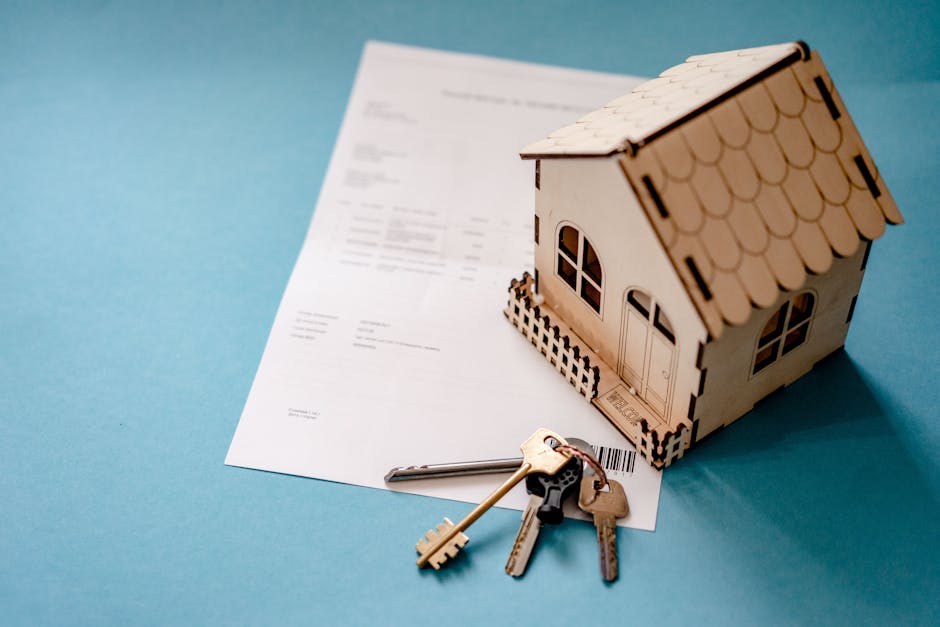
Sizing errors are the most common source of post-purchase regret. People eyeball their patio, assume a 10 x 12 ft structure will feel spacious, and spend years frustrated that half the dining table sits in direct sun just outside the pergola’s edge.
Proper sizing starts with furniture dimensions, not impressions. A standard 6-person outdoor dining table runs 36–40 inches wide and 72–84 inches long. Add 36 inches of clearance on each side for chair pull-out and foot traffic. That’s roughly 12 x 13 ft minimum for a dining-only zone. Add a companion lounge setup — sofa, coffee table, two side chairs — and you’re at 12 x 20 ft at a minimum for a functional outdoor room.
A 12 x 24 ft footprint covers both a dining area and a small lounge zone under one roof. That’s an actual outdoor room, not just a shade spot over a table.
How to Measure Your Patio Before Ordering
Skip online room planners. Go outside with a tape measure and garden hoses or stakes and string. Lay the actual footprint on your patio or lawn. Mark the post locations. Sit in a chair where the dining table will go. Walk the perimeter. Check that posts won’t land on irrigation heads, utility access covers, or low drainage areas. Verify at least 10 feet of horizontal clearance from your home’s roofline — ice and snow sliding off your house shouldn’t strike the pergola frame.
Most U.S. municipalities require permits for accessory structures over 200 square feet. A 12 x 24 ft pergola covers 288 square feet — that threshold is crossed in nearly every jurisdiction. Permit timelines range from three business days to six weeks depending on location. Start the permit process before ordering the structure if your timeline allows it.
Foundation Methods: Concrete Footings vs. Deck Anchors
Freestanding pergolas need real foundations. On grass or bare earth, the standard approach is 12-inch-diameter concrete tube footings poured 18–24 inches deep — deeper in cold climates, below the frost line (36–48 inches in USDA zones 5 and colder). Post base hardware anchors into cured concrete. Budget $150–$400 for concrete, tube forms, and post base brackets on top of the structure cost.
On existing concrete patios, epoxy-anchored post bases install faster than digging and hold well under load. On wood decks, through-bolt the post bases into structural joists — never just into the decking boards. Decking boards aren’t structural members and will pull out under lateral wind load.
Where the Water Goes: Integrated Drainage in the Garveelife Frame
When louvers close in a rainstorm, water collects in channels built into the louver frame, routes to the perimeter beam, then flows down through the hollow aluminum post columns, exiting at grade level through standard 2-inch downspout fittings. No pooling on the roof surface, no overflow running off the edges onto guests, no water sitting against the post base hardware.
This matters most on wood decks. A pergola without a drainage system dumps water off its edges — which accelerates rot in deck boards and joists directly beneath the structure. On a concrete patio, edge overflow is inconvenient. On a deck, it’s a slow structural problem. The Sojag Messina Gazebo (around $1,600) is a solid entry-level hardtop option but routes water off the edges in an open flow. Fine for concrete. Less ideal for an elevated wood deck installation.
Louvered Pergola vs. Hardtop Sunroom: Same Price, Completely Different Products
Both the Garveelife louvered pergola and the GarveeLife sunroom are listed at $3,399.99. Same brand family, same price, fundamentally different structures. The most common buyer mistake is treating them as interchangeable options and choosing based on aesthetics rather than function.
Q: Which Structure Suits Outdoor Entertaining?
The louvered pergola. Hosting dinners and gatherings outdoors is an open-air experience. Guests don’t want to feel enclosed. The louvered pergola provides overhead weather protection while maintaining the open, connected-to-the-yard atmosphere that makes outdoor entertaining feel different from eating inside. The louvers can close during a rain shower and open the moment it clears — without anyone having to move.
The GarveeLife 12×16 ft Sunroom Hardtop Gazebo ($3,399.99) features floor-to-ceiling sliding doors and a fully enclosed all-aluminum alloy frame. Its sliding doors can be opened fully, but the perimeter structure limits that open-yard connection. It functions more like a screened porch or greenhouse than an entertainment pergola.
Q: Which Extends the Outdoor Season More Effectively?
The sunroom, by a meaningful margin. The enclosed walls and tight-fitting sliding doors stabilize interior temperature far better than an open pergola frame. Pair a portable electric space heater with the enclosed sunroom and it’s usable well into late fall in most U.S. climates. The louvered pergola, without side panels, loses heat immediately once temperatures drop. For homeowners in USDA zones 6 and colder, the sunroom extends practical outdoor use by two or more months annually.
The louvered pergola is the right tool for three-season outdoor living. The sunroom is the right tool when you want a dedicated enclosed room that functions somewhat independently of outdoor temperature.
Q: Which Is Easier to Install Without Professional Help?
The louvered pergola is more forgiving for a first-time install. Post-setting tolerances are looser because the open frame doesn’t require millimeter-level alignment across multiple sliding door tracks. Two people can complete the Garveelife 12 x 24 ft frame in a full 8-hour day once footings are cured. Prep work — layout, digging, pouring, letting concrete set — adds another two days. Total realistic timeline: four to five days.
The sunroom’s sliding doors require accurate post spacing and level sill plates. Being off by 3/16 of an inch throws door alignment enough to cause binding that’s frustrating to diagnose and correct after the frame is assembled. Budget an extra day of adjustment time for the sunroom compared to the pergola.
Quick Comparison: Which Structure Fits Your Situation
| Feature | Garveelife Louvered Pergola 12×24 ft | GarveeLife Sunroom Hardtop Gazebo 12×16 ft |
|---|---|---|
| Price | $3,399.99 | $3,399.99 |
| Coverage area | 288 sq ft | 192 sq ft |
| Open or enclosed | Open sides, adjustable louver roof | Fully enclosed, sliding doors |
| Best season range | 3 seasons (spring through fall) | Near year-round with portable heat |
| Best primary use | Outdoor dining, entertaining | Plant room, enclosed workspace, reading room |
| Rain protection | Yes — closed louvers + internal drainage | Yes — hardtop + enclosed walls |
| DIY install timeline | 4–5 days (2 people) | 5–7 days (2 people) |
| Integrated drainage | Yes — through hollow posts | Edge runoff, no internal routing |
| Permit likely required | Yes (288 sq ft) | Likely (192 sq ft, varies by jurisdiction) |
For most homeowners focused on outdoor dining and entertaining, the louvered pergola covers 50% more square footage at the same price and delivers the open-air atmosphere that makes outdoor spaces feel genuinely different from interior rooms. The sunroom is the better pick for anyone who wants a defined enclosed space that stays functional in cooler weather — a different goal, answered by a different structure.