You glance at that old dresser or coffee table. It’s solid, has good bones, but years of use, spills, and dust have taken their toll. You consider buying new, then you see the price tags. That’s a familiar scenario for many homeowners looking to refresh their space without breaking the bank. The good news? Reviving existing furniture is often simpler and more cost-effective than you think. It starts with proper cleaning.
Before any paint, stain, or fabric changes, a thorough deep clean is non-negotiable. This isn’t just about wiping away dust; it’s about eliminating ingrained dirt, grease, and hidden allergens that compromise new finishes and the overall hygiene of your home. Skipping this step leads to frustrating results and wasted effort.
Give Your Old Furniture a New Life: Why Deep Cleaning Matters

Old furniture collects more than just visible dust. Over time, oils from hands, pet dander, food spills, and general household grime seep into wood grain, fabric fibers, and upholstery. This accumulation creates a dull, often sticky surface, and provides a breeding ground for bacteria and allergens. Attempting a makeover over a dirty foundation is counterproductive.
A proper deep clean strips away these layers, revealing the true potential of the piece underneath. This step saves money by ensuring new finishes adhere correctly and last longer. It also significantly improves the air quality and cleanliness of your living space. Consider it the essential first phase of any successful furniture makeover.
The Hidden Grime Problem
Many assume a quick wipe-down suffices. This isn’t accurate for furniture that has seen years of use. Think about the kitchen table: it’s endured countless meals, accidental spills, and daily scrubbing with general cleaners that often just push dirt around, not remove it. Over time, a film builds up. For upholstered items, pet hair and skin cells embed deep within the fibers, creating odors and discoloration that surface-level cleaning cannot touch. These hidden contaminants can affect your health and drastically shorten the lifespan of your DIY project.
Immediate Visual Impact
Sometimes, the “makeover” is simply a thorough clean. Removing years of grime can lighten wood, brighten fabrics, and restore the original luster of painted surfaces. This initial transformation often surprises people. It reveals whether a full repaint is even necessary or if a simple polish will do. This step provides clarity and direction for the rest of your project, saving both time and material costs. A truly clean surface is also vital for proper adhesion of any subsequent primers, paints, or stains.
The Right Tool for Serious Cleaning: Steam & Hot Water Power
Traditional cleaning methods often fall short when dealing with deeply ingrained dirt and stubborn stains on furniture, floors, and other surfaces around a home undergoing a makeover. Scrubbing with chemicals can damage finishes, and cold water simply doesn’t emulsify grease or lift tough spots effectively. This is where advanced tools make a significant difference, especially units designed for both wet and dry cleaning with heated capabilities.
For ambitious DIY projects that involve furniture makeovers and general home improvements, a powerful, versatile cleaning device is an investment that pays off. It needs to handle diverse materials – from sealed wood and tile to upholstery and carpets – with efficiency and minimal effort. The roborock F25 Ultra Nass Trockensauger is a prime example of a tool built for this purpose. It combines formidable suction with extreme heat to tackle the most challenging cleaning tasks, making it ideal for preparing furniture surfaces or cleaning up during the project.
Understanding 180°C Steam and 86°C Hot Water
The roborock F25 Ultra offers a powerful combination: 180°C steam for disinfection and deep stain removal, alongside an 86°C hot water wash for heavy-duty scrubbing. This isn’t merely warm water. The high temperature of 180°C steam quickly breaks down grease, disinfects surfaces without harsh chemicals, and loosens sticky residues that cling to furniture. The 86°C hot water, combined with strong scrubbing action, then lifts these contaminants away. This dual approach ensures a level of clean that cold water or chemical sprays cannot match. It’s particularly effective on kitchen cabinets, wooden chairs that have seen spills, or even concrete garage floors that get splashed during outdoor furniture refinishing.
The roborock F25 Ultra in Action
With its 22kPa suction power, the roborock F25 Ultra Nass Trockensauger efficiently vacuums up dry debris before engaging its wet cleaning modes. This prevents mud or loose particles from turning into more sludge. Its 180° flat design allows it to easily reach under low furniture, tackling dust bunnies and hidden grime that standard vacuums miss. The AI-supported wheels ensure smooth maneuverability, crucial when cleaning around bulky furniture pieces or navigating tight spaces in a workshop. This makes pre-makeover cleaning quick and thorough, setting the stage for successful painting or staining.
Beyond Hard Surfaces: Fabric & Upholstery
Furniture makeovers often involve upholstered pieces. Here, the roborock F25 Ultra’s capabilities shine. The high-temperature steam and hot water can penetrate fabric fibers, sanitizing and removing odors from couches, dining chairs, or even car interiors. This eliminates the need for expensive professional upholstery cleaning before re-covering a piece or simply refreshing it. The hot water extraction method lifts dirt and allergens effectively, drying relatively quickly, and preparing the fabric for new life. It’s a fundamental step for truly transforming a piece and ensuring it’s not just visually appealing, but also hygienically clean.
Stain-Specific Solutions for Common Furniture Blemishes
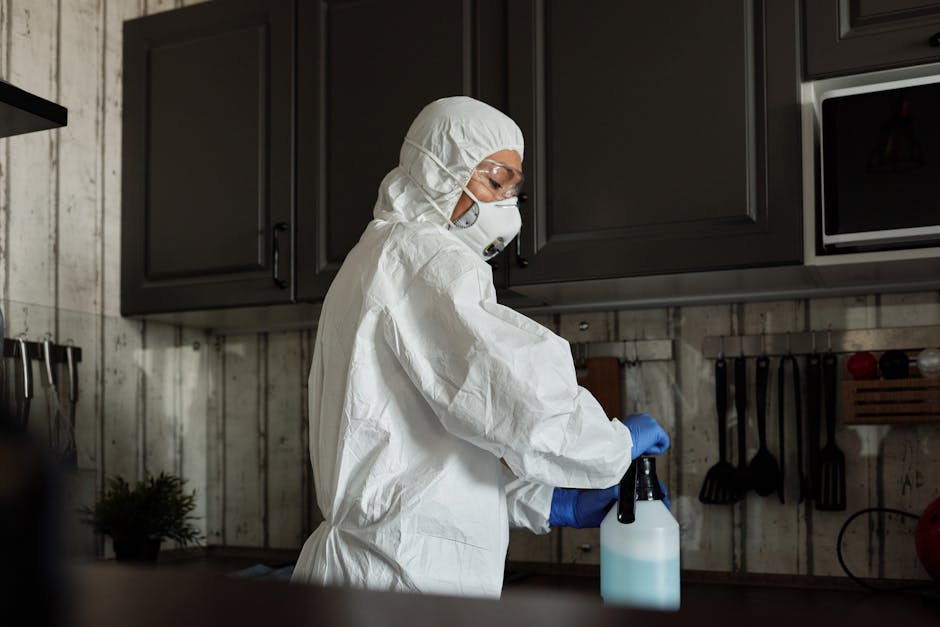
Different stains require different approaches. General cleaning might handle surface dirt, but specific blemishes like old coffee rings, greasy buildup, or pet accidents need targeted treatment. Understanding how to address these effectively prevents damage and ensures a clean base for your furniture makeover.
How do I remove old coffee rings from wood?
Coffee rings on wood furniture are notoriously stubborn. The dark pigment penetrates the wood grain. For light stains, a paste of baking soda and water often helps, gently rubbed with the grain. For deeper rings, especially those that have been present for a while, the heat and moisture from a hot water vacuum like the roborock F25 Ultra can be highly effective. The 86°C hot water loosens the dried coffee particles, allowing the strong suction to lift them out. Apply the hot water cleaning function directly to the ring, let it sit for a moment to penetrate, then activate the suction. Repeat if necessary, always wiping with the grain and drying quickly.
What about grease stains on kitchen chairs?
Kitchen chairs and tables often accumulate a sticky, greasy film, especially those near cooking areas. This grease attracts dust and makes surfaces feel unpleasant. Standard cleaners often just spread the grease. A powerful steam mop is the ideal solution. The 180°C steam from the roborock F25 Ultra effectively emulsifies grease on contact, converting it into a liquid that can then be easily wiped or vacuumed away. For particularly tough spots, a light application of a degreaser compatible with your furniture’s finish, followed by the steam function, will dissolve the buildup completely. The roborock F25 ACE Pro, with its JetFoaming technology, also excels at breaking down these types of stains, offering another robust option for challenging kitchen clean-ups.
Can pet accidents be truly eliminated?
Pet accidents on upholstered furniture or carpets are a common challenge. The primary issue is not just the visible stain, but the lingering odor caused by urine salts and bacteria. For these, a hot water extractor with strong suction is essential. The roborock F25 ACE Pro Nass-Trockensauger, boasting 25000Pa suction, can draw out moisture and contaminants from deep within fabrics. After blotting up as much liquid as possible, apply an enzymatic cleaner designed for pet stains, let it dwell, then use the roborock’s hot water cleaning function to thoroughly rinse and extract the solution. This process breaks down odor-causing molecules and lifts the stain effectively, ensuring the area is truly clean, not just masked.
DIY Furniture Makeovers: Smart Savings, Real Value
Deciding between buying new furniture and undertaking a DIY makeover often comes down to cost and perceived value. Many assume that buying new is always easier or cheaper in the long run. However, a well-executed furniture makeover can deliver significant financial savings and often results in a more unique, higher-quality piece than many mass-produced items available today. The financial benefits extend beyond the initial purchase, impacting your long-term budget and reducing waste.
Consider the cost of a new solid wood dresser versus the materials needed to refinish an existing one. The difference can be substantial. Furthermore, investing time in a DIY project builds skills and provides a sense of accomplishment. This section breaks down the financial arguments for choosing the DIY route.
Cost Comparison: New vs. Revived
| Item | New Purchase (Mid-Range) | DIY Makeover (Materials Only) | Potential Savings |
|---|---|---|---|
| Dining Table (Solid Wood) | $600 – $1,500 | $50 – $200 (Sandpaper, paint/stain, sealer) | $550 – $1,300 |
| Upholstered Armchair | $300 – $800 | $80 – $250 (Fabric, batting, staples) | $220 – $550 |
| Wooden Dresser | $400 – $1,000 | $40 – $150 (Primer, paint, hardware) | $360 – $850 |
| Coffee Table | $150 – $400 | $20 – $80 (Cleaner, stain, varnish) | $130 – $320 |
The table clearly illustrates the potential for savings. These figures represent averages, and extreme ends of the market can vary more. The DIY costs typically only cover materials, assuming you have basic tools or can rent them. Even factoring in a cleaning device like the roborock F25 ACE Pro at $661.75, which serves multiple cleaning needs beyond furniture, the combined savings on several pieces can quickly offset this investment.
The Long-Term Financial Benefit
Beyond the immediate cost savings, DIY furniture makeovers contribute to a more sustainable and financially savvy lifestyle. You extend the life of perfectly functional items, reducing waste and the demand for new manufacturing. This aligns with principles of responsible consumption. Furthermore, the skills you acquire during these projects, such as sanding, painting, or upholstery, are transferable. You become less reliant on professionals for minor repairs or updates, saving money in the future. The investment in quality cleaning tools also provides ongoing value for general home maintenance, keeping your entire living space cleaner and more presentable for longer.
Beyond the Shine: Essential Gear for Your Project
While deep cleaning lays the foundation, a successful furniture makeover requires a few other key tools. These tools address the physical transformation after the piece is thoroughly cleaned and prepped. Invest in quality items; they perform better and last longer.
For sanding, a random orbital sander is invaluable for smooth finishes. A good set of brushes and rollers ensures even paint application. Don’t forget proper protective gear like gloves and masks, especially when dealing with old finishes or strong chemicals. These additions make the process efficient and safe, complementing the deep cleaning efforts.
Keeping Your Furniture Pristine: A Maintenance Strategy
Once your furniture is revived and looking its best, consistent maintenance ensures it stays that way. Regular care protects your investment in time and materials, keeping your pieces looking fresh for years. This isn’t about deep cleaning every week, but about establishing smart habits.
Regular Cleaning Habits
- Dust Weekly: Use a microfiber cloth to gently wipe down surfaces. This prevents dust buildup from embedding into finishes or fabrics.
- Vacuum Upholstery: Use a vacuum cleaner attachment on upholstered items every 1-2 weeks. This removes surface dirt, pet hair, and crumbs before they settle deep into the fibers.
- Spot Clean Immediately: Address spills and stains as soon as they happen. Blot, don’t rub, to prevent the stain from spreading or penetrating deeper.
Handling Spills Immediately
Immediate action is critical for spills. For most liquids on sealed surfaces, a quick wipe with a damp cloth is enough. For tougher or sticky spills, or on fabrics, use your roborock F25 Ultra. Its hot water function can quickly tackle fresh spills on hard floors or even small fabric areas, preventing them from setting. The immediate suction prevents moisture damage and ensures quick drying. This proactive approach significantly reduces the need for intensive cleaning sessions later on, preserving your beautifully made-over furniture.