
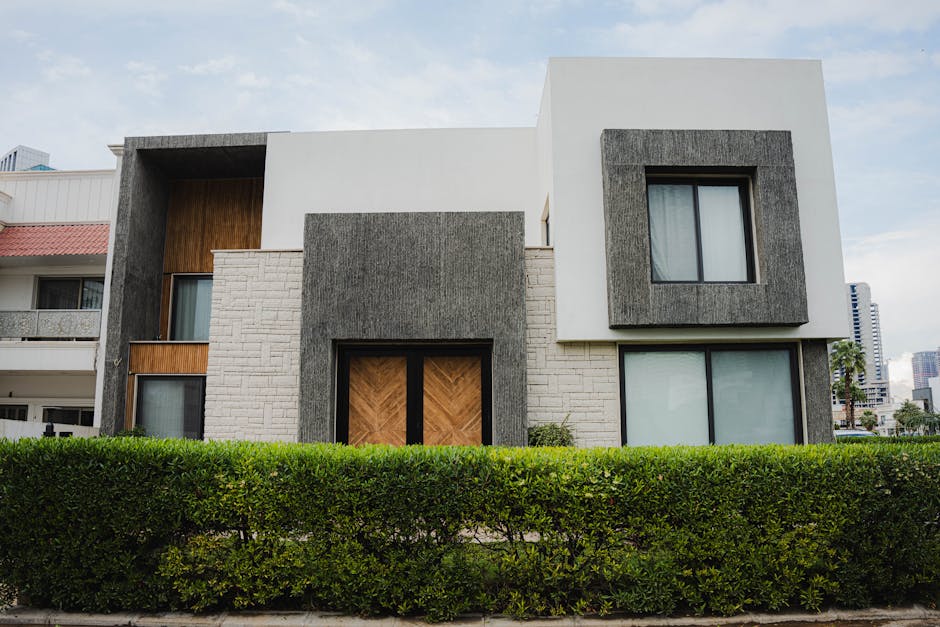
So, you’re standing in the paint aisle, staring at a wall of swatches. You want that perfect modern farmhouse look. You’ve probably got a dozen little paper squares in your hand, all labeled "white" or "gray," and they all look… different. And none of them look quite right under those fluorescent store lights.
I’ve been there. Trust me, I’ve painted more modern farmhouse homes than I can count over the last decade. From gut renovations to simple refreshers, I’ve seen paint colors utterly transform a space, and I’ve seen them totally fall flat. I’ve made my share of mistakes, and I’ve learned a ton about what truly works, what just looks good on Instagram, and what will stand the test of time (and light conditions) in a real home by 2026.
Forget the endless Pinterest scrolling for a second. Let me tell you what actually makes a difference.
The Silent Killer of Modern Farmhouse Charm: Undertones
Here’s the thing about modern farmhouse style: it thrives on simplicity, warmth, and natural light. But if you get your paint color wrong, especially with neutrals, that whole vibe collapses. I can’t tell you how many times I’ve seen someone pick a "perfect white" or a "light gray," only for it to look sterile blue or dingy yellow on their walls. The problem almost always comes down to undertones.
Undertones are those subtle colors lurking beneath the main shade. Think of it like this: a white isn’t just white; it has a tiny hint of yellow, pink, blue, or green. Grays aren’t just gray; they lean blue-gray, green-gray, or purple-gray. These undertones are the reason a paint color looks fantastic in one house and terrible in another. They react to natural light, artificial light, and even the colors of your flooring, furniture, and cabinetry.
I used to dismiss them. I’d grab a white I liked and assume it would work. Big mistake. I once painted an entire living room for a client with what I thought was a crisp, clean white, only to have it reflect their dark wood floors and cast a sickly green hue across the room. It looked like a hospital waiting room. We had to repaint the whole thing, which meant extra days on the job and a very unhappy client (and me!). That taught me a hard lesson: never underestimate undertones.
The key to avoiding this disaster? Testing, and knowing what you’re looking for. A true modern farmhouse aesthetic usually leans towards warm or balanced neutrals. You want colors that feel inviting, not cold or stark. This means often avoiding grays with strong blue or purple undertones unless you’re intentionally trying to create a very cool-toned, minimalist space, which isn’t the classic farmhouse feel.
Why Your "Perfect White" Turns Yellow or Blue
Most people want a crisp, clean white. But many whites have a warm, yellow, or creamy undertone. Take Sherwin-Williams Pure White (SW 7005). It’s a beautiful soft white, but if your home has a lot of cool-toned natural light (north-facing windows, for example), or you pair it with stark white trim, its subtle yellow undertone can become more pronounced, making it look yellow or even dingy in comparison. On the flip side, some "cool whites" like Sherwin-Williams Extra White (SW 7006) can look overly blue or stark in certain light, making a room feel clinical. The trick is understanding how your specific lighting interacts with the paint’s base. South-facing rooms get warm, intense light, which can neutralize cool undertones or make warm ones more vibrant. North-facing rooms get cooler, softer light, which can intensify cool undertones. East and west-facing rooms change dramatically throughout the day.
Testing Swatches Like a Pro (It’s Not Just Light)
Don’t just tape tiny swatches to the wall. That’s useless. Buy sample pots, usually about $5-7 each, and paint large sections (at least 2×2 feet) on multiple walls in the room. Don’t paint right next to your existing wall color; paint it on a white poster board first, or use a large peel-and-stick sample. Observe the colors throughout the day and night. See how they look with natural light, lamps on, and even different types of bulbs (warm vs. cool LED). I always recommend painting two coats, just like you would the real thing, to get an accurate representation. Also, consider the fixed elements in your room: your flooring, countertops, brick fireplace. These elements have their own undertones and will influence how your paint color appears.
My Go-To Warm Neutrals That Never Fail (And One to Skip)

When clients ask for tried-and-true modern farmhouse colors, these are the ones I reach for. They consistently deliver that comfortable, inviting feel without any jarring surprises. I’ve seen them work in dozens of homes, from new builds to century-old farmhouses.
- Sherwin-Williams Alabaster SW 7008: The Real MVP
If you want a soft, creamy white that won’t feel stark or cold, Alabaster is my absolute favorite. It’s got a warm, almost beige undertone, but it’s very subtle. It reflects light beautifully, making rooms feel brighter and more expansive, but it never leans yellow. It’s perfect for walls, trim, cabinets – you name it. It’s truly versatile. I’ve used it in homes with dark wood accents, light oak, and even black-painted trim, and it always looks fantastic. For a typical gallon, expect to pay around $60-80, depending on the paint line (SuperPaint vs. Emerald, for instance). It has an LRV (Light Reflectance Value) of 82, meaning it reflects a lot of light.
- Benjamin Moore Revere Pewter HC-172: My Favorite Greige
For those who want more color than white but still a neutral, Revere Pewter is my go-to greige. It’s a chameleon color – it can look more gray or more beige depending on the light, but it always maintains a beautiful warmth. It has a slight green undertone, which actually helps it feel grounded and natural, fitting perfectly with the farmhouse aesthetic. It’s fantastic in living rooms, dining rooms, and even bedrooms where you want a cozy, sophisticated feel. Benjamin Moore paints are typically in the $70-90 range per gallon. Revere Pewter’s LRV is 55.5, making it a medium-light color.
- Sherwin-Williams Accessible Beige SW 7036: A True Warm Beige
Sometimes, white or gray just isn’t enough warmth. If you want a comforting, earthy beige that isn’t dated, Accessible Beige is excellent. It’s a true, light beige without strong yellow or orange undertones. It pairs wonderfully with natural wood tones, antique furniture, and creamy whites for trim. It creates a very inviting, cozy atmosphere. I often use it in homes that have a lot of natural textures and want to lean into that rustic-chic side of modern farmhouse. Its LRV is 58. For the same Sherwin-Williams SuperPaint line, pricing is consistent with Alabaster.
Why I Avoid Sherwin-Williams Agreeable Gray (Sometimes)
Okay, this one is going to get me some heat, but hear me out. Agreeable Gray (SW 7029) is Sherwin-Williams’ best-selling color for a reason: it’s perfectly balanced. It’s a true greige, not too warm, not too cool. In a lot of homes, it looks absolutely stunning. However, for a *modern farmhouse* aesthetic, I find it can sometimes lean a touch too cool, especially in north-facing rooms. Its subtle purple undertone can sometimes appear in certain lighting, which isn’t the cozy, rustic vibe most people are after with farmhouse style. If your home has a lot of cool lighting or modern furnishings, it can work, but if you’re aiming for that warm, inviting, traditional farmhouse feel, I often recommend Revere Pewter or Accessible Beige instead. I’m not saying it’s a bad color – it’s phenomenal – but it’s not always the *best* choice for a specific modern farmhouse vision.
The Best Cool Tones to Balance Modern Farmhouse (Without Feeling Cold)
Even though modern farmhouse leans warm, sometimes a touch of cool can bring a space to life, providing contrast and sophistication. The trick is selecting cool tones that still have a softness to them, avoiding anything too stark or saturated. These aren’t just for walls; they work incredibly well for accent pieces, cabinets, or even exterior shutters.
I learned this lesson after a client insisted on a true navy for their kitchen island in a largely white and beige farmhouse kitchen. It felt heavy, a bit aggressive. We repainted it with a softer, muted blue-gray, and it immediately felt cohesive and calming, providing that perfect pop without overpowering the space. It’s all about restraint and finding colors with enough gray or muted quality to keep them from being too vibrant.
Benjamin Moore Gray Owl OC-52: A Gentle Sophistication
Gray Owl is a fantastic light gray that has a definite green-blue undertone. But here’s why it works: it’s incredibly soft and light. It doesn’t scream "blue" or "green," but rather provides a very subtle hint of color that feels fresh and airy. It’s perfect if you want to break up all the creamy whites and beiges without introducing a strong, distracting color. It pairs beautifully with white trim (like Benjamin Moore Chantilly Lace OC-65) and natural wood. I’ve used it in bathrooms and laundry rooms for a spa-like feel, and in bedrooms where a calm, serene atmosphere is desired. Its LRV is 65.7, making it a very light gray. Price per gallon is similar to Revere Pewter, around $70-90.
Sherwin-Williams Sea Salt SW 6204: A Hint of Serenity
Sea Salt is a really interesting color. It’s a pale, muted green-blue-gray that feels incredibly tranquil. It’s like a breath of fresh air. It’s not overtly colorful, but it provides just enough pigment to add personality. In rooms with lots of natural light, it can lean more green; in dimmer light, it might appear more gray-blue. This versatility is what makes it so charming. I love it for accent walls in bedrooms, for bathroom cabinetry, or even in a sunroom. It perfectly captures that relaxed, nature-inspired element often found in modern farmhouse design. Its LRV is 63. Pricing is in line with other Sherwin-Williams options, roughly $60-80 a gallon. Pair it with Alabaster trim for a cohesive, calming look.
Exterior Farmhouse Paint: Will It Last Until 2026?
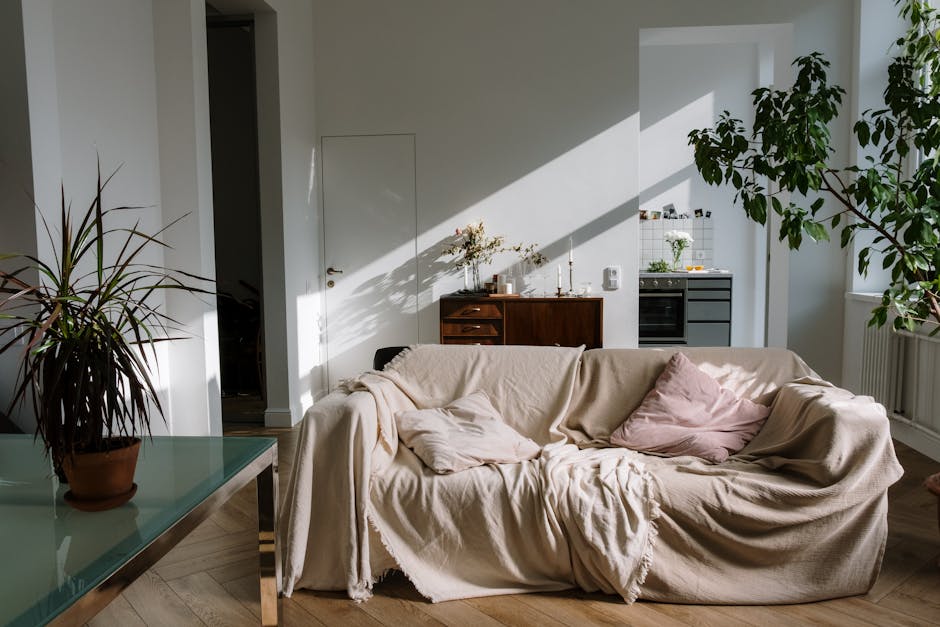
When it comes to the exterior of your modern farmhouse, durability is just as important as aesthetics. You don’t want to be repainting every couple of years. The choices you make now, in 2026, need to hold up against sun, rain, and everything else nature throws at it. I’ve seen paint flake after two years because someone used cheap interior paint outside, or failed to prep the surface properly. It’s a costly mistake.
What Exterior Finishes Are Best for Farmhouse?
For modern farmhouse exteriors, I almost always recommend a flat or matte finish. They absorb light, giving a soft, inviting look that complements the rustic appeal of the style. Glossier finishes can look too modern or even cheap on a farmhouse. As for paint type, always go for a high-quality acrylic latex exterior paint. Brands like Sherwin-Williams Emerald Exterior or Benjamin Moore Aura Exterior are worth the investment. They offer superior durability, fade resistance, and mildew protection. Expect to pay anywhere from $80-120 per gallon for these premium exterior lines, but they will save you money and headaches in the long run. Primer is essential, especially on new wood or previously unpainted surfaces. Don’t skip it.
How Often Should I Repaint My Farmhouse Exterior?
With a good quality paint and proper surface preparation, you should expect your exterior paint job to last 5-10 years. That’s a general guideline. Houses in harsher climates (lots of sun exposure, heavy rain, extreme temperature fluctuations) might need repainting sooner. Regular cleaning (a gentle power wash every 1-2 years) can extend the life of your paint job significantly. Look for signs of peeling, blistering, or significant fading as indicators that it’s time for a refresh. Don’t wait until the paint is failing everywhere; catching it early makes the job much easier.
Can I Use Interior Paint Colors Outside?
Absolutely not. This is a common rookie mistake and a recipe for disaster. Interior paints are formulated differently. They lack the UV protection, mildew resistance, and flexibility needed to withstand exterior elements. Using interior paint outside will lead to premature fading, cracking, peeling, and mildew growth, often within a year or two. Always use paint specifically labeled for exterior use. While you can often find an exterior version of a popular interior color (e.g., Sherwin-Williams Alabaster is available in both interior and exterior formulations), never just grab an interior gallon for outside work.
The Single Biggest Lesson I’ve Learned About Paint
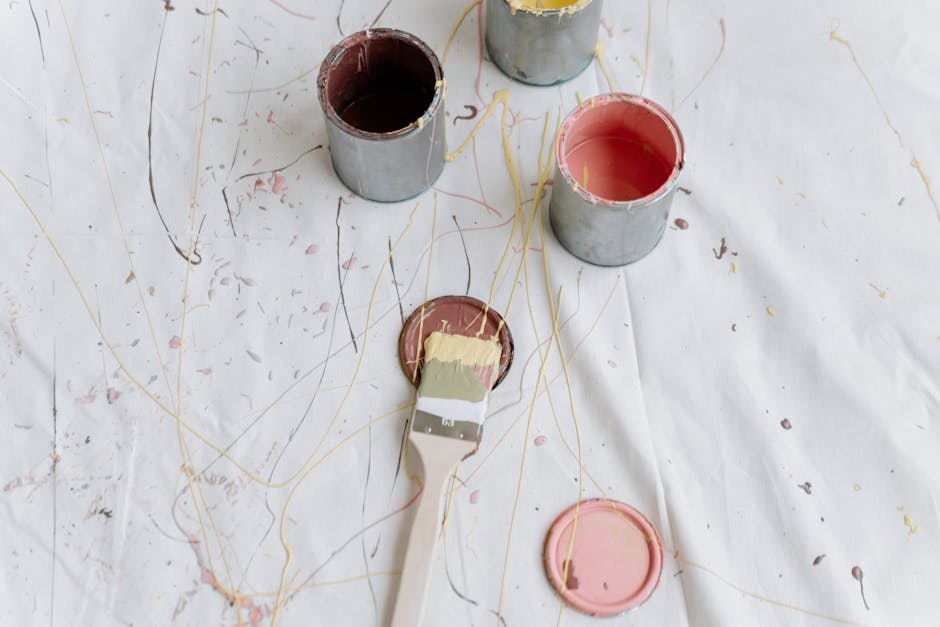
After years of painting homes and fixing color disasters, it all boils down to one simple truth: test, test, test. Don’t ever rush the paint selection. That initial confusion you feel in the paint aisle? It’s real. But by taking the time to test samples in your actual home, under your actual lighting, you save yourself so much grief and expense. It’s the difference between a house that feels like home and one that just feels… off.
So, next time you’re standing there, overwhelmed by a wall of swatches, remember my advice. Grab those samples. Paint them big. And watch them through the day. You’ll find that perfect modern farmhouse color, I promise.
