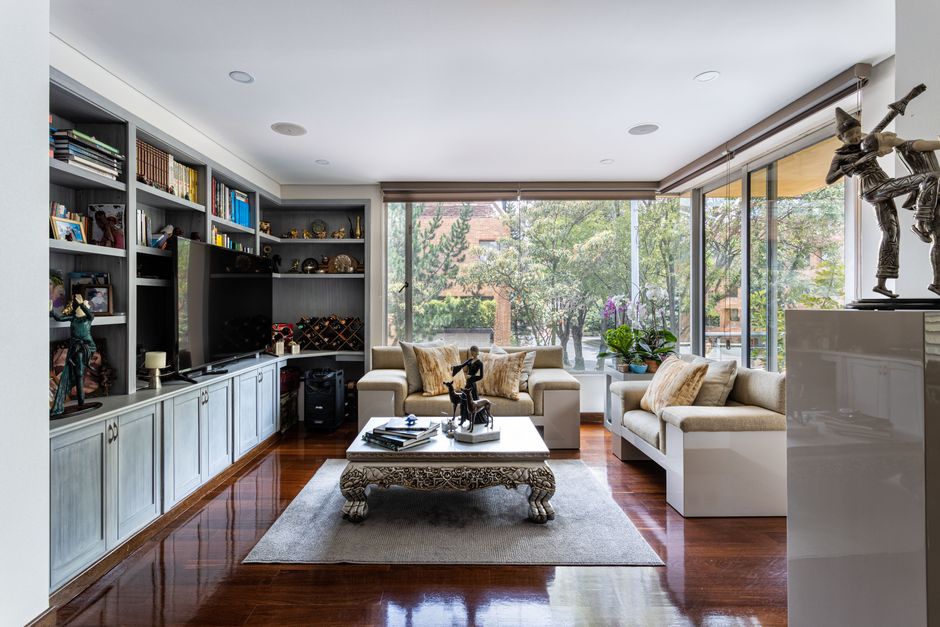
You picked the perfect sofa. You spent three weekends agonizing over the wall color. But when the sun goes down, the room feels flat, sterile, or somehow dirty. The culprit is rarely the furniture. It is the Kelvin rating on the bulb in your lamp. Most people buy a box of whatever is on sale at the hardware store, screw it in, and wonder why their $3,000 sofa looks like it belongs in a hospital waiting room.
Here is the short answer: for a living room, you want a bulb rated at 2700K to 3000K. That is the range that mimics incandescent light and makes skin tones and wood textures look natural. But the “why” matters more than the number, because choosing wrong changes the entire physics of how your room reflects light.
The Physics of Kelvin: Why Higher Numbers Don’t Mean Brighter
There is a persistent myth that a higher Kelvin number means a brighter light. That is false. Kelvin measures the spectral output of the light—the color of the glow—not the intensity. Intensity is measured in lumens.
Think of a piece of metal in a forge. When you heat it, it first glows red, then orange, then yellow, then blue-white. The Kelvin scale charts that progression. A flame is roughly 1800K. A standard incandescent bulb burns at 2700K. The sun at noon is about 5500K.
The problem in living rooms arises because we use these rooms at night. Your brain is hardwired to associate blue-white light (4000K and above) with midday sun. That triggers a cortisol response. You feel alert. You feel awake. That is great for an office or a garage. It is terrible for a room where you are trying to watch a movie or have a glass of wine.
When you put a 4000K bulb in a living room, you are telling your brain it is 2:00 PM. The room feels “off” because your circadian rhythm is fighting the environment. You are trying to relax under lighting that is biologically designed to keep you working.
2700K vs 3000K vs 4000K: The Direct Comparison
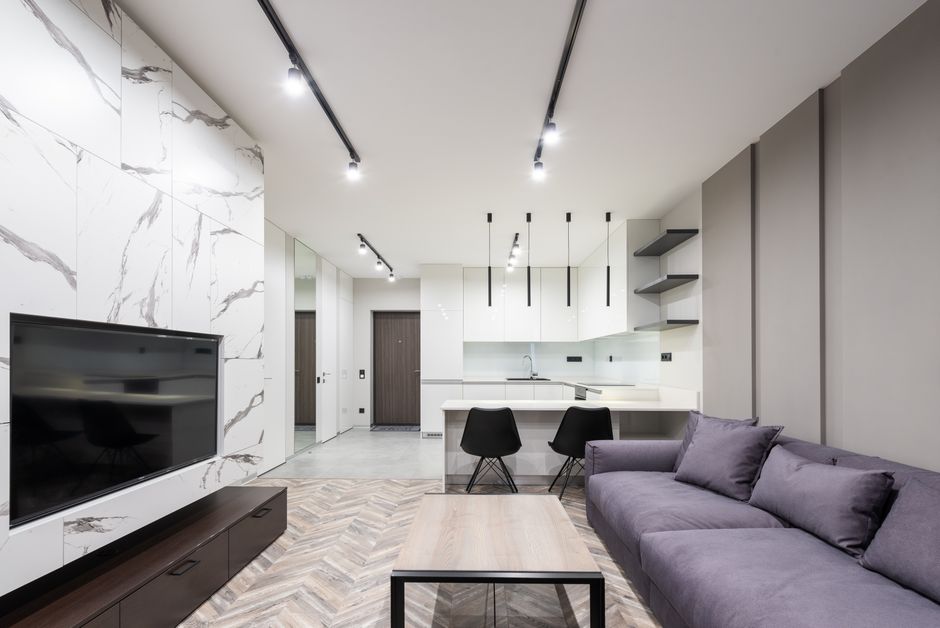
If you are standing in the lighting aisle right now, you are likely looking at three options: Soft White, Warm White, and Bright White/Cool White. Here is exactly how they perform against the specific materials found in a living room.
| Feature | 2700K (Soft White) | 3000K (Warm White) | 4000K (Cool White) |
|---|---|---|---|
| Visual Effect | Yellow/Amber glow | Warm white, slight yellow | Neutral white, no yellow |
| Best For | Relaxing, watching TV, traditional decor | Reading, task lighting, modern decor | Garages, offices, laundry rooms |
| Effect on Wood | Enhances red/orange tones | Balances natural grain | Washes out warmth, looks gray |
| Effect on Skin Tone | Flattering, warm | Natural | Harsh, highlights blemishes |
| Eye Strain at Night | Low | Low to Moderate | High |
The verdict here is specific. If you have a traditional living room with a brown leather sofa or walnut flooring, 4000K is a disaster. It strips the red spectrum from the wood, making expensive hardwood look like cheap laminate. If you have a stark white minimalist room, 4000K might be acceptable, but it will still feel like a showroom, not a home.
The Paint Color Trap: Why Your Gray Walls Look Purple
This is the most common lighting failure I see in 2026 renovations. You paint your living room a trendy “greige” or “cool gray.” You install a 3500K or 4000K LED fixture. Suddenly, the walls look blue or purple. The paint color didn’t change. The light did.
Color temperature interacts violently with paint pigments. A bulb with a high blue content (4000K) will amplify the blue undertones in gray paint. It makes the room feel cold and clinical, which is the opposite of what you want in a living space.
If you committed to a cool color palette on the walls, you need to counteract it with warmth. A 2700K bulb will add yellow and red photons back into the room, neutralizing the blue in the paint. The result is a balanced, neutral look.
If you use a 4000K bulb with warm beige or cream walls, the walls look dirty. The warm paint reflects the blue light poorly, absorbing the warmth and leaving a muddy cast. The rule is simple: match the light to the function, not the paint chip.
When to Break the 2700K Rule
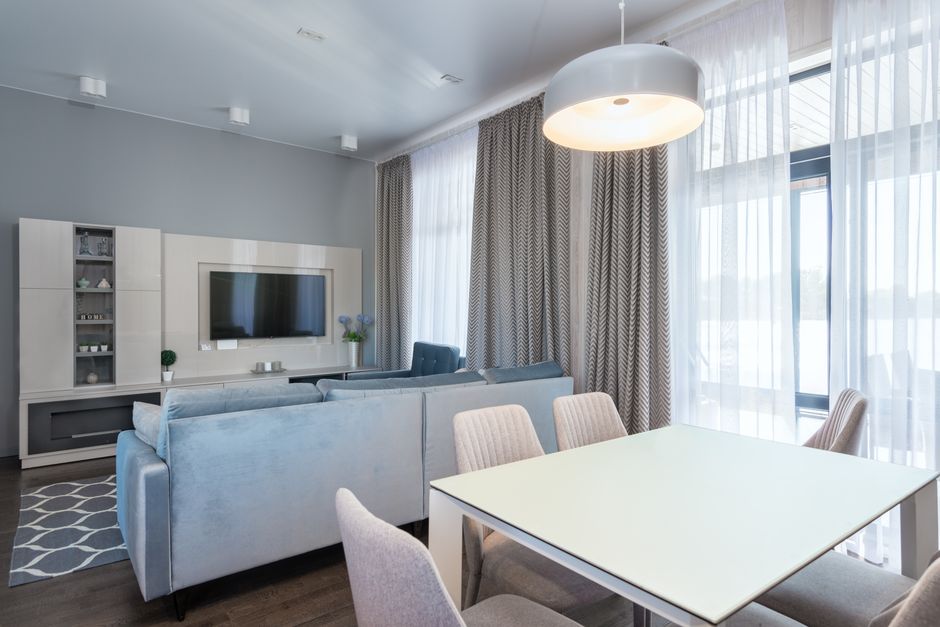
There are exactly three scenarios where I tell people to ignore the standard advice and go brighter.
1. The Reading Corner. If you have a dedicated reading chair with a floor lamp, a 3000K to 3500K bulb is superior. The slight increase in blue content increases contrast on the page. It reduces squinting. The Philips Hue White Ambiance bulb allows you to dial this in precisely, shifting from 2200K to 6500K, but a standard 3000K LED from a brand like Cree works fine.
2. The Art Wall. If you are lighting artwork, you need a high CRI (Color Rendering Index) bulb. A bulb with a CRI of 90+ at 3000K will render the pigments in the art accurately without making the room feel like a surgery theater. The GE Reveal line is a decent budget option here.
3. The “I Need to Stay Awake” Scenario. If you work from your living room couch during the day, you might want a lamp with a 4000K bulb for daytime use. You can turn it off at 6:00 PM and switch to the warm lamps. This is the “layered lighting” approach and it is the only way to make a living room truly functional for both work and rest.
The Dimmer Switch Non-Negotiable
Buying the right color temperature is step one. Step two is giving yourself control over it. A bulb at 2700K running at full brightness in a small room is still too harsh. You need a dimmer.
When you dim an incandescent bulb, it gets warmer. That is physics. When you dim an older LED, it just gets darker. The color stays the same. This is why some people hate LEDs. They feel “flat.”
The fix is to buy “warm dimming” or “dim-to-warm” LEDs. The Philips Warm Glow series or the Feit Electric Enhance line are designed to shift from 2700K down to 2200K as you dim them. This mimics the behavior of a candle or an old Edison bulb. It allows you to go from “bright enough to clean” to “soft enough to sleep” with a single slide of the switch.
If you don’t install a dimmer, you are stuck with one static mood. That is not a living room. That is a lobby.
Lumens vs. Kelvin: The Brightness Confusion

You need to know how much light you are getting. A 2700K bulb at 800 lumens is bright. A 2700K bulb at 400 lumens is cozy. A 4000K bulb at 800 lumens is blinding.
For a standard 12×15 foot living room, aim for a total of 1,500 to 3,000 lumens across all your fixtures. Do not try to light the entire room with one overhead fixture. Use lamps. A floor lamp in the corner with a 800-lumen bulb, a table lamp on the sideboard with a 450-lumen bulb, and a small accent light behind the TV (a bias light) is the correct recipe.
The bias light behind the TV is a specific trick. A 6500K strip light behind the screen actually reduces eye strain by raising the ambient light level around the screen, but it ruins the warm mood. Use a 2700K strip instead. It still reduces the contrast strain, but it blends with the room.
The Verdict on Smart Bulbs
Are smart bulbs worth it for color temperature? Yes, if you are indecisive or if your room serves multiple purposes. The Wyze Bulb Color is the budget pick, usually around $15. The Philips Hue is the premium pick at $50 a bulb.
But here is the failure mode: most people buy smart bulbs, play with the colors for one week, and then leave them on a default setting forever. If you are not going to automate the color temperature shifts (warm in the evening, neutral in the morning), you are wasting money. A standard LED at 2700K costs $2. Buy the cheap bulb for the permanent fixtures. Buy a smart bulb only for the lamp you use most.
Lighting is the cheapest way to make an expensive room look expensive. The right Kelvin rating makes your paint look richer, your wood look deeper, and your skin look healthier. The wrong one makes it look like a rental unit with a landlord special. Choose warm. Choose dimmable. Choose lamps over overheads. The room will finally look the way you imagined it when you bought the sofa.