Why tiny apartments need a storage system, not more bins
The best tiny studio apartment storage hack is to stop treating storage as a shopping problem. A studio feels crowded when the room has no clear place for daily items, occasional items, and things that should leave the apartment. More containers can hide clutter for a week, but a simple system keeps the floor, sofa, and kitchen counter usable every day.
Measure the negative space first
Start with a tape measure and record four numbers: the width of the entry wall, the depth beside the bed, the clearance under the bed, and the walking route from the door to the bathroom. Leave at least 24 inches for a comfortable main walkway and 30 to 36 inches where you open drawers or move around a chair. A shelf that fits on paper can still make the room feel blocked if its doors open into the only clear path.
Assign homes by frequency
Daily items belong between waist and shoulder height. Weekly items can sit in a lower drawer or a closed cube. Seasonal clothes, spare bedding, and tax papers can go under the bed or on the highest shelf. This frequency-first rule cuts down the small daily mess that makes a studio look full, even when the total amount of stuff is reasonable.
Protect the walkway
Storage should make movement easier, not force you to walk sideways. Keep tall pieces against a wall, use shallow furniture near the entrance, and avoid placing baskets where a door needs to swing. The clearest studio layouts use vertical space and hidden zones before they add another item at floor level.
Four low-cost hacks you can build before buying furniture
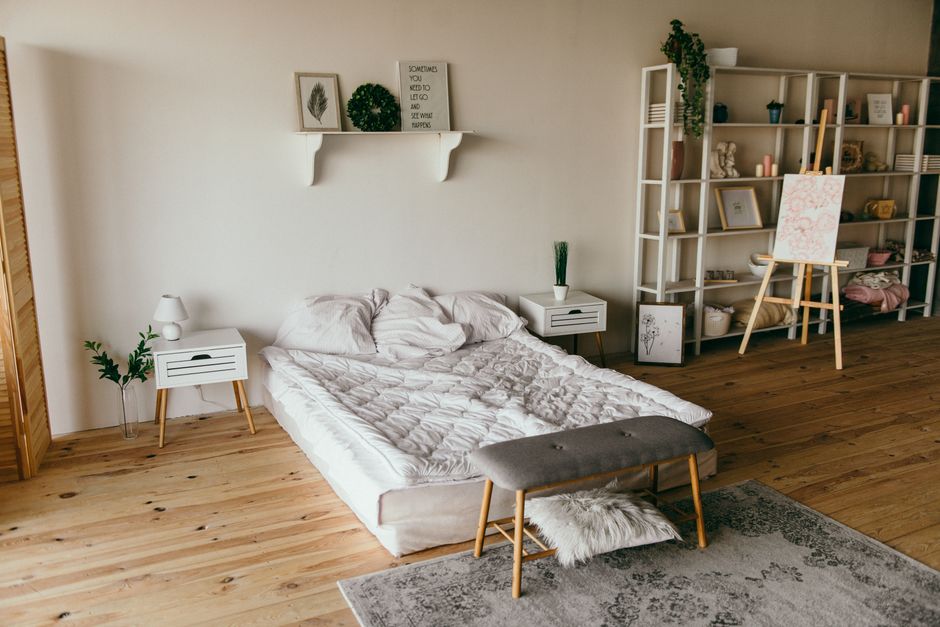
These first four hacks cost little because they change how the room works before you add a large storage piece.
Hacks 1–4: recover space that is already there
- Use the back of every door. Add an over-door organizer for cleaning cloths, scarves, or pantry packets. Check the door gap first; a thick organizer can stop the door from closing.
- Turn the bed into a seasonal closet. Measure the space under the frame, then use matching zip bags for coats, spare sheets, and shoes. Label each bag on two sides so you can find it without pulling everything out.
- Create a landing strip at the entrance. Mount three hooks at 60, 66, and 72 inches from the floor, then add one narrow tray for keys. Keep only the items used on most days in this zone.
- Give the kitchen a vertical reset. Move cutting boards, baking sheets, and pot lids into a slim divider beside the oven. Store the heaviest pieces at the bottom and leave enough room for your hand to remove each one.
Why these hacks beat random containers
Each move gives one category a fixed location and removes friction from a repeated task. The failure mode is buying organizers before measuring: a door rack that hits a wall, an under-bed box that cannot clear the frame, or a divider that steals more cabinet width than it saves. Spend ten minutes testing cardboard mockups first. If a box blocks a drawer, it is the wrong size, even if its label says small-space storage.
Which studio storage option gives the most usable space?
Use the comparison below to match each storage move with the space it needs and the problem it solves. Prices are listed as observed U.S. prices and can change by store or location.
The quick comparison
| Storage option | Listed price | Size | Best use | Main drawback |
|---|---|---|---|---|
| IKEA KALLAX shelf unit | $99.99 | 43 7/8 W x 15 3/8 D x 43 7/8 H in. | Room divider and cube storage | Needs wall anchoring |
| IKEA RÅSKOG utility cart | $39.99 | 13 3/4 W x 17 3/4 D x 30 3/8 H in. | Mobile kitchen, craft, or bathroom storage | Open shelves show clutter |
| IKEA SKUBB storage case | $8.99 | 17 W x 20 3/4 D x 7 1/2 H in. | Under-bed clothing and bedding | Soft sides do not protect fragile items |
How to read the tradeoff
The KALLAX creates the biggest visual change because it can split a sleeping area from a living area, but its 15 3/8-inch depth takes real floor space. The RÅSKOG wins for renters who need flexible access because its wheels let one cart serve several zones. The SKUBB case is the cheapest way to reclaim under-bed volume, but it cannot replace a hard-sided box for electronics or breakables.
Bottom Line: Pick KALLAX when you need a divider, RÅSKOG when storage must move, and SKUBB when the unused space is under the bed. This is not financial advice; treat the price figures as a planning guide, not a promise of a final checkout total.
My strongest recommendation: make storage move with your routine
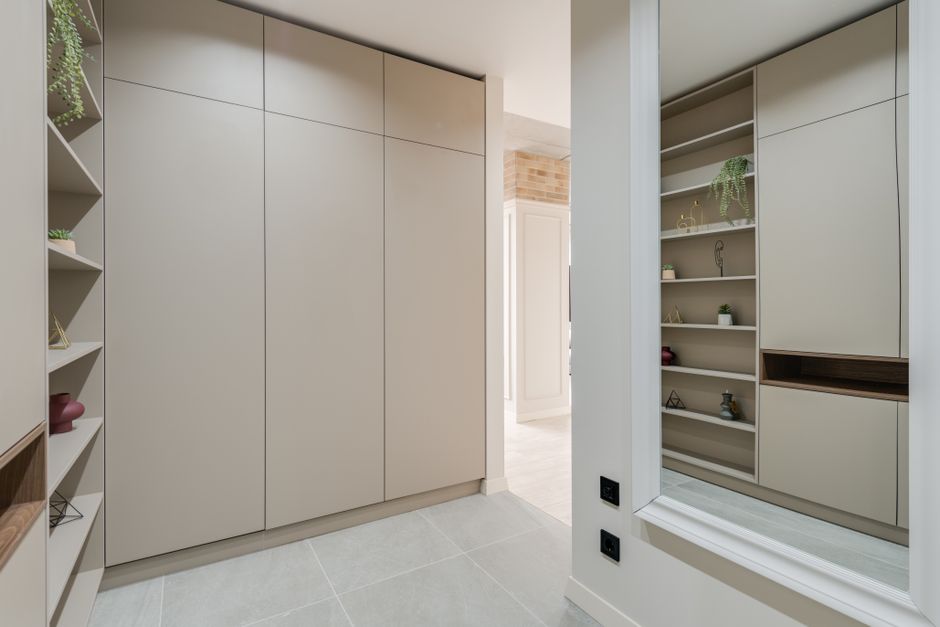
For most studio renters, a mobile cart plus closed under-bed storage is the best starting combination. It costs less than a new wardrobe, avoids drilling into most walls, and lets one storage zone follow the task instead of making you walk across the room for every item.
Hack 6: roll supplies where you use them
The IKEA RÅSKOG is 13 3/4 inches wide, 17 3/4 inches deep, and 30 3/8 inches tall, with three open levels and lockable wheels. Put coffee, tea, and mugs on the top shelf; cleaning supplies in a handled bin on the middle shelf; and heavier refill bottles at the bottom. In a bathroom, use it for towels and hair tools. Near a desk, it can hold paper, chargers, and notebooks.
Do not overload the top shelf. A tall stack can make the cart feel unstable when you pull it around the bed. The winning setup is one that can be rolled into a corner after use, leaving the main floor clear.
Hack 7: close the visual noise
The IKEA SKUBB storage case costs $8.99 in the listed 17 x 20 3/4 x 7 1/2-inch size. Its soft recycled-polyester body works well for sweaters, spare linens, and seasonal accessories. Choose one label per case, such as winter clothes or guest bedding, rather than mixing unrelated items. That small decision prevents the familiar problem of opening five boxes to find one scarf.
For a polished studio, use closed storage for small irregular objects and open shelving for books, plants, or a few display pieces. The room looks calmer when the storage shows a deliberate mix of hidden and visible items.
Common studio storage mistakes and the fixes
Small spaces punish vague planning. A piece can be attractive, affordable, and still make the room harder to live in.
Why does the room still look cluttered after organizing?
Open storage exposes too many small objects. If every cube contains cables, toiletries, papers, and loose accessories, the shelf becomes a visual wall of unfinished tasks. Add fabric bins to the lower cubes, group items by one activity, and leave at least one compartment partly empty. Empty space is useful because it absorbs the next delivery, laundry load, or hobby project without creating a pile.
When should you not buy a large shelving unit?
Do not buy a large divider if your studio has less than 30 inches of clear circulation around the proposed location, if the lease forbids anchoring, or if the furniture would block a radiator, window, or electrical panel. A narrow rolling cart and two under-bed cases are better than a tall unit that creates a daily obstacle. Also skip oversized storage for items you rarely use; donate or sell those items first.
Another common mistake is storing heavy books on high shelves. Keep dense items low, check the stated load limit, and anchor tall furniture to a stud or suitable wall hardware. Storage is only successful when the apartment remains safe and easy to reset.
The final reset that keeps a tiny studio usable
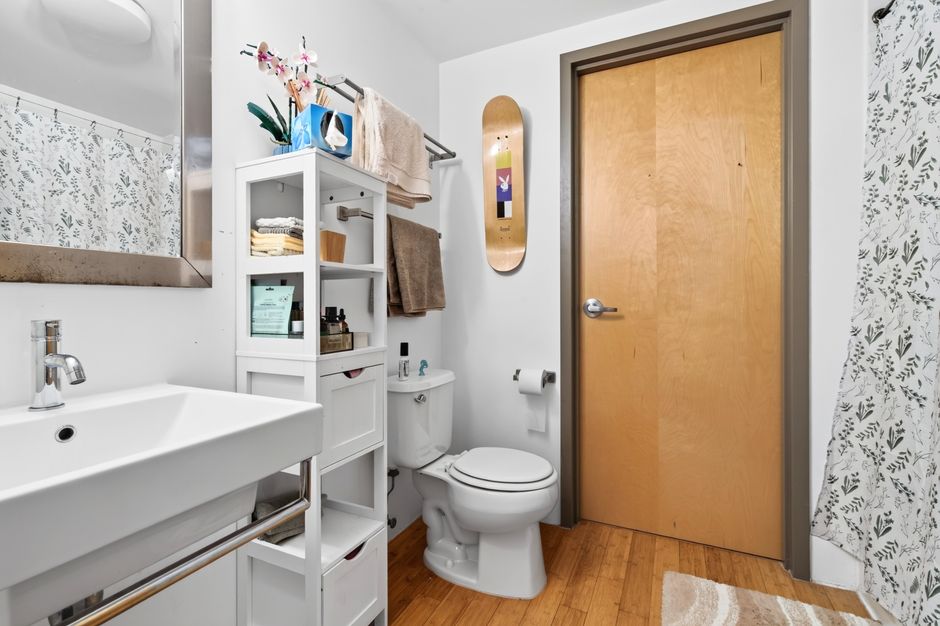
The 10-minute reset
Put every daily item back in its assigned zone, return mobile storage to its parking spot, clear the main walkway, and move anything used less than once a week into a lower or hidden zone so the room is ready for tomorrow instead of displaying the evidence of today.
The clear verdict
The best tiny studio apartment storage plan is not the one with the most shelves; it is the plan that protects movement, hides low-frequency items, and keeps daily objects within one easy reach, so start with the bed, doors, and unused wall height before spending money on another cabinet.
For a renter with limited cash, use door hooks, labeled soft cases, and one mobile cart first; for a studio that also needs a visual bedroom divider, add a securely anchored cube shelf only after measuring the walkway and checking the lease.
That sequence turns a crowded single room into a home with zones: sleep, work, cook, enter, and rest, with each zone carrying fewer loose objects and a clear place to put them back.