How do you make a living room feel warmer in winter without filling it with blankets and orange lamps? Start with the surfaces your body touches, the light that reaches your eyes, and the empty space around the furniture. Those three details change comfort faster than seasonal decorations.
I have found that the best winter rooms are not the most decorated ones. They have a soft landing underfoot, light at more than one height, and seating arranged for conversation instead of aimed at a blank wall. The improvements can be small, but they need to happen in the right order.
Which winter textiles fix the coldest parts first?
Buy textiles in order of contact and coverage: floor first, seating second, windows third. This approach prevents the common mistake of buying five decorative pillows while the room still feels cold underfoot. Prices below are typical US prices used as a practical 2026 reference; sales and regional stock can change them.
| Textile | Useful winter specification | Example | Typical price |
|---|---|---|---|
| Area rug | 5 by 7 feet minimum for a small seating zone | IKEA VINDUM, 5 feet 7 inches by 7 feet 7 inches | About $300 |
| Washable rug | Low pile, rubberized backing, 5 by 7 feet | Ruggable Kamran, 5 by 7 feet | About $250 |
| Wool blanket | At least 50 by 70 inches for one sofa seat | Pendleton Eco-Wise Wool Blanket | About $200 |
| Seat cushion | Two inches of loft with a washable cover | Indoor cotton or linen cushion | $20 to $60 |
Choose the rug by furniture footprint
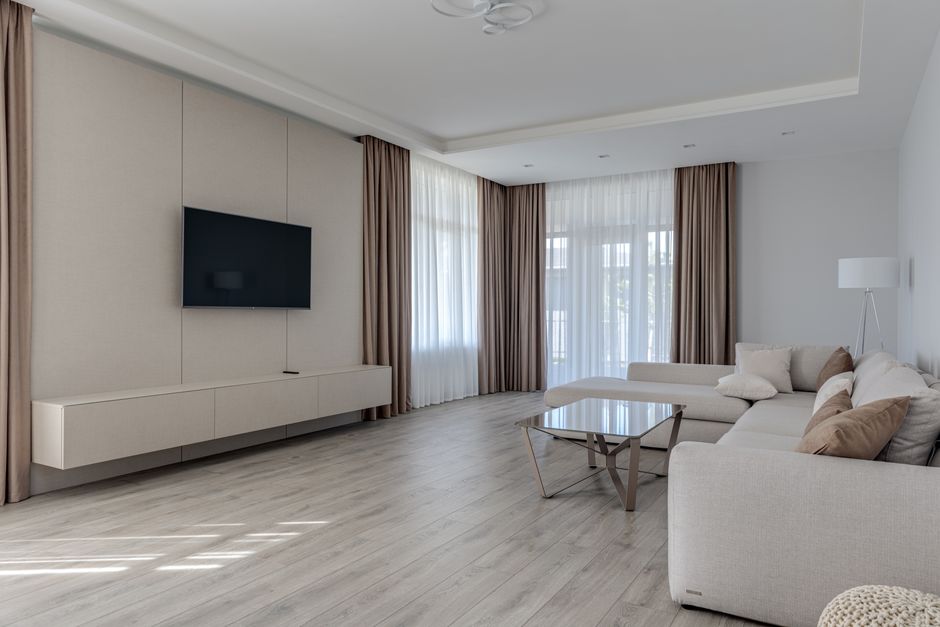
The rug should connect the furniture, not sit like a postage stamp beneath the coffee table. In a compact room, place the front legs of the sofa and chairs on the rug. In a larger room, put all four legs of the seating on it. Leave roughly 18 to 24 inches of visible floor between the rug and the walls when the room allows it.
My pick for a busy household is the Ruggable Kamran because the washable two-piece design handles spills better than a delicate high-pile rug. It is not the softest option under bare feet, so the IKEA VINDUM is the better choice for a quiet room where comfort matters more than easy cleaning.
Layer throws for use, not color alone
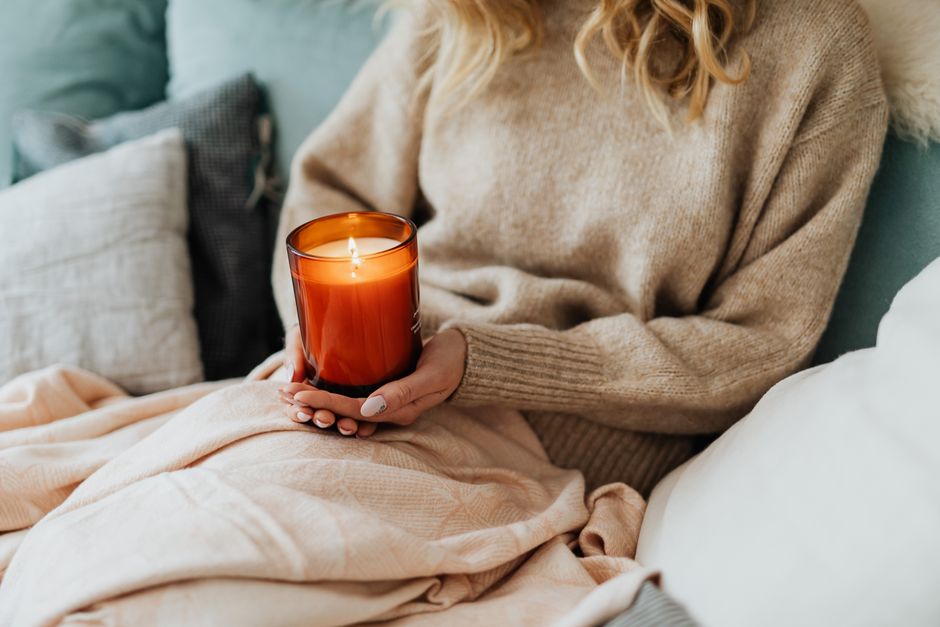
A throw should stay within arm’s reach of the seat where someone will use it. Fold one over the arm of the sofa and place another in a basket beside the reading chair. A wool blanket such as the Pendleton Eco-Wise Wool Blanket gives more insulation than a thin acrylic throw, but it can feel scratchy against bare skin. If that bothers you, choose cotton fleece or place the wool over a soft cotton layer.
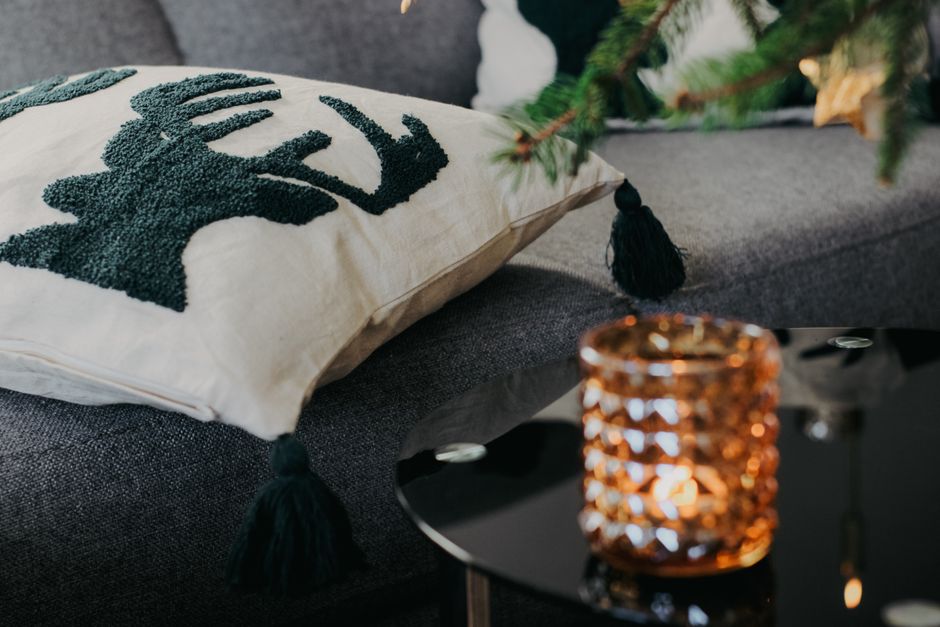
Do not cover every cushion in a different pattern. Two cushions in warm solids and one textured cushion are enough for most sofas. Too many loose textiles make the room look untidy and reduce the clear seat space people actually need.
How to layer warm lighting without making the room dim
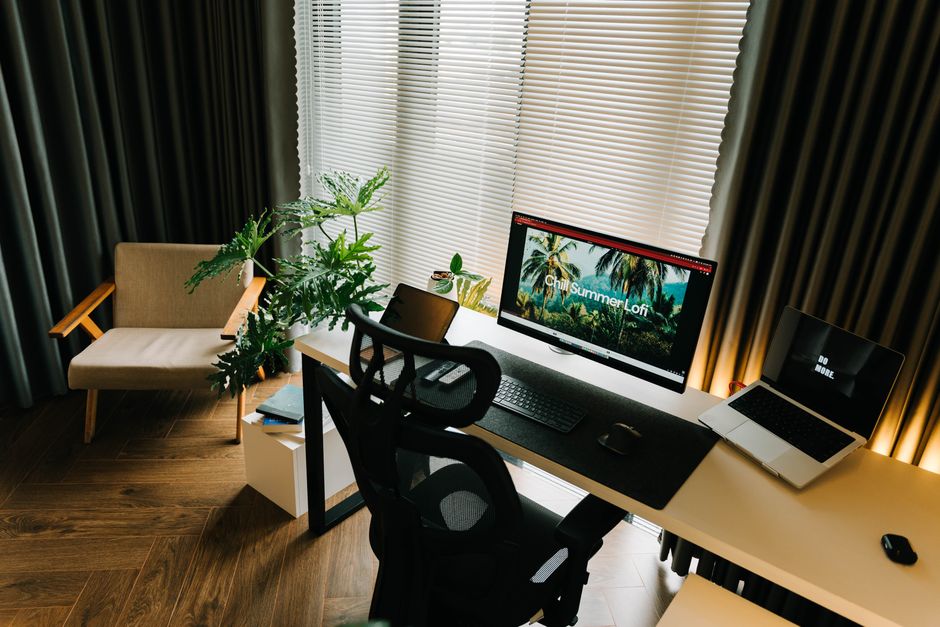
My strongest lighting rule is simple: use three low or middle-height light sources before adding more brightness. A single bright ceiling fixture creates glare, while three modest lamps spread the room’s visual focus. The result feels warmer even when the total light output is lower.
- Set the color temperature. Use 2200K to 2700K bulbs for lamps used after dinner. Choose 3000K only for a room that doubles as a work area.
- Light the seating zone. Put a table lamp beside the sofa or a floor lamp behind a reading chair. The shade should sit near shoulder or eye level when seated, with the bulb hidden from direct view.
- Add a low glow. A small lamp on a media console or sideboard fills the dark band close to the floor. This matters in winter because bright upper walls and a black lower room create a cold-looking contrast.
- Control glare. Use frosted bulbs and opaque or fabric shades. Bare clear bulbs often look attractive in a photograph and unpleasant from a sofa.
What the numbers mean in a real room
A 60-watt incandescent bulb is roughly comparable to 800 lumens, but LED bulbs create that output with far less power. The Philips Hue White Ambiance A19 9W bulb offers adjustable white light and up to about 1100 lumens, with a typical price near $45. It is useful if you want one lamp to shift from bright reading light to a warmer evening setting.
If you do not need app controls, the IKEA FADO table lamp is the better value. It uses a small frosted glass globe, stands about 9 inches tall, and usually costs around $25 before the bulb. Its glow is gentle rather than bright, so pair it with a floor lamp instead of expecting it to light the whole room.
When not to buy smart bulbs
Do not buy smart bulbs for every lamp just because the room is being redecorated. They cost more, need compatible controls, and can be annoying when guests cannot find the switch. Use one in the main floor lamp if you want scheduled evening light. Use ordinary dimmable LEDs in secondary lamps when simple operation matters more.
Which layout changes make a small living room feel cozier?

Move the sofa away from the wall if you can, even by 4 to 8 inches. That small gap makes the furniture look intentional and often opens a cleaner path through the room. Then turn the seating toward one another instead of lining every piece up with the television.
Should the sofa face the fireplace or the television?
Face the main seat toward the feature that controls how the room is actually used. If evenings involve conversation, angle two chairs toward the sofa and keep the television slightly off-axis. If the television is the main activity, center the sofa on it but place a chair perpendicular to the screen. This gives one person a comfortable reading position without making the whole room feel like a waiting area.
Keep about 30 to 36 inches for the main walking path. Leave 16 to 18 inches between the sofa and coffee table for comfortable legroom. A coffee table that is too far away makes the seating group feel disconnected; one that is too close blocks knees and cleaning.
How do you make a large room feel less empty?
Pull furniture into two linked zones instead of pushing everything against the perimeter. Create one conversation area with the sofa and chairs, then use a narrow console, bookcase, or floor lamp to give the second edge a purpose. A rug should sit under the main group so the room reads as one zone.
Avoid buying a larger sofa just to fill unused floor space. Oversized furniture can shrink the walking path and make winter layers look crowded. Add a compact chair, an ottoman, or a deeper rug first. Those changes are easier to reverse when the room’s proportions are still being tested.
My winter setup: what I would buy and what I would skip
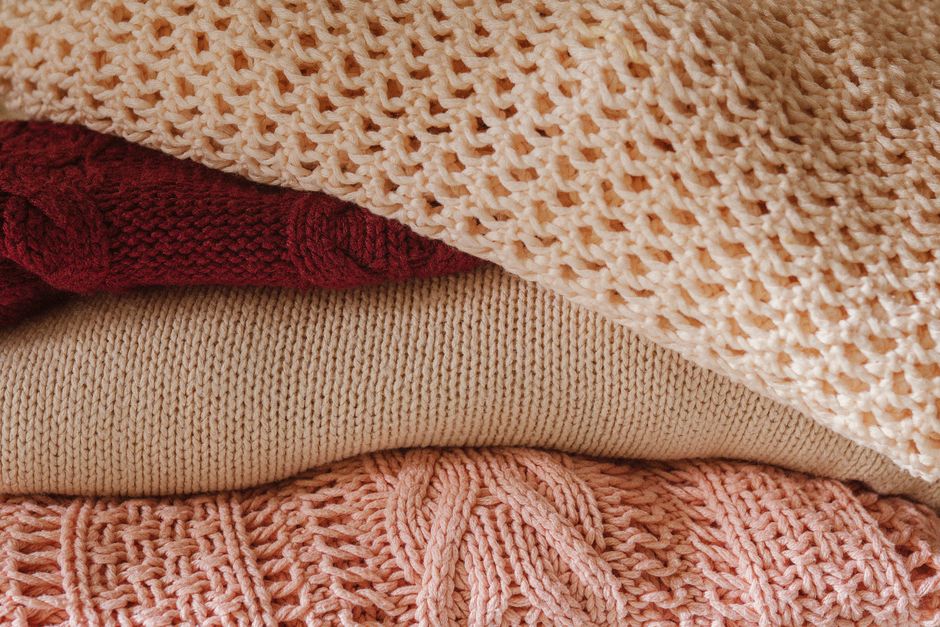
I would spend the first $300 on a properly sized rug, not on a pile of seasonal accessories. The rug anchors the room, softens footsteps, and gives the sofa a stronger visual boundary. After that, I would add one warm floor lamp, one useful blanket, and only then decide if the room still needs color.
The buying order I trust
For a small living room, my practical order is the Ruggable Kamran if spills are common, or the IKEA VINDUM if softness is the priority. Add the Pendleton Eco-Wise Wool Blanket for a durable layer over the sofa, but skip it if anyone in the home reacts badly to wool. Use the IKEA FADO for a low glow and a simple dimmable floor lamp for reading. Choose the Philips Hue White Ambiance A19 only when adjustable color temperature solves a real problem.
These choices cover different needs instead of repeating the same decorative job. A washable rug handles maintenance. Wool handles insulation. A table lamp changes mood. A floor lamp handles task lighting. The room becomes more comfortable because each item has a clear role.
What I would skip
I would skip a thick shag rug in a room with doors that swing over it, pets that shed heavily, or anyone using a walker. I would skip cool-white bulbs above 3000K for evening lamps because they make warm fabrics look dull. I would also skip a giant basket of blankets when the sofa has no clear seat left; storage should support comfort, not replace it.
For the best winter result, start with a rug that fits the furniture, set lamps between 2200K and 2700K, and leave a 30-inch walking route through the room. For most homes, the winning combination is a washable or wool area rug, one wool or cotton throw, and three soft light sources at different heights. That is enough to make a living room feel genuinely warm without making it crowded.