Can a tired bathroom look cleaner and more current without a full renovation? Yes, if you choose updates that change what you see and touch every day. The winning projects are small, finish-focused jobs: new cabinet hardware, brighter bulbs, a fresh showerhead, cleaner grout, or a better storage spot.
Plan on spending $150 to $350 for several modest changes, depending on the fixture quality and what tools you already own. The prices below are practical planning figures, not promises; local stores and finishes can change the final total.
Which One-Day Bathroom Update Gives the Biggest Payoff?
Seven projects ranked by time and cost
| Update | Hands-on time | Typical material budget | Best result |
|---|---|---|---|
| Replace cabinet knobs or pulls | 30–60 minutes | $15–$40 | Faster visual change |
| Paint one wall or vanity exterior | 3–5 hours | $35–$70 | Strongest color update |
| Swap bathroom LED bulbs | 15–30 minutes | $10–$25 | Better grooming light |
| Install a new showerhead | 30–45 minutes | $30–$80 | Better daily comfort |
| Replace a centerset faucet | 1–2 hours | $60–$140 | Cleaner sink zone |
| Refresh a small grout area | 2–4 hours | $15–$45 | Less stained appearance |
| Add hooks or a narrow shelf | 45–90 minutes | $20–$65 | Less counter clutter |
My first-choice combination
For the most visible change, start with cabinet hardware, lighting, and one painted surface. Those three updates affect the room from across the doorway, and none requires opening a wall. If the bathroom feels functional but dull, this combination beats spending the whole day on one expensive fixture.
The fastest comfort upgrade is a showerhead. The best fix for a chaotic family bathroom is storage. A faucet earns its place when the old one leaks, has a failing finish, or makes the sink look dated.
Bottom Line: Choose paint for the biggest visual shift, lighting for the clearest practical improvement, and hardware for the lowest-risk makeover.
How Should You Prepare for a Bathroom Project Day?
The 30-minute setup
- Measure the existing faucet hole spacing, shelf width, shower arm thread, and cabinet pull distance before buying anything.
- Photograph the plumbing connections under the sink. The image helps you match the new faucet and spot supply-line problems before the water is off.
- Remove towels, rugs, toiletries, and shower curtains. A clear room prevents paint splatter and gives you space to lay out parts.
- Turn off the water at the fixture shutoff valves before replacing a faucet. If a valve will not close, stop and use the main supply instead.
- Run the exhaust fan during cleaning and painting. Open a window when safe, and never mix bleach with vinegar, ammonia, or other cleaners.
- Keep a bucket, old towels, a utility knife, a screwdriver set, painter’s tape, and a level within reach.
Mistakes that waste the afternoon
The common mistake is starting with demolition. Removing tile, trim, or a glued mirror can turn a cosmetic project into a repair job. Another is buying a faucet before checking the sink configuration. A three-hole sink with a 4-inch centerset layout needs a matching faucet or a compatible deck plate.
Do not paint over soap film, loose caulk, glossy dust, or mildew. The new finish will fail quickly. Clean first, let the surface dry, and repair movement or leaks before covering anything. For wall paint, use a bathroom-rated acrylic in eggshell or satin. Flat paint hides small wall flaws but holds moisture and marks more easily.
This section has one clear verdict: preparation is the update that protects every other update. Spend the first half-hour measuring and cleaning, and the rest of the day stays predictable.
Can Paint and Grout Make a Bathroom Look New in One Day?
Paint one surface instead of chasing the whole room
Painting every wall, the ceiling, trim, vanity, and door in a single day is an optimistic plan. Choose one target. A vanity exterior gives the room a furniture-like focal point; a short wall behind the sink changes the color balance with less cutting around fixtures. Remove knobs and doors when possible, label each hinge, and lightly sand glossy surfaces so the primer can grip.
Use a small synthetic brush for edges and a 4-inch roller for flat areas. Two thin coats look better than one heavy coat, but the second coat only works when the first one has dried according to the label. A fan can improve air movement, yet strong heat can make paint skin over before it levels.
When a tub-and-tile coating makes sense
For a yellowed ceramic backsplash or worn sink surround, the Rust-Oleum Specialty Tub and Tile Refinishing Kit, model 7860519, is a recognizable option listed around $42.98 in recent big-box pricing. It can fit the application stage into a day, but that does not mean the surface is ready for immediate water use. Follow the label’s cure window.
Degreasing and sanding matter more than the brand name. A coating over silicone caulk, mineral scale, or damp grout will peel. Remove old silicone, repair chips, rinse away cleaner, and let the surface dry fully. Use strong ventilation and wear the protection listed on the product label.
When not to paint
Skip coating when the tub has a soft floor, major rust, deep cracks, or an active leak. Paint cannot repair structural damage. If only the grout looks dirty, clean or renew the grout instead of coating the entire surround. A grout refresh pen works for small lines, while damaged joints need removal and new grout. Do not use new grout to hide movement or water damage.
Paint cure time is the detail that separates a clean refresh from a peeling mess. Finish the visible work today, but keep the surface dry until the coating has cured.
Which Fixture Swaps Are Safe for a One-Day Bathroom Refresh?
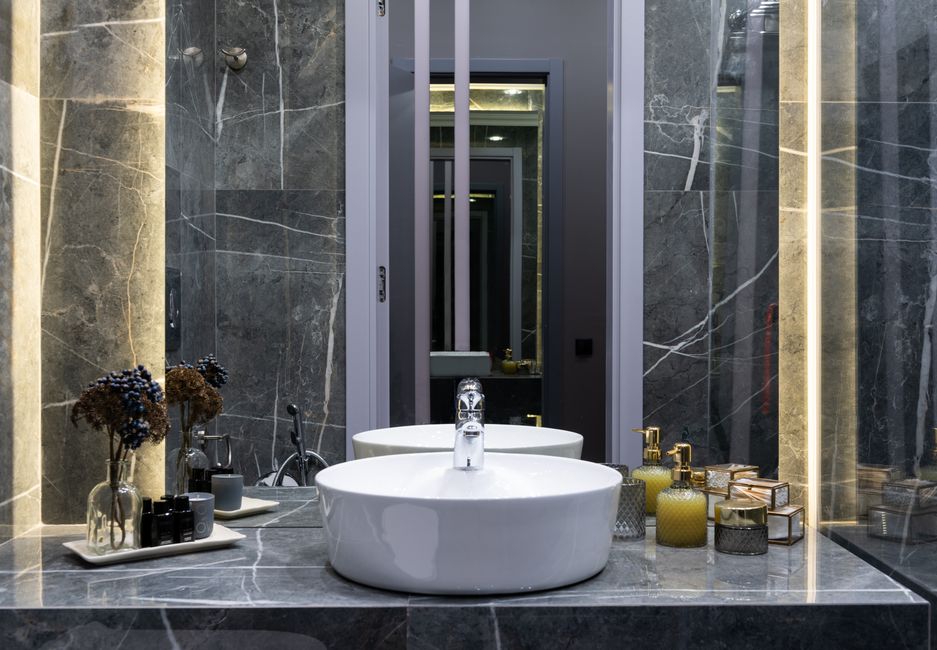
Is brighter lighting the best first swap?
Yes, when the room feels gloomy or the mirror casts shadows. Replace bulbs with a matched color temperature, usually 2700K to 3000K for a warm bathroom or 3000K to 4000K for a crisper grooming area. The GE Relax LED 60W replacement bulb uses about 9.5 watts, produces roughly 800 lumens, and is rated at 3000K in its published specifications. Check the fixture’s maximum wattage and damp-location rating before installing it.
Can a faucet replacement fit into one day?
Usually, if the shutoff valves work and the sink uses a standard 4-inch centerset layout. The Moen Adler two-handle centerset faucet, model 84603, has appeared around $59 in recent Home Depot listings. Its low price makes it a sensible budget replacement, but measure the old supply lines and drain clearance first. Reuse old corroded supply lines only if they are in excellent condition; new braided lines are cheap insurance.
Is a new showerhead worth the effort?
The Delta 75511 five-spray wall-mount hand shower is a straightforward swap. It is listed at 1.75 gallons per minute and has Touch-Clean spray holes; recent pricing was about $41.98. Wrap the shower-arm threads with fresh plumber’s tape, hand-tighten the head, then use a cloth and wrench for a small final turn. Over-tightening can crack the fitting or damage the finish.
Do not replace a fixture to disguise a plumbing fault. A slow drain, dripping shutoff, low pressure throughout the home, or water under the vanity calls for diagnosis first.
Bottom Line: Lighting wins for instant visibility, the Moen Adler wins for a low-cost standard sink replacement, and the Delta 75511 wins when the shower needs a comfort upgrade without opening the wall.
What Should You Skip When Time, Money, or Skill Is Limited?
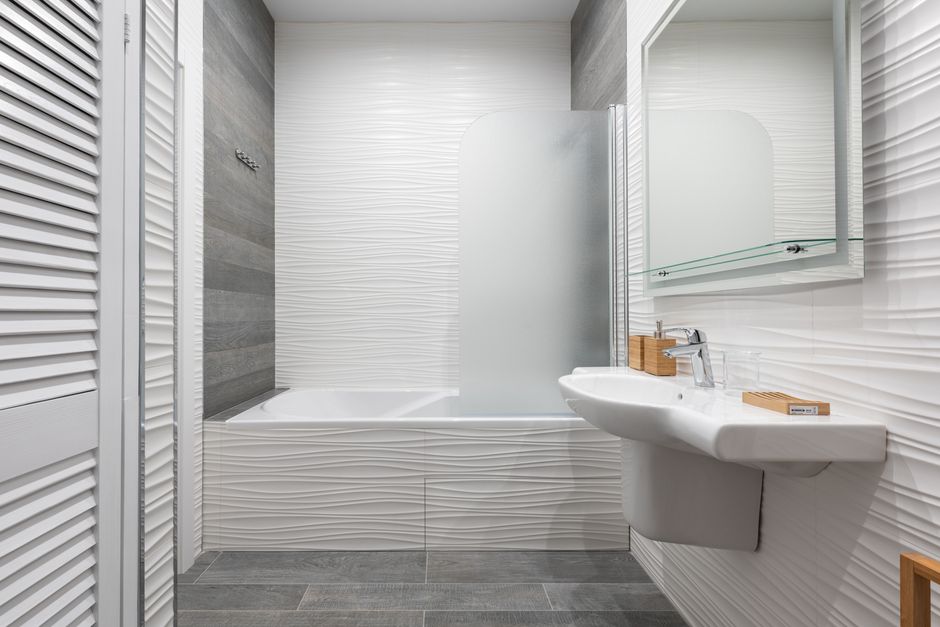
My recommendation is to stop at cosmetic work unless the bathroom has no leaks, no soft flooring, and no hidden moisture. A one-day update should leave the room more useful, not create a repair list for next weekend.
Skip these jobs today
- Do not move a toilet, sink, or shower drain. New plumbing layouts rarely stay within a one-day schedule.
- Do not cut tile around a valve or electrical box unless you already have the right tools and replacement parts.
- Do not install a heavy shelf into drywall without finding studs or using a rated anchor.
- Do not cover mold, bubbling paint, swollen cabinet panels, or a soft subfloor. Find the moisture source first.
- Do not buy a fixture for its finish alone. Match the hole spacing, flow rating, connection size, and clearance.
A practical spending cap
Set a hard material limit before shopping. A basic package of hardware, paint, bulbs, grout supplies, and one fixture can land near $200 to $350. Add 15% for tape, caulk, supply lines, rollers, and replacement screws. This is not financial advice; if paying for a small refresh means carrying a balance at 20%–30% APR with a $0–$95 annual fee, the interest can erase the savings. Delay the nonessential fixture and finish the low-cost work with cash instead.
The best one-day sequence
Start with cleaning and measurements. Install hardware and bulbs while the room is dry. Paint next, then use the drying periods to refresh grout or install storage. Leave plumbing swaps for the final block only if the shutoff valves and replacement parts are ready. Test for leaks before putting items back.
The best result is not the bathroom with the most new parts. It is the room that feels brighter, stores daily essentials, and has no fresh failures waiting behind the shine. In 2026, small surface and fixture updates remain the practical middle ground between living with a dated bathroom and committing to a full remodel.