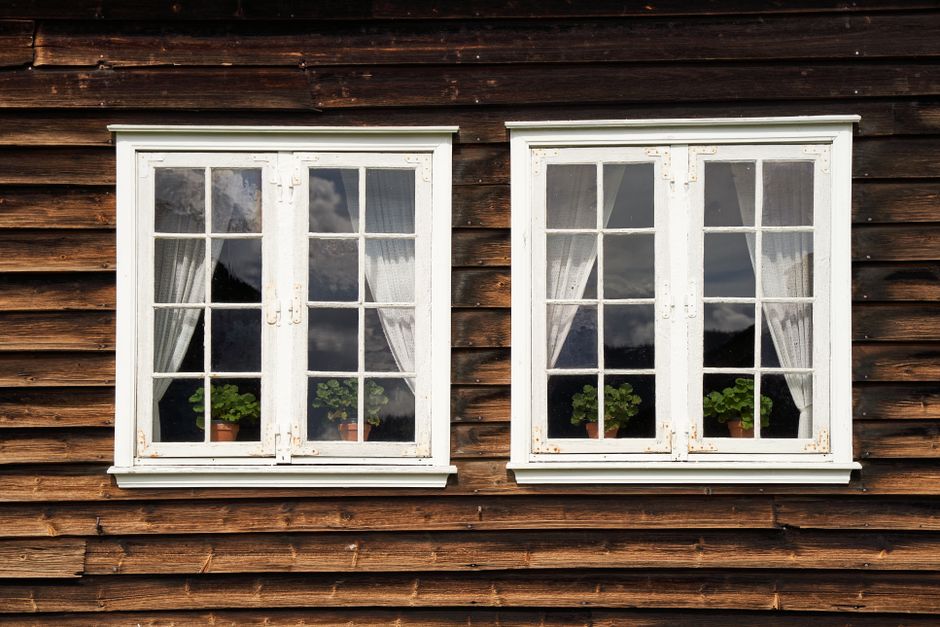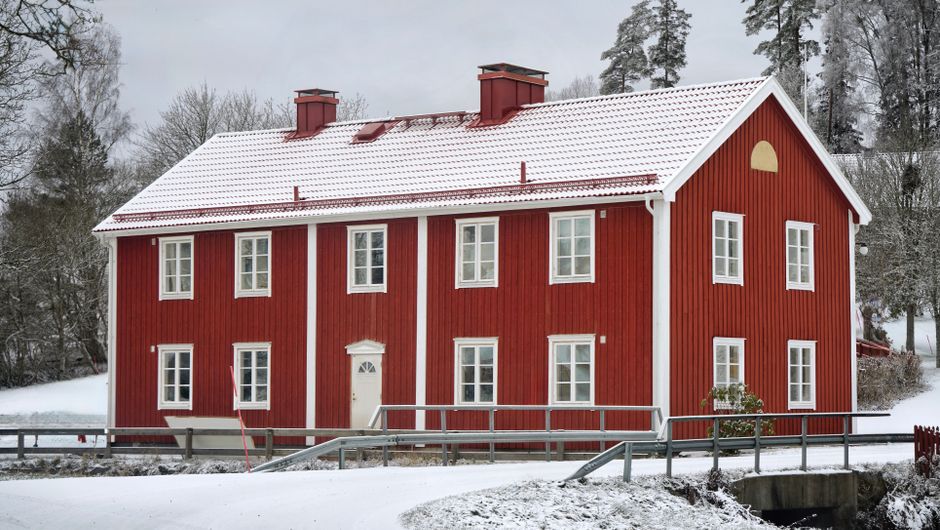
The common mistake is treating winterizing as a thermostat job. Turning up the heat does not stop cold air from entering, water from freezing, or melting snow from backing up behind a clogged gutter. A winter-ready house controls three paths: moving air, freezing water, and roof runoff.
The Two-Day Winterization Order That Saves Time
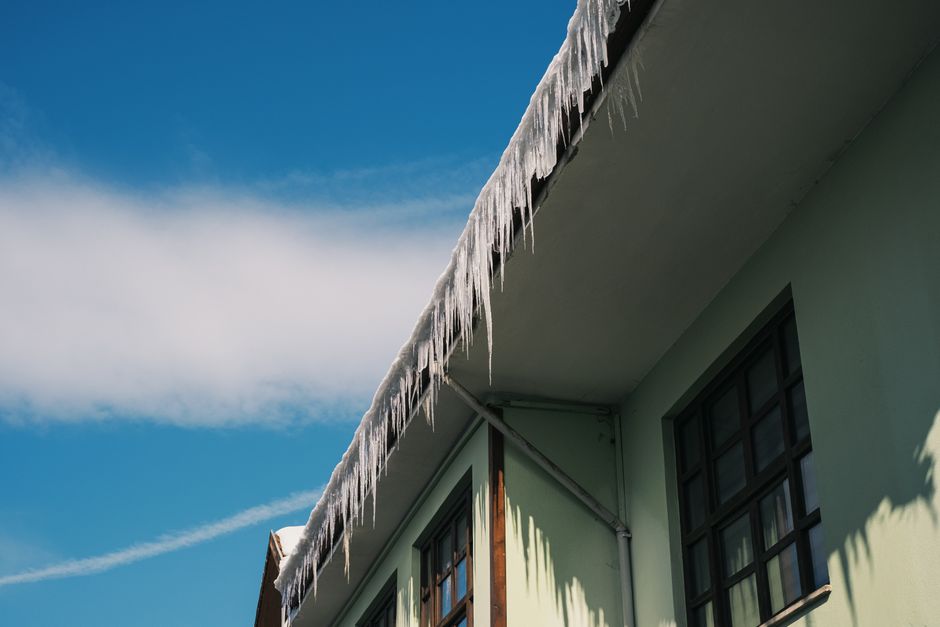
The best weekend plan moves from inspection to low-risk repairs, then to water protection. Do not start on the roof while you still need to carry tools through the house.
Saturday: inspect and seal
- Check the forecast and plan outdoor work above 40°F with dry conditions.
- Test every exterior door and window for drafts, loose latches, and failed seals.
- Find the main water shutoff and label it before an emergency.
- Inspect exposed pipes in the basement, crawl space, garage, and utility room.
- Look for stains, sagging gutters, loose downspouts, and missing roof-edge flashing.
- Seal fixed air gaps and replace damaged door sweeps.
- Clean or replace furnace filters according to the equipment instructions.
Sunday: protect and test
- Insulate exposed water lines and disconnect garden hoses.
- Close interior doors to rooms that contain vulnerable pipes, but keep heat flowing.
- Clean gutters and confirm that each downspout sends water at least 4 to 6 feet away from the foundation.
- Test smoke and carbon monoxide alarms on every floor.
- Photograph existing roof, gutter, and pipe problems so new winter damage is easier to spot.
This order works because it prevents repeat work. You inspect before buying supplies, repair from the inside out, and test the systems before the first hard freeze.
How to Stop Drafts Without Creating Moisture Problems
Draft proofing is simple until people seal the wrong opening. The goal is to stop uncontrolled outdoor air while keeping intentional ventilation open. A house still needs bathroom exhaust, kitchen ventilation, combustion air, and a safe path for moisture to leave. Seal the shell; do not seal equipment that needs air.
Use the right material for each gap
For a sliding window or door, the Frost King V-Seal weatherstrip is a practical choice. A 17-foot roll usually costs about $8 to $12 and folds into the gap when the unit closes. It works best on clean, dry surfaces with a consistent gap. Replace it when the strip becomes brittle or refuses to spring back.
For a fixed crack around a frame or pipe penetration, Great Stuff Gaps & Cracks in a 12-ounce can usually costs about $6 to $10. Use a small amount because the foam expands. Keep it away from heat sources, wiring that needs movement, and areas where water must drain. Trim cured foam, then cover it where sunlight can reach it.
Measure cold spots instead of guessing
If one room stays cold after sealing obvious gaps, use an infrared thermometer to compare surfaces. The Fluke 62 MAX+ measures from about -22°F to 1,202°F and often sells near $90 to $110. It will not diagnose an entire wall, but it can show that one window edge, outlet, or baseboard is much colder than the surrounding surface. That gives you a target instead of a theory.
Know when sealing becomes a bad repair
Do not foam over a roof leak, cover a damp basement wall, or caulk a crack that keeps widening. Those symptoms need drainage, structural, or roofing work. The best draft fix is the one that blocks moving air while leaving water and heat paths safe.
What to Do About Frozen Pipes Before Temperatures Drop
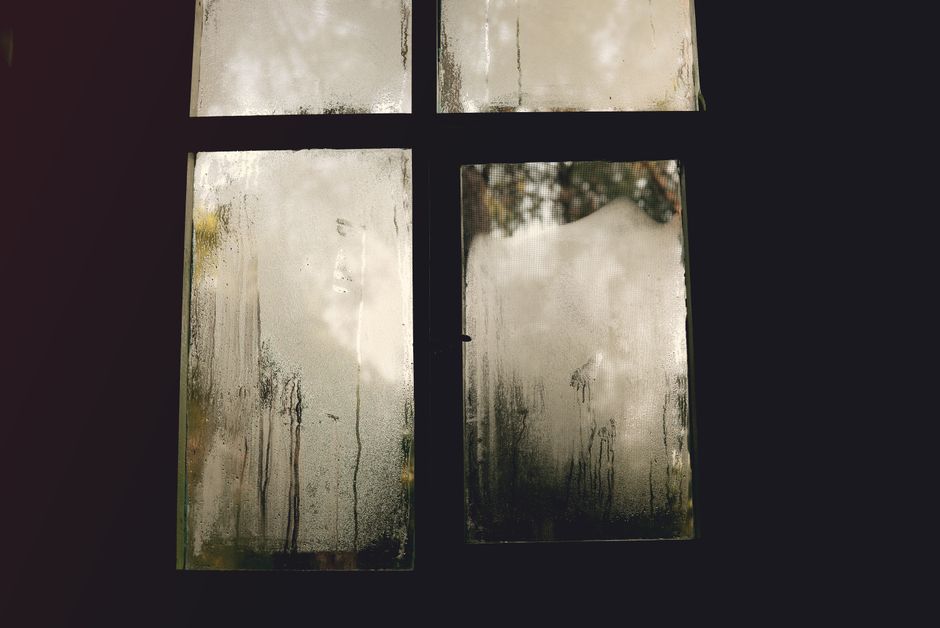
Pipe protection is a race against still water and cold air. The winning move is to remove outdoor hose connections, insulate exposed lines, and keep indoor heat moving. Do not wait for a faucet to stop running.
Which pipes need protection first?
Start with pipes in unheated spaces, exterior walls, crawl spaces, garages, and cabinets against outside walls. Open those cabinet doors during severe cold so warm room air can reach the plumbing. Foam sleeves help, but they do not replace a missing wall, a broken window, or a failed heat source.
What should you do before a hard freeze?
Remove garden hoses, shut off outdoor faucets if the system has interior isolation valves, and drain the exposed section. Keep the thermostat at a steady temperature, including when you leave for a weekend. A small drip from a vulnerable faucet can keep water moving, but it is not a substitute for insulation or heat.
When is a pipe repair beyond DIY work?
A SharkBite 1/2-inch push-to-connect ball valve typically costs about $15 to $20 and can help with an accessible copper, PEX, or CPVC repair when local code allows it. It is not a reason to cut into a frozen or pressurized line. If a pipe is already frozen, shut off the main valve, open the faucet, and warm the area slowly with a hair dryer. Never use a torch. Call a plumber if the pipe has split, the shutoff will not turn, or the frozen section sits behind a wall.
How to Clear Gutters Before Snow and Ice Arrive
Gutters do not fail only because of leaves. They fail when a blocked outlet traps water, a loose hanger lets the channel sag, or a short downspout drops water beside the foundation. The best plan is to clean the full route from roof edge to discharge point, then test it with a hose.
Use this inspection table
| Gutter area | What to check | Acceptable result | Fix before winter |
|---|---|---|---|
| Roof edge | Leaves, pine needles, granules | Water can enter the channel freely | Remove debris by hand or scoop |
| Gutter channel | Sagging, rust, open seams | Continuous slope toward the outlet | Replace damaged sections or hangers |
| Downspout outlet | Clogs and trapped water | Water exits without backing up | Flush from the top and clear the elbow |
| Ground discharge | Short extension or erosion | Water lands 4 to 6 feet from the foundation | Add an extension or splash block |
Clean from a stable position
The Gutter Getter scoop costs about $15 and works well from a safe ladder position because its narrow shape reaches into standard channels. A six-foot ladder is enough for many single-story sections, but never stand on the top cap or reach sideways until the ladder lifts off a stable base. For a two-story roofline, hire a gutter company instead of turning a maintenance task into an emergency-room visit.
Test the complete water path
Run a hose at the highest section and watch every seam, elbow, and discharge point. Water that exits beside the foundation can create basement leaks and ice near walkways. Clearing the channel is only half the repair; sending water away from the house is the real verdict.
Winterization Mistakes That Cost More Than the Supplies
The best winterization rule is simple: fix water movement and heat loss before buying gadgets. Most expensive failures come from skipped checks, unsafe shortcuts, or repairs aimed at the visible symptom.
Skip these common mistakes
- Do not leave a garden hose attached to an outdoor faucet. Trapped water can freeze inside the faucet or connecting pipe.
- Do not cover a furnace, boiler, water heater, or gas appliance vent with insulation or foam.
- Do not close every interior door and cabinet around plumbing during a freeze. Warm air must reach vulnerable lines.
- Do not install gutter guards over a gutter that already has a bad slope, loose hangers, or blocked outlets.
- Do not pour boiling water onto frozen gutters, windows, or pipes. The rapid temperature change can crack materials.
- Do not climb a wet roof or an icy ladder to save the cost of a routine service call.
- Do not assume a new thermostat will solve drafts, poor insulation, or a frozen crawl space.
When not to buy another product
Skip pipe sensors if you have not found the main shutoff. Skip weatherstrip if the door frame has shifted and no longer closes squarely. Skip gutter accessories if the roof edge leaks or the fascia has rot. Spend the money on the failed part first. For a home with recurring basement water, active roof leaks, or pipes inside an exterior wall, a licensed contractor is the better purchase than another roll of tape.
The Weekend Verdict: Seal First, Then Protect Water
A winter-ready home does not need a shopping cart full of smart devices. It needs a clear inspection, a sealed building shell, protected plumbing, and gutters that move water away from the foundation. That order handles the causes instead of decorating the symptoms.
The best use of a small budget
Spend first on door sweeps, window weatherstripping, pipe insulation, and downspout extensions. These repairs are cheap, visible, and easy to test. Add a thermometer or moisture monitor only after you know which area needs better information. Products help when they match a measured problem; they waste money when they replace inspection.
The final test before the first freeze
Walk the house once more at night. Feel for air around exterior doors, listen for dripping or running water, check that the thermostat holds its setting, and look at every downspout outlet. Open the main water shutoff cabinet so nobody has to search during a burst-pipe emergency. If the house passes that check, it is ready for normal cold weather. If it does not, fix the failure that involves water first because water damage spreads faster than a draft.
Seal the drafts, keep vulnerable pipes warm, and make sure every drop from the roof ends well away from the house.