How can you make a cold, cluttered living room feel calm and Scandinavian when the budget is tight? Picture a room with mismatched furniture, harsh ceiling light, and too many small decorations competing for attention. The fix does not require a full renovation or a designer sofa. Scandinavian style starts with a few practical choices: clear circulation, pale flexible colors, warm light, useful storage, and natural texture. A $600 to $900 plan can create the look if you spend in the right order and avoid pieces that only imitate Nordic design from a distance.
This is not legal advice — consult a licensed attorney.
What Makes a Living Room Scandinavian?
Start with function, not decoration. A Scandinavian-inspired room should feel easy to use at 8 a.m. and welcoming at night. The style grew from practical homes that needed to make the most of limited daylight, modest floor space, and long, dark winters. That history explains the familiar features: simple shapes, light walls, open floor space, warm lamps, and materials that feel pleasant in the hand.
Use a calm base with one warm contrast
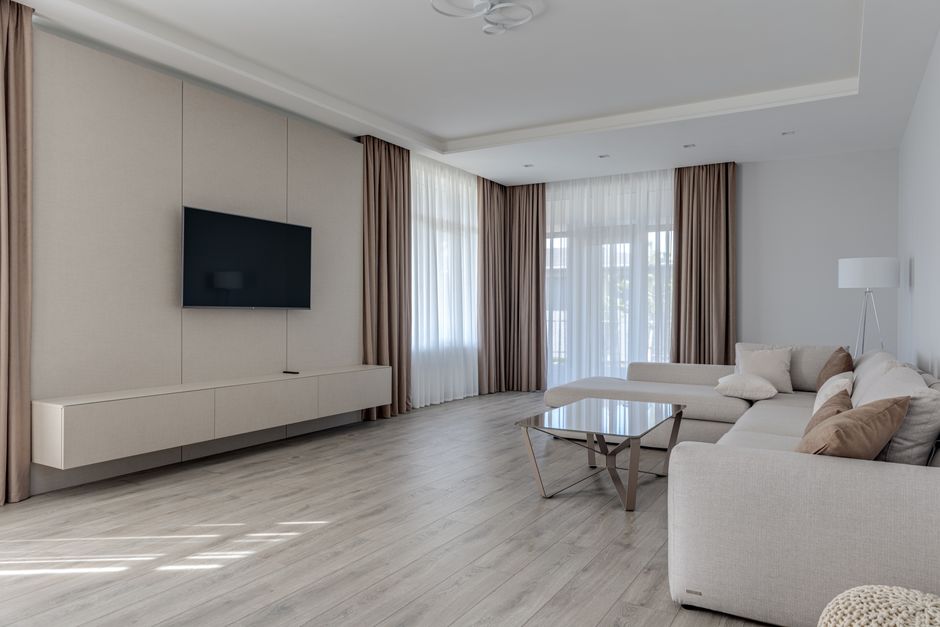
Choose one quiet wall color such as soft white, warm gray, pale beige, or muted mushroom. Add one darker contrast through a wood table, charcoal cushion, black picture frame, or deep green throw. A room filled with five competing accent colors looks busy rather than Nordic. The strongest budget move is to repeat two or three tones across the sofa, rug, curtains, and storage baskets.
Make comfort visible
Scandinavian rooms are not empty showrooms. They include textiles, reading light, practical tables, and somewhere to put a drink. Use wool-look, cotton, linen, or knitted textures to soften clean lines. Leave at least 24 inches for a main walking path and about 16 to 18 inches between a sofa and coffee table. Those measurements make the room feel spacious because people can move through it without squeezing around furniture.
How Much Does a Budget Scandinavian Room Cost?
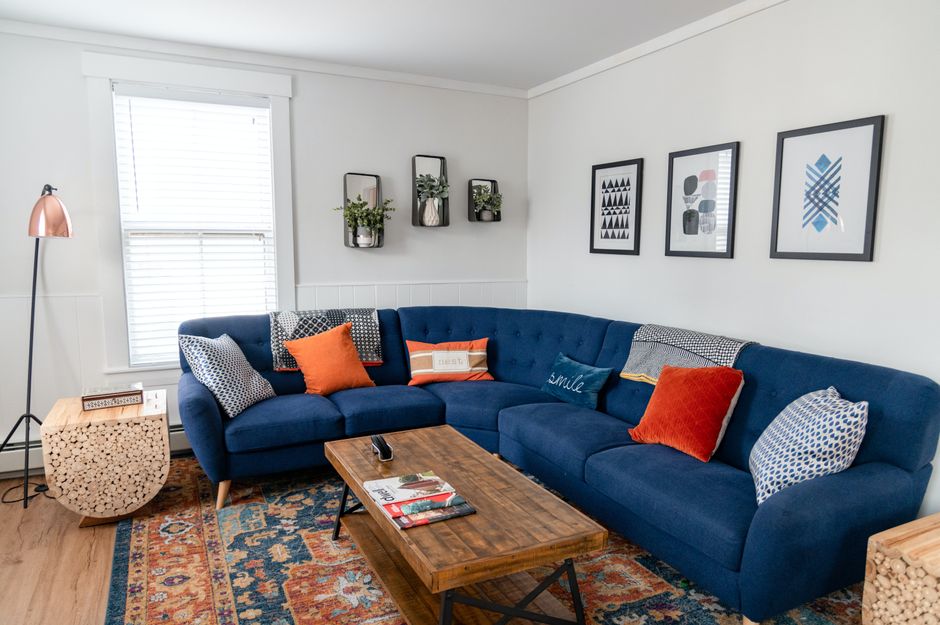
A realistic starter budget is $600 to $900 for a small living room, assuming you keep the flooring and repaint only one or two walls. Spend first on the item that controls the room’s comfort, then on lighting and storage. Decorative objects come last. This order protects the budget from a common mistake: buying attractive accessories before solving the layout.
| Room element | Starter budget | What the money covers |
|---|---|---|
| Paint and supplies | $60-$120 | One or two walls, primer, rollers, and tape |
| Main seating | $250-$450 | Secondhand sofa or simple new loveseat |
| Rug or floor layer | $80-$180 | 5-by-7-foot rug or washable flat weave |
| Lighting | $70-$150 | Floor lamp, table lamp, and warm bulbs |
| Storage | $50-$150 | Open shelf, baskets, or closed cabinet |
| Textiles and accents | $50-$100 | Cushions, throw, mirror, and one plant |
Protect the comfort budget
Do not reduce spending on a sofa with a sagging frame, a rug that slides, or a lamp that creates glare. These problems affect the room every day. A less expensive side table can look fine for years, but poor seating will make the entire room feel cheap.
Use secondhand money intelligently
Local resale listings are strongest for solid wood tables, shelving, lamps, and frames. Inspect joints, odors, water damage, and fabric seams before paying. A $40 oak side table that needs light sanding can be a better buy than a $120 flat-pack table with a thin printed finish. Set a total budget before shopping and reserve 10 percent for delivery, hardware, or replacement lamp shades.
How to Plan the Room Before Buying Anything
The best budget makeover begins with a measuring tape and a blank sheet of paper. Follow this sequence before opening a shopping app:
- Measure the usable floor. Record the wall lengths, door swings, radiator locations, outlets, windows, and heating vents. Subtract areas that furniture cannot block.
- Mark the largest fixed feature. This may be a television, fireplace, window, or bookcase. The seating arrangement should face or support that feature without blocking the main path.
- Draw three layout options. Test the sofa against a wall, floating in the room, and facing two chairs. Keep at least 30 inches around doors and aim for 24 inches on the clearest walking route.
- Choose the rug size from the seating plan. At minimum, the front legs of the sofa and chairs should sit on the rug. A 5-by-7-foot rug works in a compact room; an 8-by-10-foot rug usually looks more connected in a larger one.
- Set the lighting points. Plan one general light, one reading or task light, and one low lamp. Use bulbs between 2700K and 3000K for a warm evening feel.
- Create a closed-storage limit. Decide how many baskets, drawers, or cabinet sections the room truly needs. More storage does not always create more calm; it can encourage more belongings.
Leave breathing room around furniture
Push-back furniture often makes a small room appear smaller. Leave a few inches between a sofa and the wall when the layout allows it, and avoid placing every piece against the perimeter. The eye reads the open gaps as part of the design. This costs nothing and often creates a bigger visual improvement than new artwork.
Test the plan with cardboard
Cut newspaper or cardboard to the dimensions of the furniture you may buy. Tape the shapes to the floor for one day. Walk around them, open nearby doors, and sit in the places where chairs would go. This simple test catches blocked paths and oversized coffee tables before they become expensive returns.
Which Affordable Pieces Are Worth Buying?
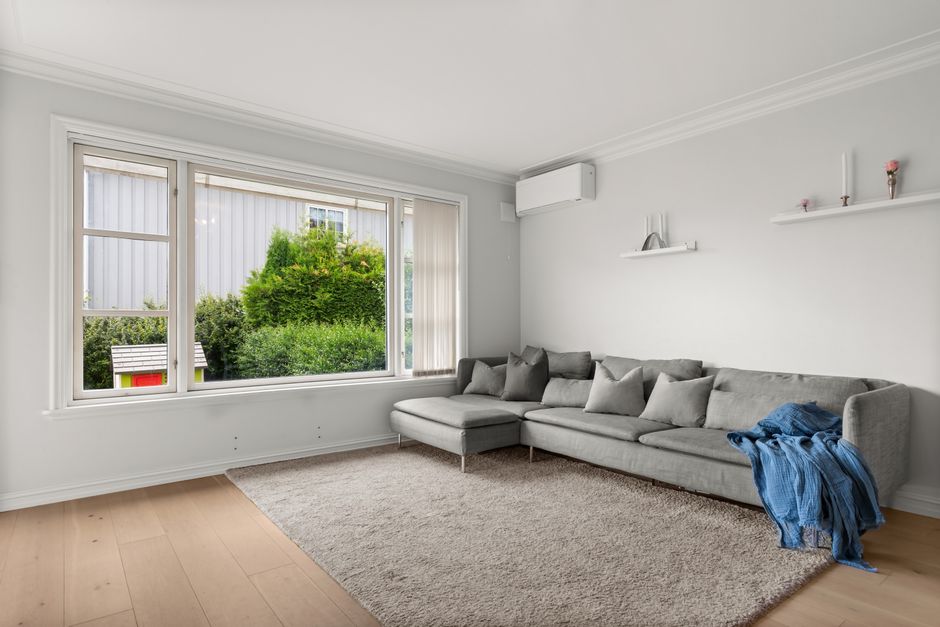
Choose simple pieces with honest proportions and repairable finishes. The best product route for a budget Scandinavian room is a small number of useful items, not a matching furniture set. Product prices change by country, delivery zone, and sale period, so treat the figures below as planning estimates rather than promises.
Best seating choice: IKEA KLIPPAN two-seat sofa
The IKEA KLIPPAN two-seat sofa is often listed near $399 in the United States and measures about 70 7/8 inches wide by 34 5/8 inches deep. Its compact footprint suits apartments and narrow living rooms, while the removable cover makes future cleaning or color changes easier. It is the clearest new-sofa pick for a strict budget. Skip it if you need deep lounging space or have tall adults who prefer a long seat.
Best occasional seat: IKEA POÄNG armchair
The IKEA POÄNG armchair costs roughly $99 to $129 for the basic frame and measures about 26 3/4 inches wide, 32 1/4 inches deep, and 39 1/4 inches high. Its bentwood frame adds a Scandinavian cue without filling the room with visual weight. Buy one chair before buying two. One reading seat beside a lamp can finish the room; two may crowd a small floor plan.
Best storage value: IKEA KALLAX 2-by-2 unit
The IKEA KALLAX 2-by-2 shelf is about 30 3/8 inches square and 15 3/8 inches deep, with a typical price near $50 before inserts. It works as low media storage, a record shelf, or a display unit with baskets. Use only half of the cubbies for open display. Fill the rest with matching bins so the room stays orderly.
Best flexible add-on: IKEA RÅSKOG cart
The IKEA RÅSKOG utility cart measures about 13 3/4 by 17 3/4 by 30 1/8 inches and commonly sells near $40. It can hold throws, books, craft supplies, or remote controls and can move beside a chair when needed. It is a better buy than a bulky cabinet for renters, but it is not a substitute for closed storage if the room already looks visually crowded.
Scandinavian Living Room Questions, Answered
Can dark furniture still work in a Scandinavian room?
Yes, but limit it to one strong anchor. A walnut table, charcoal chair, or black metal lamp can give pale walls enough contrast. The mistake is repeating dark furniture on every wall, which removes the light, open quality that makes the style work. Balance the darker piece with a pale rug, warm wood, and uncovered window space.
What should come first: the sofa or the rug?
Choose the sofa dimensions first, then size the rug around the seating arrangement. Buying a small rug because it is cheaper often makes the seating look disconnected. If a full-size rug is outside the budget, use a neutral flat weave and place the front legs of the sofa on it. A secondhand rug can work well after checking for moth damage, strong odors, and unstable backing.
How can renters add warmth without painting?
Use removable changes with clear visual impact: ivory curtains, a pale timber-look side table, warm 2700K bulbs, woven baskets, and one large textile wall hanging. Avoid covering every surface with tiny objects. Three larger accents usually look calmer and cost less than ten small purchases.
Which Budget Shortcuts Backfire?

The worst shortcut is buying a complete “Scandinavian” set that matches perfectly but does not fit the room. Uniform white furniture, tiny cushions, and a gray rug can produce a flat showroom effect. A better plan mixes one new anchor with secondhand wood, inherited pieces, or items you already own.
- Do not buy furniture before measuring. A sofa that is 4 inches too deep can block a doorway or force the coffee table into the walking path.
- Do not use cool white bulbs. Bulbs near 4000K to 5000K can make pale walls look blue and harsh at night. Choose 2700K to 3000K for living areas.
- Do not cover every shelf. Leave about one-third of open storage empty so the eye has somewhere to rest.
- Do not mistake beige for warmth. Add texture through cotton, wood grain, wool-look fabric, and woven fiber instead of layering several nearly identical tan objects.
- Do not buy a cheap sofa with no cleaning plan. Check the cover instructions, frame feel, cushion support, and return policy before paying.
For a renter, the strongest verdict is a movable plan: warm lamps, a correctly sized rug, a compact chair, and storage that can follow you to the next home. For a homeowner, repainting one dark or yellow wall may deliver the biggest visual return. The future of budget Scandinavian design will favor flexible pieces, repairable materials, and rooms that feel personal rather than copied.
This is not legal advice — consult a licensed attorney.