Addressing the Misconception: High Price for High Quality
“You need to spend thousands for a decent home theater projector.” This is flat-out wrong. For years, I believed it too, stubbornly saving for a top-tier model that never quite felt within reach. Then I started exploring the mid-range market, and honestly, it’s where all the interesting stuff happens for us DIYers and budget-conscious enthusiasts. Specifically, the HAPPRUN 2500 ANSI Lumens Outdoor Projector caught my eye. At under $450, it promised a full home theater experience without the typical financial gut-punch. I was skeptical, I’ll admit, but after months of using it, my wallet and my eyeballs are both happy.
My Journey to Affordable Home Theater
I’ve always loved the idea of a massive screen for movies and gaming. My first attempt at a “home theater” involved an old business projector and a bed sheet – it was terrible. Fuzzy, dim, and the fan sounded like a jet engine. That experience cemented the idea that quality meant big bucks. But as technology improved, I kept seeing chatter about these new, more affordable projectors. Friends were hosting backyard movie nights with surprisingly good picture quality. I thought, “Maybe things have changed.” So, I started digging, sifting through endless reviews and spec sheets, looking for something that could genuinely deliver without requiring a second mortgage.
What ‘Affordable’ Really Means
For me, “affordable” isn’t just a low price tag. It means value. It means a product that performs above its cost, handles real-world scenarios, and doesn’t make you wish you’d just watched Netflix on your phone. The HAPPRUN 2500 ANSI Lumens projector isn’t just cheap; it offers features you’d expect on much pricier units, like 4K decoding resolution and Dolby Audio. It’s built for both indoor and outdoor use, which is a huge bonus for someone like me who loves a good summer movie night. This isn’t a projector you buy, use once, and regret. This is a workhorse, designed for regular use by people who want a big screen experience without breaking the bank on an Epson or Optoma.
Unboxing the HAPPRUN 2500 ANSI: First Impressions Matter
Opening a new gadget is always a moment of truth, especially when you’ve bought it online sight unseen. The HAPPRUN 2500 ANSI Lumens projector arrived in a surprisingly compact box, well-protected with foam inserts. My first thought: “This is smaller than I expected.” The unit itself has a sleek black finish, definitely not an eyesore if it lives permanently in your living room or on your patio. It measures about 10.2 inches long, 9.5 inches wide, and 4.3 inches high. It weighs roughly 5.5 pounds, making it easy to move around for different setups. I appreciate that it doesn’t feel flimsy; the plastic casing is robust, and the lens cap fits securely.
What’s in the Box (and What’s Missing)
Inside, you’ll find the projector, a power cable, a small but functional remote control (batteries not included, which is a minor annoyance but common), an HDMI cable, and a quick start guide. What’s missing? A carrying case. For an “outdoor” projector, you’d think a basic soft case would be standard, especially for portability and protection from dust or light bumps during transport to the backyard. I ended up repurposing a camera bag for it. Also, there’s no lens cleaning kit, which is a must-have for any projector owner. Little things, but they add up to the initial user experience. Thankfully, setting it up was a breeze; plug in the power, connect your source, and you’re good to go.
Build Quality and Port Layout
The build quality is solid for the price point. The fan vents are well-placed, suggesting decent airflow, which is critical for projector longevity. On the back, you’ll find a comprehensive selection of ports: two HDMI inputs, two USB-A ports (perfect for external drives or streaming sticks), an AV input, and a 3.5mm audio jack for headphones or external speakers. Having two HDMI ports means I can keep my Roku stick plugged in and still have a free port for a gaming console or my laptop. The focus and keystone correction dials are manual, located on top, and they feel smooth enough for precise adjustments. The feet are adjustable, allowing for slight tilt if you’re not using a ceiling mount or tripod. It’s clear HAPPRUN designed this with real-world connectivity in mind, anticipating various media sources.
Real-World Usage: Movies, Gaming, and Backyard Nights
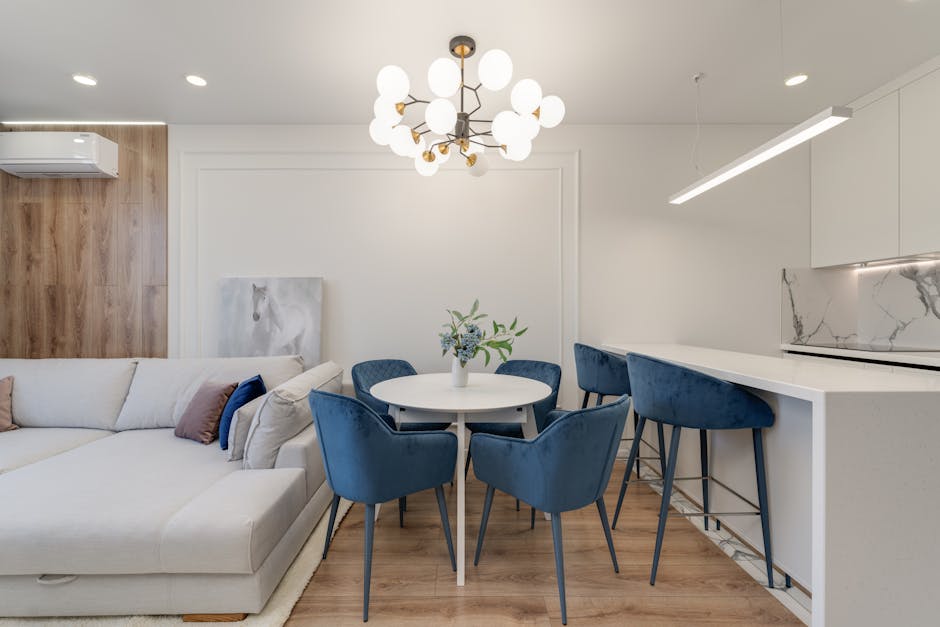
This is where the rubber meets the road. I’ve used the HAPPRUN 2500 ANSI Lumens projector for everything from movie nights on a 120-inch screen in my living room to projecting cartoons onto the garage door for the kids.
- Picture Quality: Is 2500 ANSI Enough?
In short: yes, mostly. 2500 ANSI Lumens is a sweet spot for a budget projector. In a completely dark room, the picture is bright, clear, and vibrant, even at large screen sizes (I’ve pushed it to 150 inches with good results). It handles 4K decoding well, meaning while it projects at 1080p native, it can accept and downscale a 4K signal, which is great for streaming. Colors are surprisingly accurate for the price, not oversaturated or washed out. Contrast is decent, but don’t expect inky blacks like an OLED TV. In dimly lit rooms, it holds up, but any direct sunlight or strong ambient light will make the image fade, as expected. For outdoor use, it absolutely needs to be after dusk for the best experience. I used a simple white sheet for a screen initially, and it looked good. Upgrading to a proper projector screen (even a cheap one) makes a noticeable difference in color pop and sharpness.
- Audio Performance and Connectivity
The built-in speakers, with Dolby Audio support, are surprisingly capable for casual viewing or if you’re in a pinch. They’re loud enough for a small group, but don’t expect cinematic depth. For a true home theater experience, I always pair it with external Bluetooth speakers. The Bluetooth 5.2 connectivity is rock solid; I’ve connected various soundbars and portable speakers without any dropouts. The WiFi 6 is also a huge upgrade over older models, providing stable streaming directly from the built-in apps like Netflix and YouTube. I rarely experience buffering, even when streaming high-bitrate content. This level of seamless wireless connectivity is a major win for hassle-free DIY setups.
- Smart Features and Interface
The integrated smart TV OS is intuitive. It’s not as polished as a Roku or Apple TV, but it gets the job done. The interface is easy to navigate with the included remote, and installing additional apps is straightforward. For my primary use, I prefer using my dedicated Roku stick plugged into an HDMI port, but the built-in apps are fantastic for impromptu viewing sessions or when I want to keep the setup minimal. The autofocus and auto-keystone correction aren’t as prevalent on this specific 2500 ANSI model as I’d like, meaning more manual adjustment, but once set, it stays put.
HAPPRUN 2500 vs. HAPPRUN 2000 ANSI: The Key Differences
When I was shopping, I also looked hard at its slightly cheaper sibling, the Projector 4K with WiFi and Bluetooth. Both offer excellent value, but they target slightly different users. If you’re torn between the two, here’s my breakdown based on specs and my own experience.
| Feature | HAPPRUN 2500 ANSI Lumens Outdoor Projector | HAPPRUN 4K 2000 ANSI Projector |
|---|---|---|
| Price (approx.) | $449.98 | $399.90 |
| Brightness | 2500 ANSI Lumens | 2000 ANSI Lumens |
| Native Resolution | 1080p | 1080p |
| 4K Decoding | Yes | Yes |
| Smart TV OS | Built-in Streaming Apps | Smart TV OS 2.0 (with AI Auto Focus) |
| Audio | Dolby Audio | Dolby Audio |
| Connectivity | WiFi 6, Bluetooth 5.2 | WiFi & Bluetooth |
| Key Feature Distinctor | Higher brightness, potentially better for slightly less dark environments. | AI Auto Focus, Smart TV OS 2.0. |
Brightness and Image Clarity
The 500 ANSI lumen difference between the 2500 and 2000 models might not sound like much, but it can be noticeable. The 2500 ANSI model definitely has an edge in environments where you can’t achieve absolute darkness. For instance, if you’re setting up outdoors just as twilight fades, those extra lumens give you a clearer, more vibrant image sooner. Indoors, it means you can have a slightly less blackout-curtained room and still enjoy a good picture. If your primary use is in a pitch-black dedicated theater room, the difference becomes negligible. But for versatile use – especially backyard movie nights – the 2500 ANSI model’s brightness is a clear advantage.
Smart Features and Ease of Use
This is where the HAPPRUN 2000 ANSI model potentially pulls ahead for some. Its Smart TV OS 2.0 and AI Auto Focus are genuinely useful features. The auto-focus saves you the hassle of manual adjustments every time you move the projector, which is a huge convenience. My 2500 ANSI model requires manual focus and keystone, which is fine, but it adds a step. If you’re someone who moves your projector often or wants the absolute simplest setup, the 2000 ANSI’s smart features are a strong selling point. However, if you typically set it up once and leave it, or if you prefer using an external streaming device, the 2500’s higher brightness might be more valuable. Personally, I prioritize the brighter image over auto-focus, as I usually find a spot and leave the projector there for a while.
Projector Maintenance and Placement: Lessons Learned
Owning a projector, especially one that gets moved around, means taking some basic care. I’ve seen too many friends ruin their expensive electronics by neglecting simple maintenance. You don’t need a fancy technician; just a few minutes of your time can vastly extend your projector’s life and keep your picture crisp.
Keeping Your Lens Clear
The lens is the heart of your projector, and dust is its enemy. I learned this the hard way with my old, cheap model. Never touch the lens with your fingers. Always use a proper microfiber cloth specifically for optics, and if there are stubborn smudges, a specialized lens cleaning solution. I give my HAPPRUN lens a quick wipe down before every major use. For deeper cleaning, use a can of compressed air (held upright, not tilted to prevent propellant residue) to blow dust off the air intake and exhaust vents. This helps prevent overheating, which is the fastest way to kill any electronics. Keep the lens cap on when not in use to prevent dust accumulation.
Optimal Viewing Angles and Distance
Placement makes all the difference to your picture quality. The HAPPRUN 2500 ANSI Lumens projector has a throw ratio that works well in most average-sized rooms or backyards. For a 100-inch screen, you’re generally looking at a throw distance of around 9-10 feet. Going too far back will dilute the brightness, while being too close can make the image too small or introduce visible pixelation. Experiment with different distances to find the sweet spot for your screen size. Ideally, the projector should be centered horizontally with the screen. While keystone correction can fix skewed images, it’s a digital adjustment that can slightly degrade picture quality, so try to minimize its use by getting your projector as square to the screen as possible. I often use a simple tripod, like the EMART 72-inch projector tripod ($29.99), to get the height just right for my outdoor setup.
The True Cost of a DIY Projector Setup (Beyond the Sticker Price)
Thinking the projector’s price is your only expense is a common financial pitfall in DIY home theater. It’s not just about the projector itself. My first setup ended up costing me almost double what I initially budgeted, simply because I didn’t account for all the little necessities. To really nail that perfect movie night, you need to factor in a few other things.
Budgeting for Accessories
First up is a screen. While a white wall works, a dedicated projector screen (even a basic pull-down one) dramatically improves contrast and color accuracy. You can find decent 100-inch screens for as little as $50-$100. Next, sound. The HAPPRUN’s built-in speakers are okay, but for immersive audio, you’ll want external speakers. A good Bluetooth soundbar can run you $100-$200, or a pair of active bookshelf speakers like the Edifier R1280T ($120) will provide excellent stereo sound. Then there’s the mount: a ceiling mount might be $30-$50, a tripod stand $20-$50. Don’t forget longer HDMI cables if your source isn’t right next to the projector, and maybe a streaming stick like a Roku Express 4K+ ($40) if you prefer a different smart OS. These additions can easily add another $200-$400 to your total investment, so plan for them.
Long-Term Energy Consumption
Projectors aren’t massive power hogs, but it’s still a running cost to consider. The HAPPRUN 2500 ANSI Lumens model typically draws around 100-150 watts during operation. If you watch a two-hour movie every night, that’s roughly 200-300 watt-hours. Over a month, that adds up. Compared to a 65-inch LED TV which might consume 150-250 watts, it’s not hugely different, but it’s not negligible either. Factor in the cost of replacing the lamp if you eventually choose a lamp-based projector (which the HAPPRUN isn’t, thankfully, as it’s LED-based with a much longer lifespan, typically 50,000+ hours). LED projectors like the HAPPRUN are great for long-term savings because you don’t have to worry about expensive lamp replacements every few thousand hours. This makes the HAPPRUN even more financially attractive for consistent use.
My Verdict: Who Should Buy the HAPPRUN 2500 ANSI?
Honestly, I think the HAPPRUN 2500 ANSI Lumens Outdoor Projector is a fantastic buy for its price. If you’re a DIY enthusiast keen on building an affordable home theater, especially one that can transition to the backyard for movie nights, this is your pick. The extra brightness compared to similar models is a real asset, and the robust connectivity makes it a versatile hub for all your media. It’s not for someone expecting a laser projector’s perfection or true native 4K, but for everyone else, it’s a brilliant entry point into large-screen entertainment.
My Final Recommendation Summary:
- HAPPRUN 2500 ANSI Lumens Projector: Best for those who prioritize maximum brightness in varied lighting conditions (twilight, dimly lit rooms) and value WiFi 6. Perfect if you mostly set it up once or don’t mind manual focus. You can find more details and purchase this HAPPRUN outdoor projector here.
- HAPPRUN 4K 2000 ANSI Projector: Ideal if AI Auto Focus and a more refined Smart TV OS are high on your list, and you frequently move the projector. A great choice if you primarily use it in dark environments.
- General DIY Projector Setup: Budget for a screen, external audio, and potentially a mount. Don’t forget the small but important accessories like lens cleaners.