A messy playroom usually reflects too many decisions, not bad behavior. Children see one large field of toys, while adults see sorting, cleaning, storage, and arguments waiting to happen. A calm system reduces the number of choices for everyone.
No state law is discussed on this page. This is not legal advice — consult a licensed attorney for questions about legal rights, custody arrangements, or household disputes.
Sort the Playroom Before You Buy Storage
My clear recommendation: remove excess toys before adding shelves, bins, or cabinets. New storage cannot fix a room that holds more toys than the family can use, return, or supervise. Start with the floor, because the visible mess gives you the best information about what children actually reach for.
Use four sorting zones
Place four large boxes or laundry baskets in the room and label them keep, move, repair, and release. The keep box holds toys that are complete, safe, and used. Move is for items that belong in a bedroom, classroom, garage, or another child’s room. Repair is for toys with a realistic fix you can complete within seven days. Release covers broken, duplicate, forgotten, or outgrown items.
Do not create a fifth pile called maybe. That pile turns into a second clutter problem. If you cannot decide, place the item in a dated review box and store it outside the playroom for 30 days. If nobody asks for it, donate or recycle it according to local rules.
Sort by play value, not sentimental value
Keep sentimental items in a separate memory box rather than mixing them with everyday toys. A child may love a drawing, baby rattle, or costume without needing constant access to it. For daily play, keep open-ended items, favorite books, pretend-play pieces, and toys that support current interests. The winning standard is simple: if the toy is safe, complete, and used, it earns space; if not, it leaves the active room.
Match Storage to How Children Play
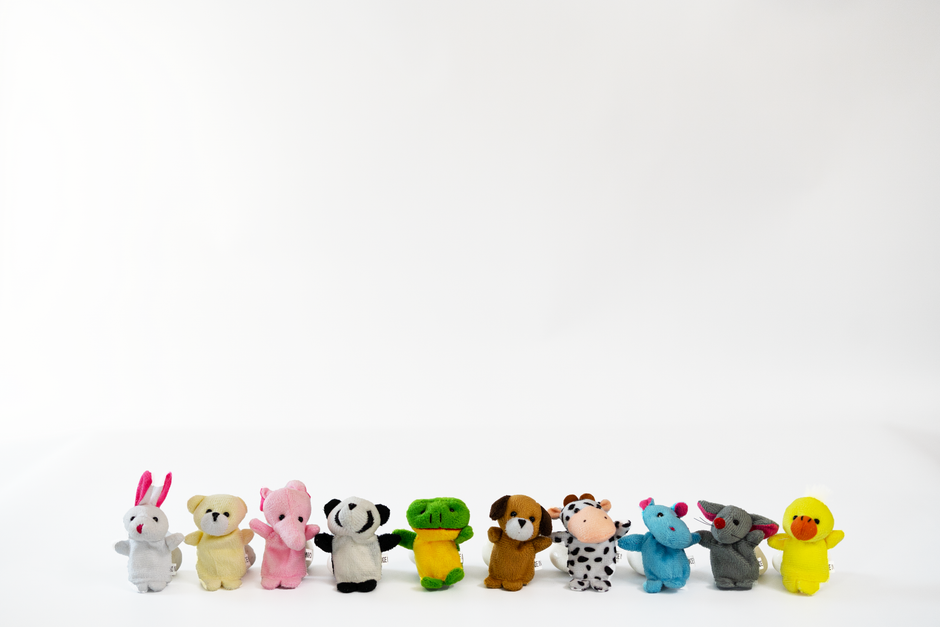
The best storage choice depends on access, size, and cleanup speed. Storage that looks attractive but requires adult help for every item will fail during ordinary family life. Use open containers for daily toys and closed containers for rotation, messy craft supplies, or small pieces that need supervision.
| Storage option | Useful specification | Best use | Verdict |
|---|---|---|---|
| IKEA KALLAX 2×2 | About 30 3/8 inches square and 15 3/8 inches deep | Large labeled bins, books, puzzles, and display baskets | Best for a permanent wall of broad categories |
| IKEA TROFAST frame | Common frame size is about 17 3/8 by 11 3/4 by 35 7/8 inches | Low, reachable bins for cars, blocks, figures, and art supplies | Best for young children who need visual access |
| Sterilite 6.2-gallon storage box | Compact lidded box; measure the exact model before stacking | Toy rotation, seasonal items, and collections with many small parts | Best for reducing the active toy count |
| LEGO Storage Brick Box | Stackable brick-shaped container with a wide opening | LEGO bricks and building sets kept in one collection | Best for one specific hobby, not the whole room |
Choose open bins for the toys used every day
Children should be able to see and carry daily toys without lifting a heavy lid or opening a complicated drawer. Assign one category per container: magnetic tiles, dolls, vehicles, animals, or dress-up pieces. Use picture labels for preschoolers and word labels for readers. Leave around 20 percent of each bin empty so cleanup does not require force.
Use closed storage for rotation, not punishment
A lidded box works well for duplicate toys, holiday sets, and items that create too much visual noise. Store only a few boxes outside the playroom and rotate them every two to four weeks. The practical winner is the system that allows one child to restore the room in under five minutes, so choose fewer, larger categories instead of dozens of tiny bins.
The 45-Minute Decluttering Method That Prevents Arguments
Do not announce an all-day cleanup. Children hear that as a threat, then protect every object. Use a short, visible process with a clear finish line. One adult can make the first decisions, while children help with ownership questions and the final reset.
Follow this sequence
- Set a 10-minute timer. Remove trash, food wrappers, broken plastic, and anything that belongs in another room.
- Make a 15-minute keep sort. Group similar toys on the floor instead of putting them away immediately. Large groups reveal duplicates quickly.
- Take a five-minute break. Offer water or a snack. Do not discuss donations during the break.
- Run a 10-minute release check. Ask which toys are missing pieces, too young, too difficult, or never chosen. Keep the questions neutral and specific.
- Use the final five minutes for storage. Put the most-used categories at child height and move rotation boxes out of sight.
Give children limited choices
Instead of asking, “Do you want to get rid of this?” ask, “Should this stay in the playroom or go to the review box?” That question protects the child’s sense of control while keeping the adult responsible for the room’s capacity. Let the child choose the label color, the first bin to fill, or the location of a favorite collection.
Stop before the child reaches overload
Crying, hiding, bargaining over every object, or repeatedly leaving the room means the session has gone too long. Stop after the current category, take a photograph of the remaining piles, and continue another day. A partial reset that gets repeated is more useful than one dramatic cleanup that makes the playroom feel unsafe. Never use a favorite toy as a threat or remove belongings during anger; that turns organization into a power struggle.
Playroom Decluttering Questions Parents Ask
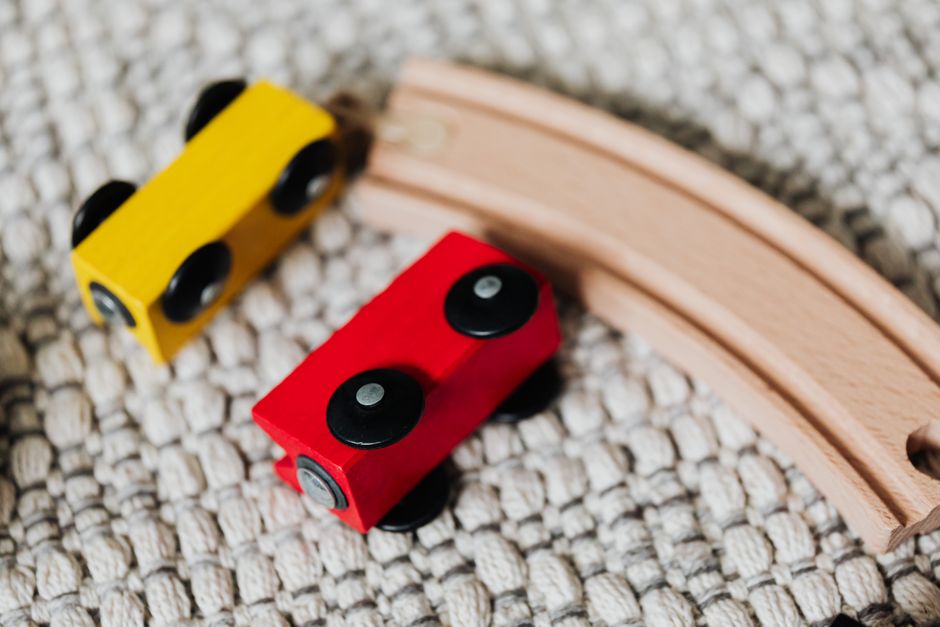
How many toys should stay out?
Keep enough for the child’s main forms of play, but not every possession. A useful starting point is three to five open categories, such as building, pretend play, vehicles, art, and books. If a child cannot return one category without mixing it with three others, the active collection is too large. Reduce the number before buying more furniture.
What should happen to gifts the child never uses?
Move the gift to the review box instead of forcing daily access. Give the child a calm chance to choose it during the 30-day review period. If the item remains untouched, an adult can release it while preserving the relationship with the giver through a simple thank-you. The best rule is that a gift deserves gratitude, but it does not automatically deserve permanent floor space.
How can siblings share one playroom?
Give each child one personal container for private collections, then create shared zones for common toys. Mark boundaries with labels or shelf sections rather than tape across the floor. When ownership is unclear, place the item in a shared category and set a short turn-taking rule. For siblings with a large age gap, keep choking hazards and fragile pieces in an adult-controlled area.
When You Should Not Buy More Playroom Storage
Do not buy another organizer if the floor is full because the family has not chosen what the room is for. First remove unsafe, broken, duplicate, and outgrown items; then test the remaining collection in temporary baskets for one week. If the same category repeatedly spills, buy one correctly sized container for that category, not a complete furniture set.
Skip storage furniture when the layout is the real problem
A tall unit is a poor choice beside a climbing route, doorway, heater, or window, and every freestanding piece must be secured according to its manufacturer’s instructions. If children cannot reach the shelves safely, use lower furniture or move the category to an adult-managed room. A smaller, stable unit beats a larger system that creates tipping risks and blocked paths.
Choose rotation when volume is the real problem
If the room still overflows after sorting, keep only the best-used toys available and store the rest elsewhere for a fixed rotation. Buy more storage only after the family has maintained the current setup for two weeks; that test shows the actual capacity needed and prevents an expensive cycle of adding bins to hold items nobody plays with.